Best Museums and Galleries in Delhi 2026

Delhi has no shortage of museums and galleries with some of the best exhibits in India. And just like Delhi, the museums are an eclectic mix.
But which ones are the best? I live in Delhi and have visited them all. From the stately and traditional to the contemporary and quirky, these are the best museums and galleries in Delhi.
Best Museums and Galleries in Delhi
I think these are the 3 very best museums in Delhi:
- Pradhanmantri Sangrahalaya: newer museum focusing on recent Indian history through its Prime Ministers
- National Rail Museum: set up like a railway yard and a great spot for whole families
- Museo Camera: dedicated to the history of photography; very well put together
Delhi has wonderful museums and galleries, many of which are free. Here’s the best:
1. National Museum
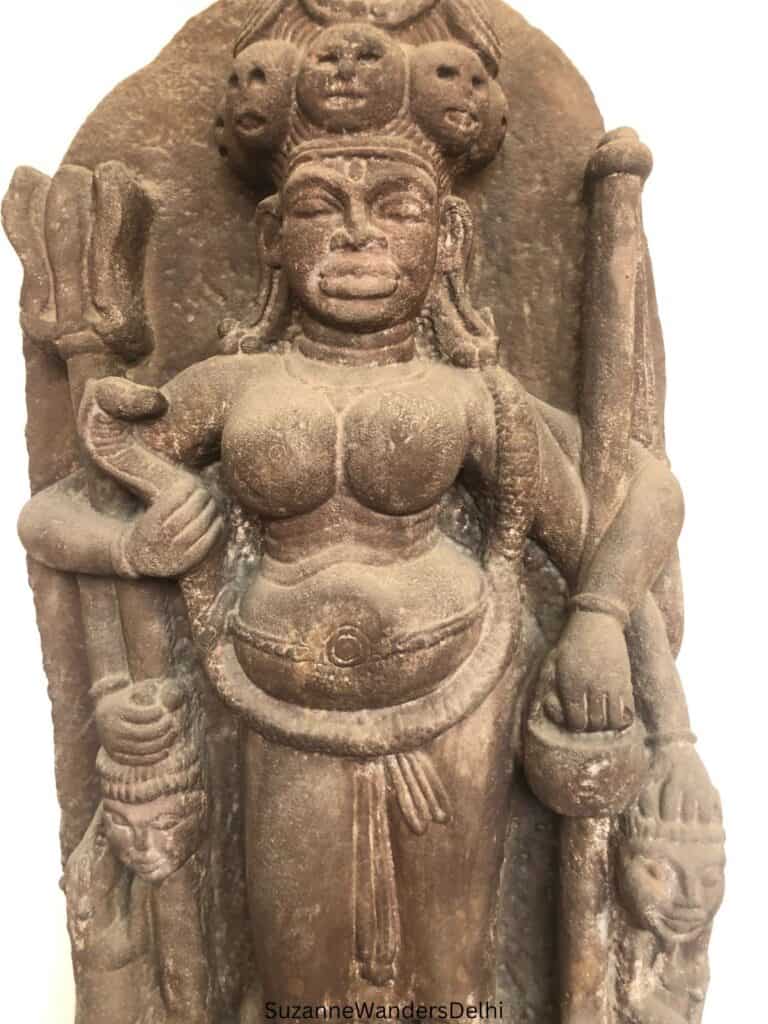
Delhi’s National Museum may not compare to the top museums of the world (the best artefacts were removed by the British during the Raj), but it’s still one of the best museums and galleries in Delhi.
The museum has some very rare and unique collections, including one of the world’s best collectiosn of Indus Vally antiquities and 20 bone fragments from the Buddha. This has turned the Buddhist Art Section into a pilgrimage site.
This section is set apart from the rest of the museum, and feels more like a temple. The last time I visited there was a Buddhist monk praying in front of the relics.
2. National Gallery of Modern Art
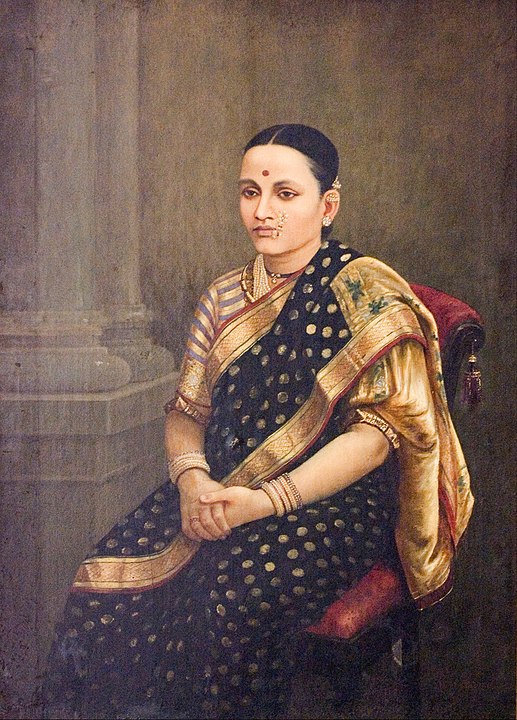
This gallery is a must see for anyone interested in Indian art. There are wonderful collections of miniature paintings, works from Nobel prize laureate Rabindranath Tagore and Indian abstract art. The gallery also has a sculpture garden.
Special exhibitions are hosted at Jaipur House, the former residence of the Maharaja in Delhi. It is adjacent to the main gallery building and admission is included in the price of the ticket.
3. National Gandhi Museum and Library
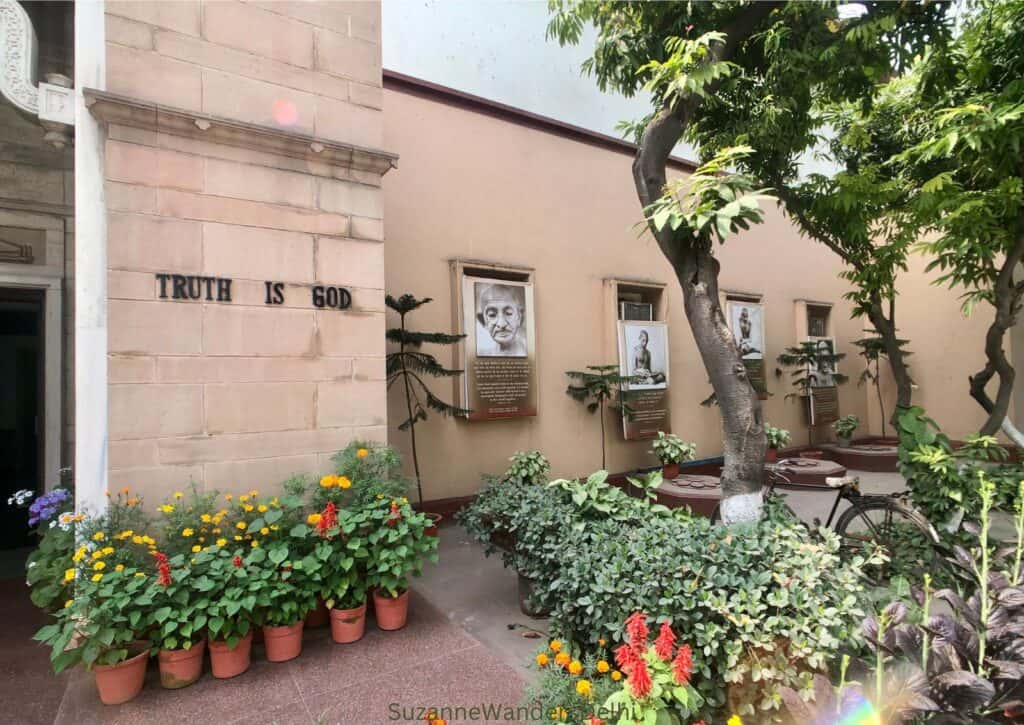
The National Gandhi Museum and Library has an impressive and moving collection of Mahatma Gandhi’s personal items. Most of the items were collected immediately following his assassination.
Gandhi is still considered the father of the nation and is revered across India. His birthday, October 2nd, is a national holiday, his face is on the currency and his portrait still hangs in government offices.
The museum strives to bring his message of truth and non-violence to everyone and is one of the best museums and galleries in Delhi.
Unlike many museums, this one was funded by thousands of small donations from Gandhi’s devoted followers, many of whom earn very little.
4. Indira Gandhi Memorial Museum
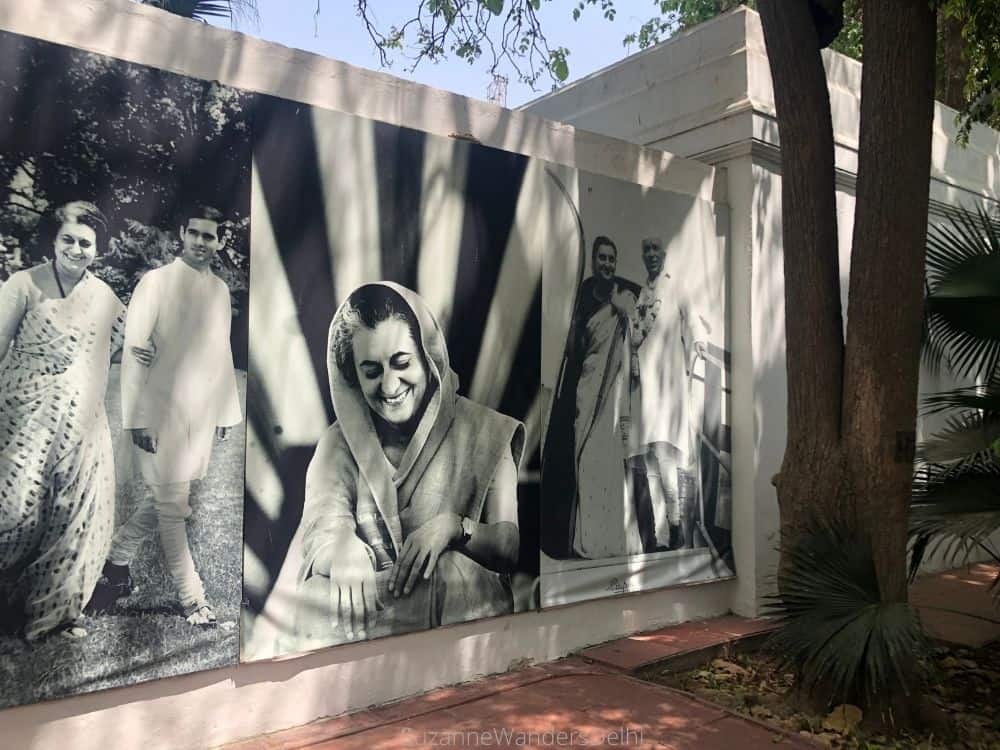
The Indira Gandhi Memorial Museum is the former family home and place of assassination of Prime Minister Indira Gandhi. To date, she remains India’s only female prime minister.
The museum has an extensive collection of photographs, media clips and personal objects, including the blood stained sari she was wearing when assassinated.
She was a beloved and sometimes reviled leader, often referred to as India’s Iron Lady. Her assassination in 1984 triggered anti-Sikh riots which killed more than 3,000 Sikhs in Delhi alone.
5. Rashtrapati Bhavan Museum
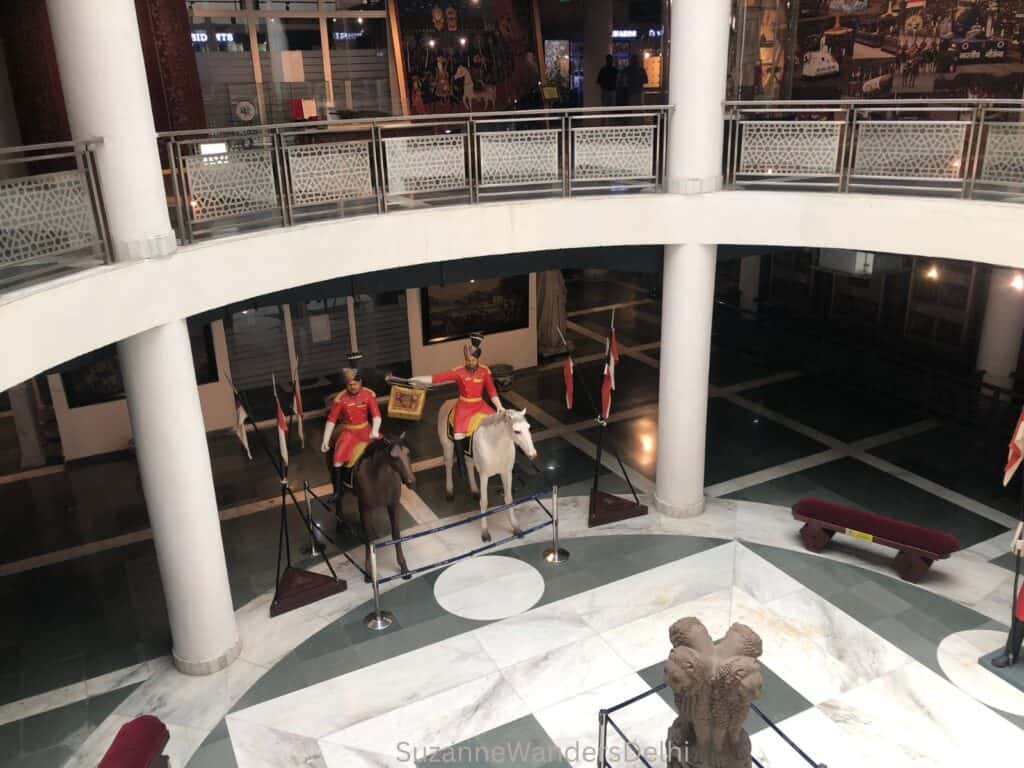
This is the museum located at Rashtrapati Bhavan, home of the President of India. Rashtrapati Bhavan was built by Edwin Lutyens in 1929 for the British Viceroy to India.
The museum is partially housed in the former garage and horse stables, but the majority of the museum is below ground in order to maintain these heritage structures.
There are wonderful paintings depicting the history of the British Raj in India and Edwin Lutyens’ original sketches. The museum is surprisingly modern (it was opened in 2016), and uses a variety of virtual media to tell the story and history of Rashtrapati Bhavan.
Tickets must be booked in advance through the Rashtrapati Bhavan website.
6. Pradhanmantri Sangrahalaya (Prime Ministers Museum)
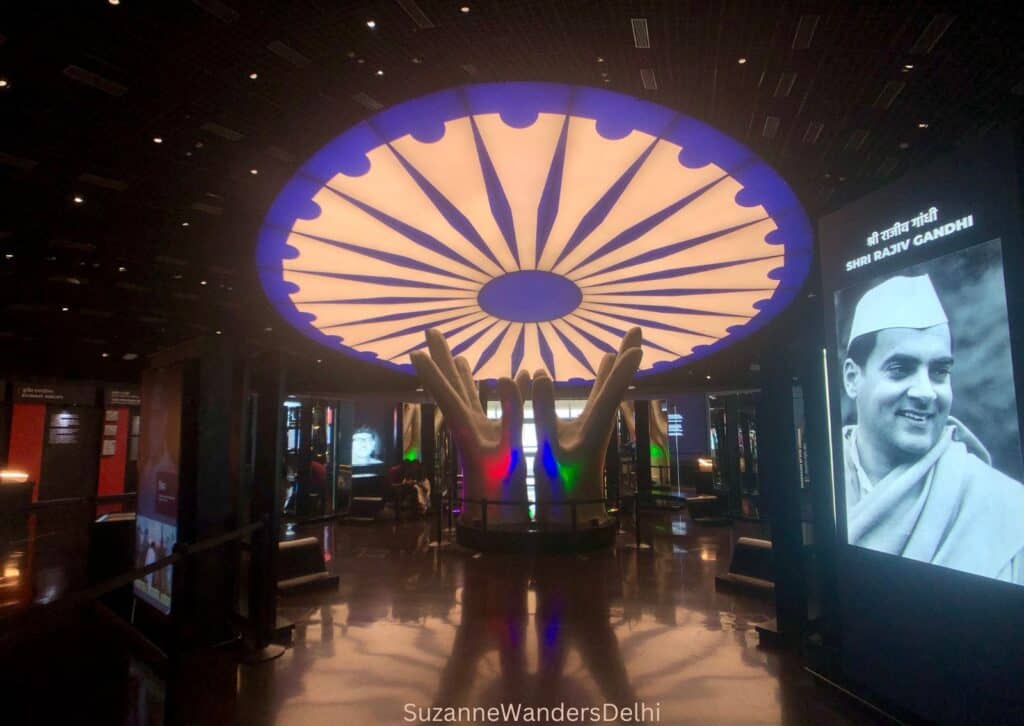
Delhi’s newest museum is a tribute to its prime ministers since independence in 1947.
It is essentially two museums in one. It includes what used to be the Nehru Memorial Museum and Library – the former home of India’s first prime minister, Jawaharlal Nehru.
The building that was the Nehru Memorial Museum and Library has been extensively updated. The first level is completely new, but the second level is as it was. It still displays Nehru’s personal things and the rooms he lived in with his family.
When the Nehru Memorial Museum and Library officially became part of Pradhanmantri Sangrahalaya it created some controversy.
Some felt the creation of a separate museum to honour all prime ministers was an attempt to dilute the contribution and importance of Jawaharlal Nehru as India’s first prime minister. The Gandhi family (still very active politically and direct descendants of Jawarharlal Nehru) refused to attend the opening.
The new section, housed in a modern building, is phenomenal and one of the very best museums and galleries in Delhi. It is a very in-depth look at recent Indian history.
Walking through the museum is an amazing lesson in Indian history and politics – it’s impressive. This museum has a lot, and you could easily spend half a day or more here.
7. National Crafts Museum & Hastkala Academy
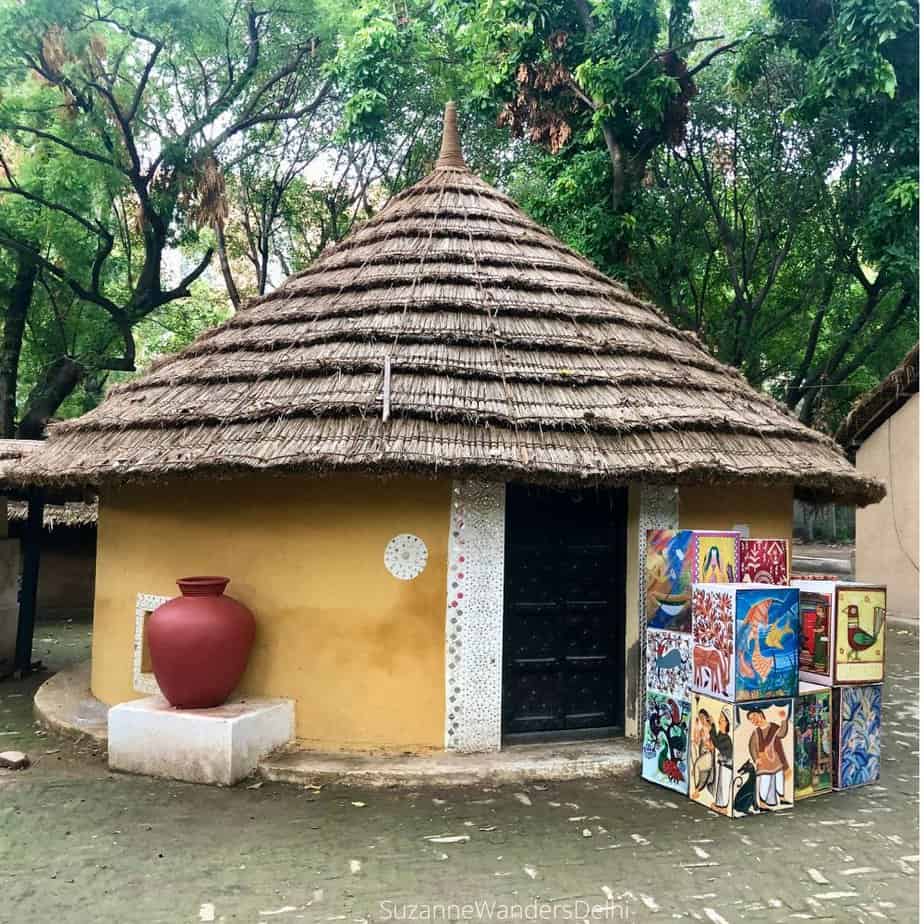
Sometimes called India’s most inspiring museum, this little gem is often overlooked by visitors. The museum resembles a village as opposed to a formal gallery. It’s also one of the best museums and galleries in Delhi for children.
It displays traditional crafts and art from across India and hosts a constantly changing group of artisans, most of whom would otherwise be ignored.
There is an impressive outdoor village complex with replicas of dwellings, courtyards and shrines from different parts of India, built with regional materials.
The museum has a very good shop where you can buy traditional crafts at reasonable prices, and one of the best cafes in Delhi, Lota Cafe.
8. Gandhi Smriti Museum
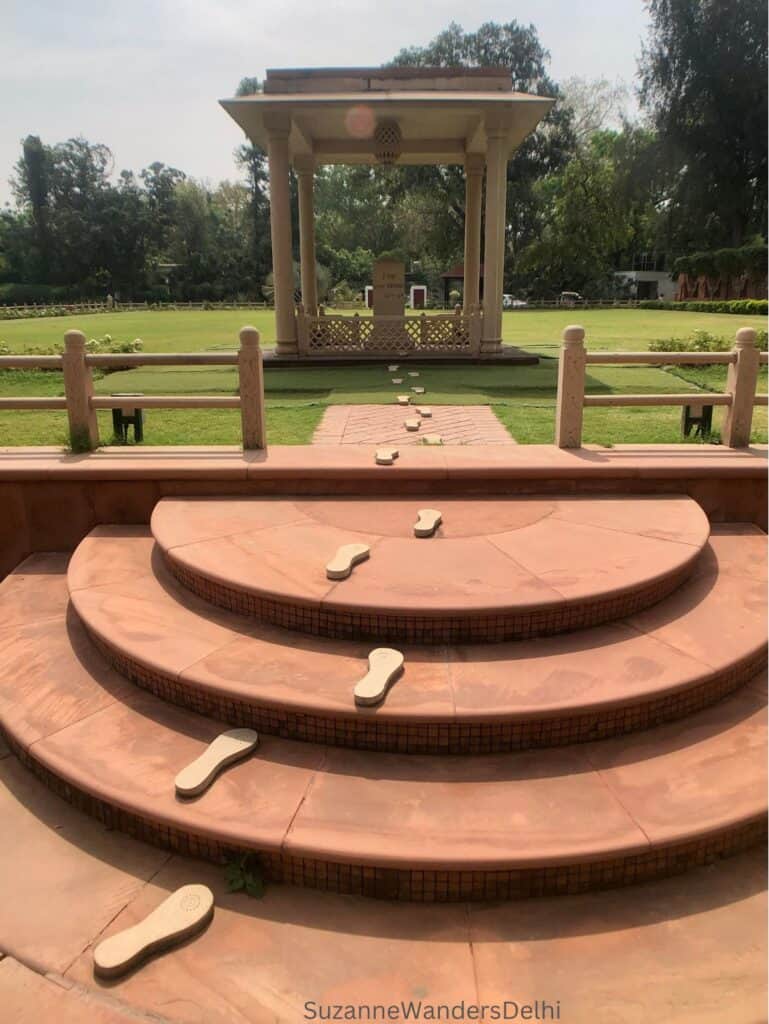
Gandhi Smriti Museum is in the house Mahatma Gandhi stayed at during the last months of his life. At the time it was owned by the Birla family and was known as Birla House.
After Gandhi’s assassination, Jawarhalal Nehru (India’s prime minister) asked the Birla family to turn part of the home into a memorial. Eventually the family sold the house to the government, and in 1973 it was opened to the public.
The room Gandhi stayed in has been carefully preserved, even with Gandhi’s spectacles. Visitors can tour the grounds and literally walk in Gandhi’s last footsteps to Martyr’s Column, where he was assassinated on January 30, 1948.
Gandhi Smriti at Raj Ghat is Gandhi’s memorial, and where he was cremated – make sure you specify Gandhi Smriti Museum when searching on Google maps – they are two different Gandhi monuments and at completely different locations.
9. Kiran Nadar Museum Of Art
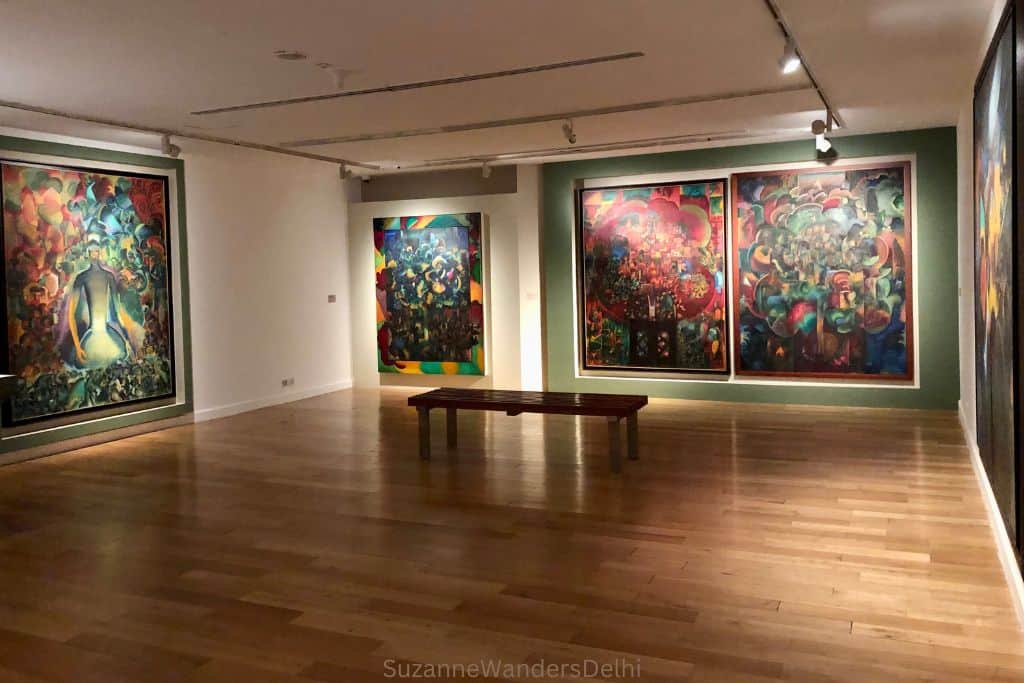
The Kiran Nadar Museum of Art is a private museum exhibiting modern and contemporary Indian art.
It is a premiere art museum and one of the best museums and galleries in Delhi. The last time I was there I saw Caravaggio’s Mary Magdalene in Ecstasy.
It’s the brain child of art collector Kiran Nader who started the museum because her collection was too large for her home, and she wanted to bring this genre of art to the Indian public.
The museum currently has over 8,000 pieces, with a focus on contemporary Indian painters (post independence). It hosts a variety of changing exhibits.
10. National Science Centre
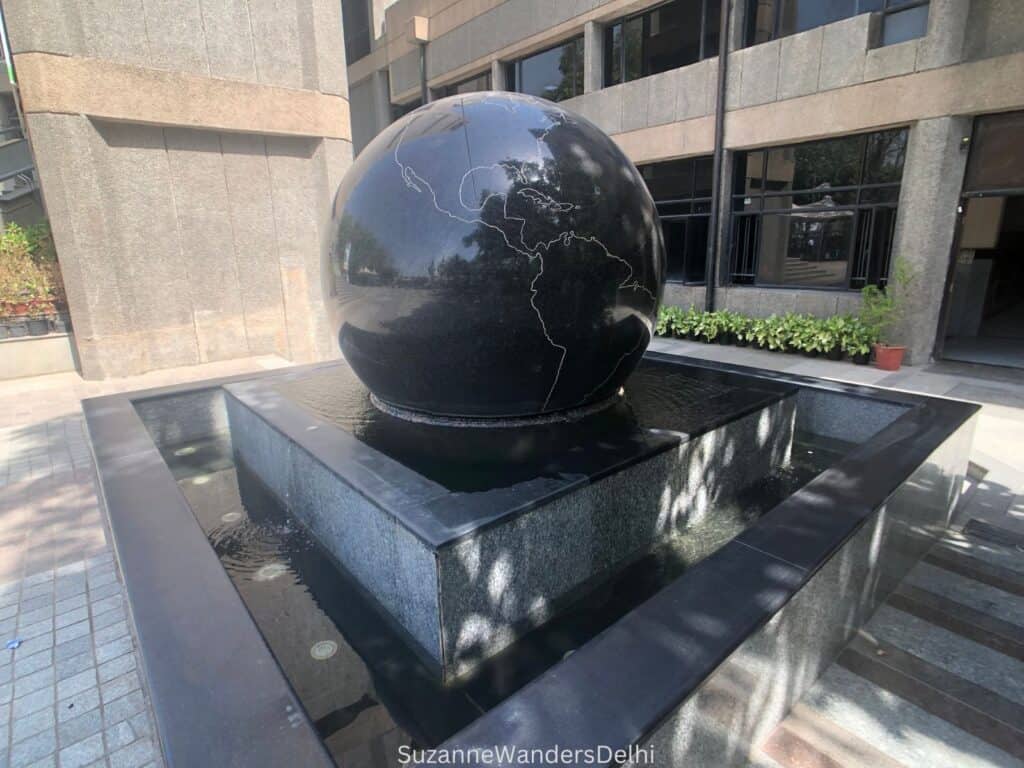
Delhi’s National Science Centre is one of the largest science centres in Asia and one of the best museums and galleries in Delhi. Its goal is to educate through entertainment, and I think it does a pretty good job.
There are exhibitions on nuclear power, human biology, pre-historic life, emerging technology and water as well as Indian themed exhibits such as India’s role in science and technology.
A whole gallery is devoted to Sardar Patel, an important figure in India’s independence.
11. Sangeet Natak Akademi
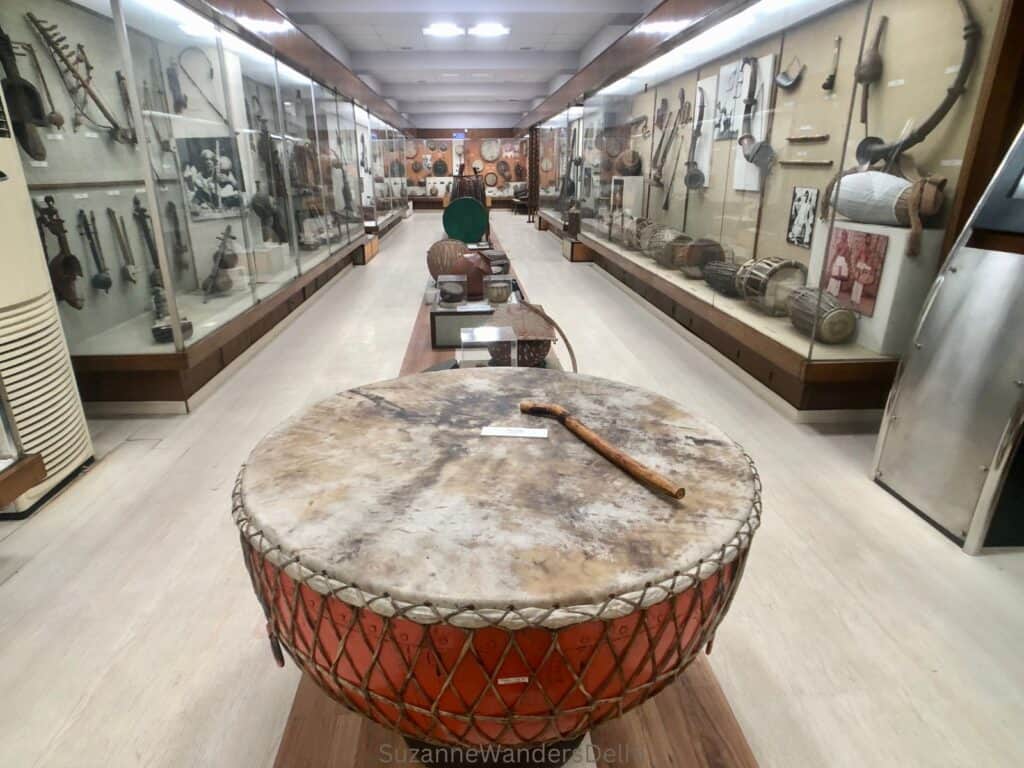
Sangeet Natak Akademi is India’s national academy of music, dance and drama. They have an impressive collection of folk and tribal instruments on permanent display which includes traditional and rare wind, string, tabla and percussion instruments from all over India.
The academy also exhibits a collection of masks and puppets, including string puppets, glove puppets and shadow puppets. It’s located in Rabindra Bhawan, near Mandi House.
12. DAG (Delhi Art Gallery)
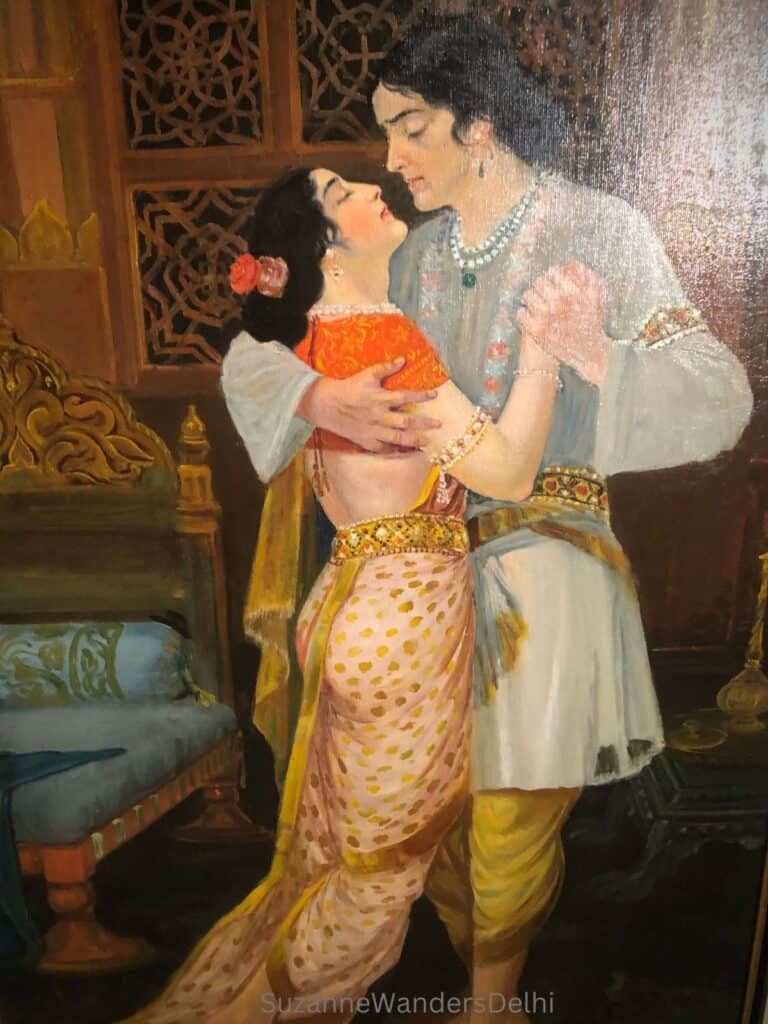
This is India’s premiere art gallery for 18th to 20th century Indian art and one of the very best museums and galleries in Delhi. DAG is often referred to as the crown jewel of the Indian art scene and a must for serious art lovers.
From the beginning DAG has operated more as an art institution, amassing a large inventory of works by Indian artists. It regularly collaborates with other museums and cultural institutions across India as well as internationally.
13. Indian Air Force Museum
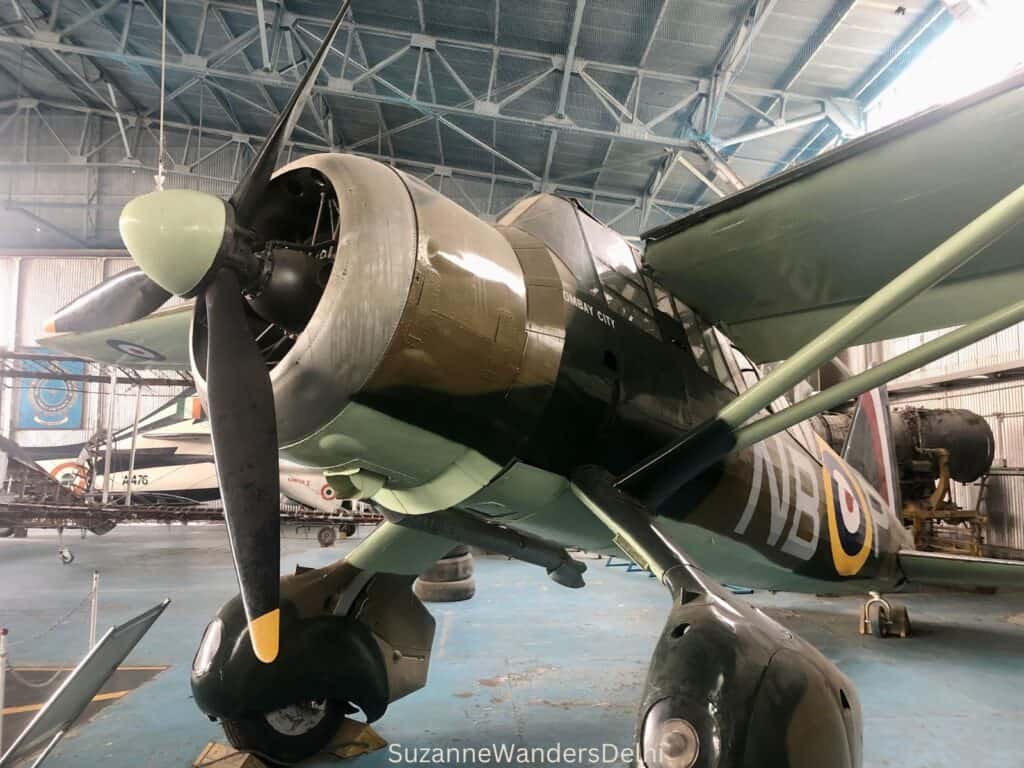
This is a pretty cool museum for aviation and air force enthusiasts located at Palam Air Force Station. It’s surprisingly well done and informative and one of the best museums and galleries in Delhi for families.
There are more than 37 aircraft on display outdoors and in a hangar. The collection includes vintage jets, helicopters, airplanes and remnants of crashed Pakistani jets from the 1972 India Pakistan war. There’s also anti-aircraft guns, ordnance, vehicles and radar equipment.
14. Museum of Illusions
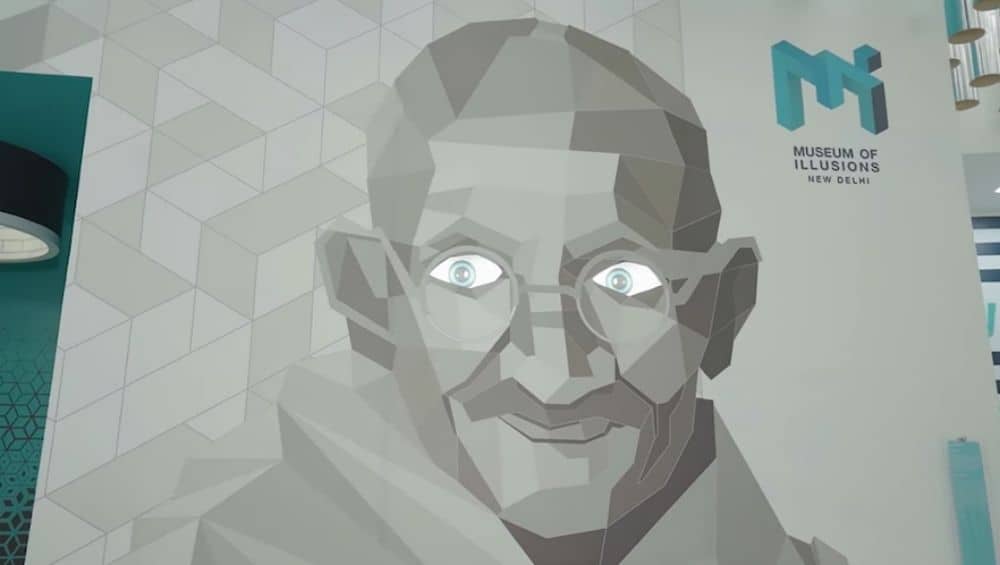
This is a great family museum. Kids will love the mind bending and fun illusions that let them climb a wall like Spiderman and lift an auto rickshaw. The installations are based on mirrors, holograms, colours and sound, using science to trick the brain.
To avoid the crowds and lineups, go during the week and in the morning if possible. Buy tickets in advance online on Museum of Illusions website so you don’t need to queue up.
Don’t book the last timed slot of the day as staff may try to rush you through the exhibits.
15. Sulabh International Museum of Toilets
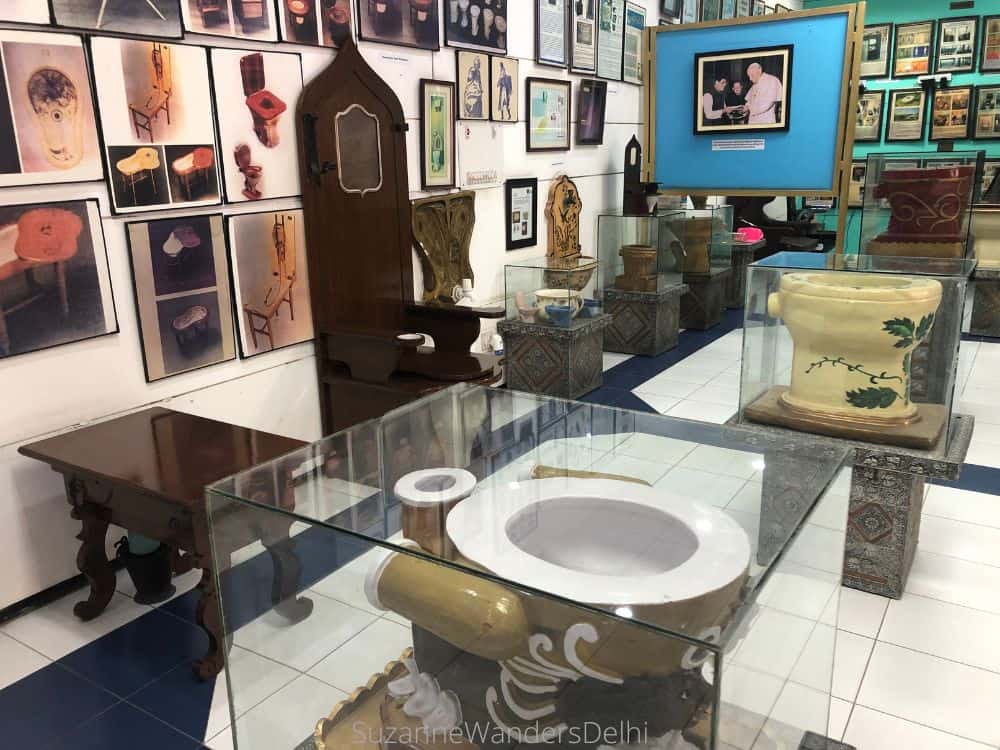
As quirky as this museum sounds, it has a mission to highlight and tackles a very real health problem in India.
The museum chronicles the history of the toilet from 2500 BC through a bizarre and rare collection of objects, photos and information. But it also acts as a means to educate the public and policy makers about the right and need of sanitation for all.
The museum is the brainchild of social reformer Dr. Bindeshwar Pathak, the founder of Sulabh Sanitation Movement.
Dr. Pathak worked extensively to remove the social stigma attached to the Dalit caste (the ‘untouchables’) and make toilets accessible to all through low cost toilet technology and self sustaining sanitation systems.
16. Shankar’s International Dolls Museum
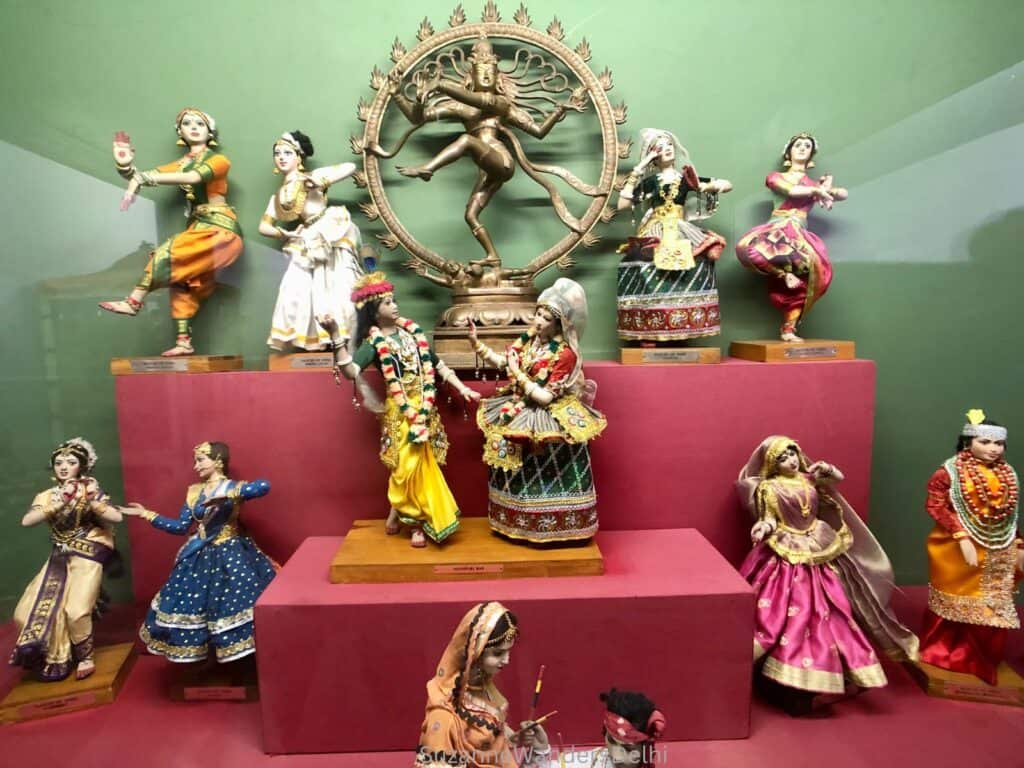
Often referred to as the United Nations of Dolls, this museum has one of the largest collections of dolls internationally. Currently it has over 7,000 dolls from more than 85 countries.
The museum was set up by Shankar Pillai who was a political cartoonist. In the 1950s he received a gift of a doll from the Hungarian Ambassador and was so impressed by the doll, he was inspired to begin collecting dolls from all over the world.
Eventually Indira Gandhi (former Prime Minister of India) suggested a dolls museum to safely house the growing collection.
17. National Rail Museum
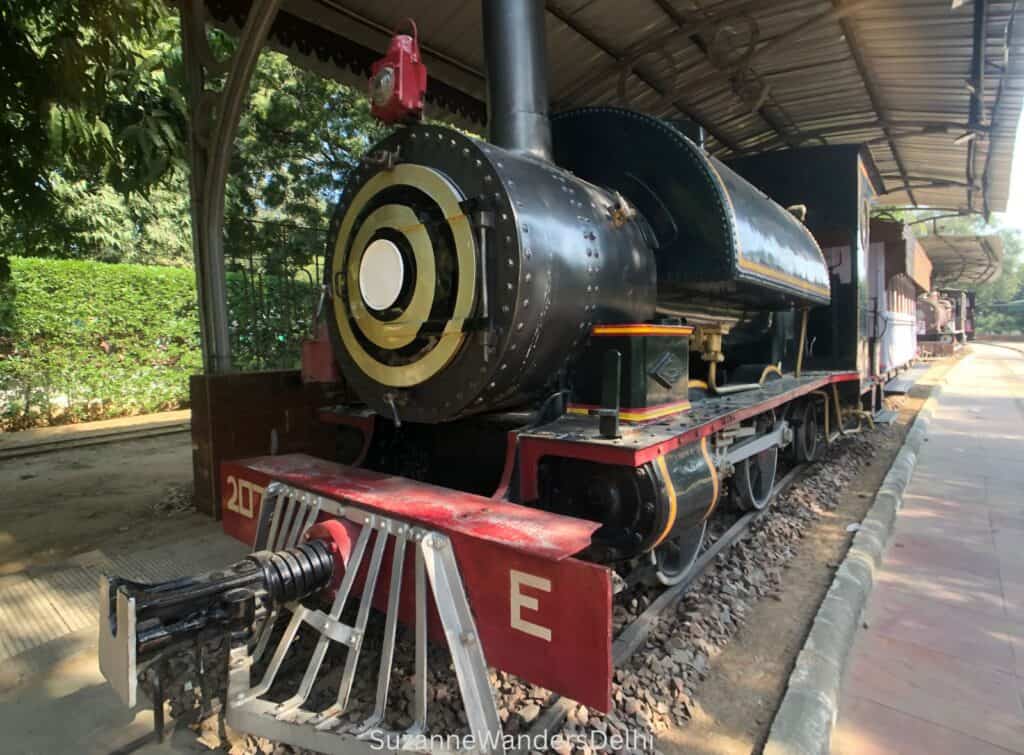
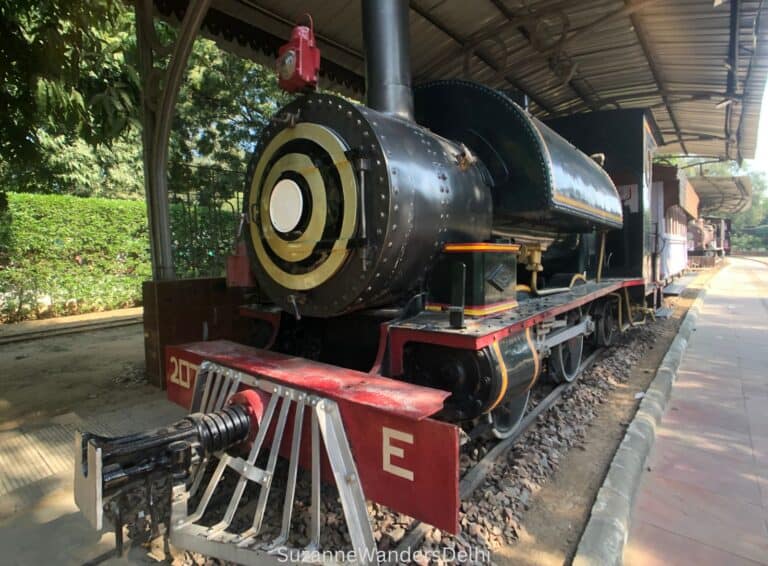
The National Rail Museum is a great museum for families. The grounds resemble a railway yard with an extensive collection of locomotives and historic carriages. There’s even a wheelhouse and Joy Train ride.
The museum has a large exhibit on the development of India Railways, which today is the second largest employer in India after the Indian Armed Forces.
The Rails restaurant at the museum is a replica of the famous Mumbai train station, Chhatrapati Shivaji Terminus. There is even a steam locomotive that chugs around the tables. This is one of the best museums and galleries in Delhi for children.
18. Metro Museum
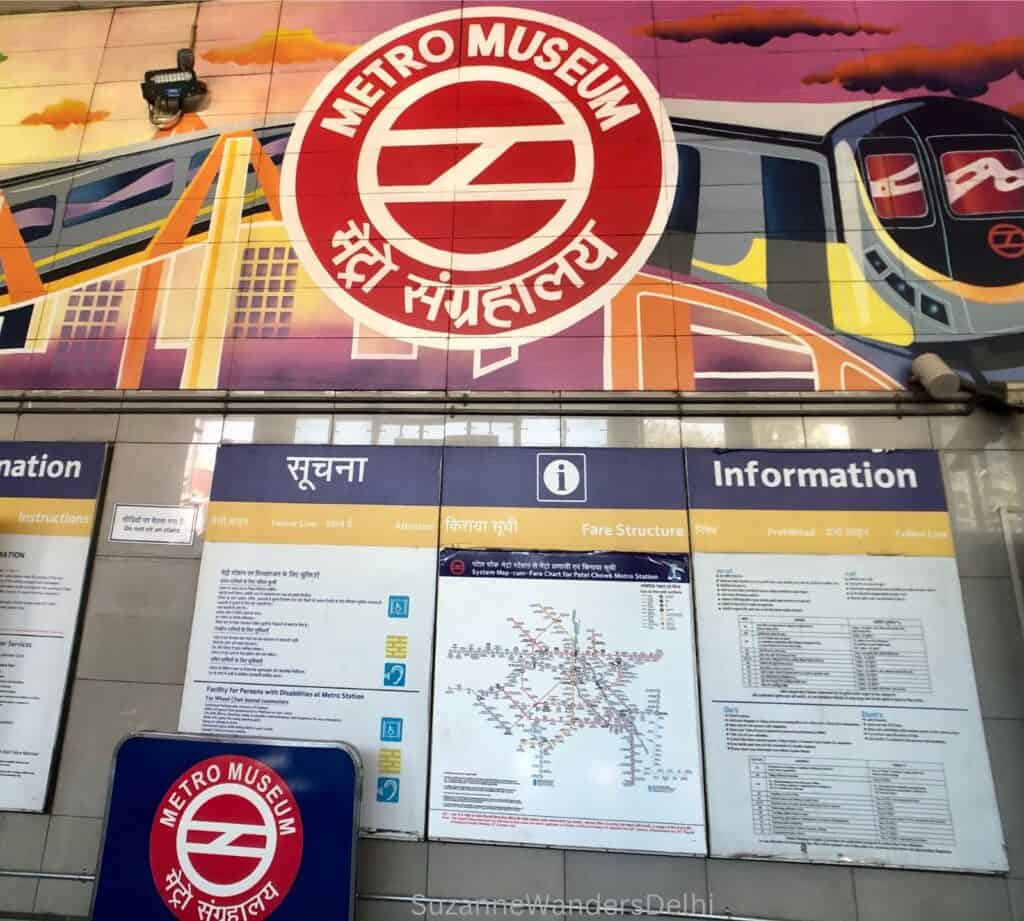
Delhi’s Metro Museum was the first metro museum in South East Asia. It’s located right in the Patel Chowk metro station and while I’m not sure it warrants a special trip on its own, it’s definitely worth seeing if you’re traveling on the Yellow metro line.
The museum does a great job showcasing the difficulties in construction and the challenges of managing one of the largest metro systems in the world.
The museum is not only an attraction, but also part of the official training program of Delhi Metro Rail Corporation. Engineers, operations staff and researchers involved with other international metro systems visit the museum.
19. National Philatelic Museum
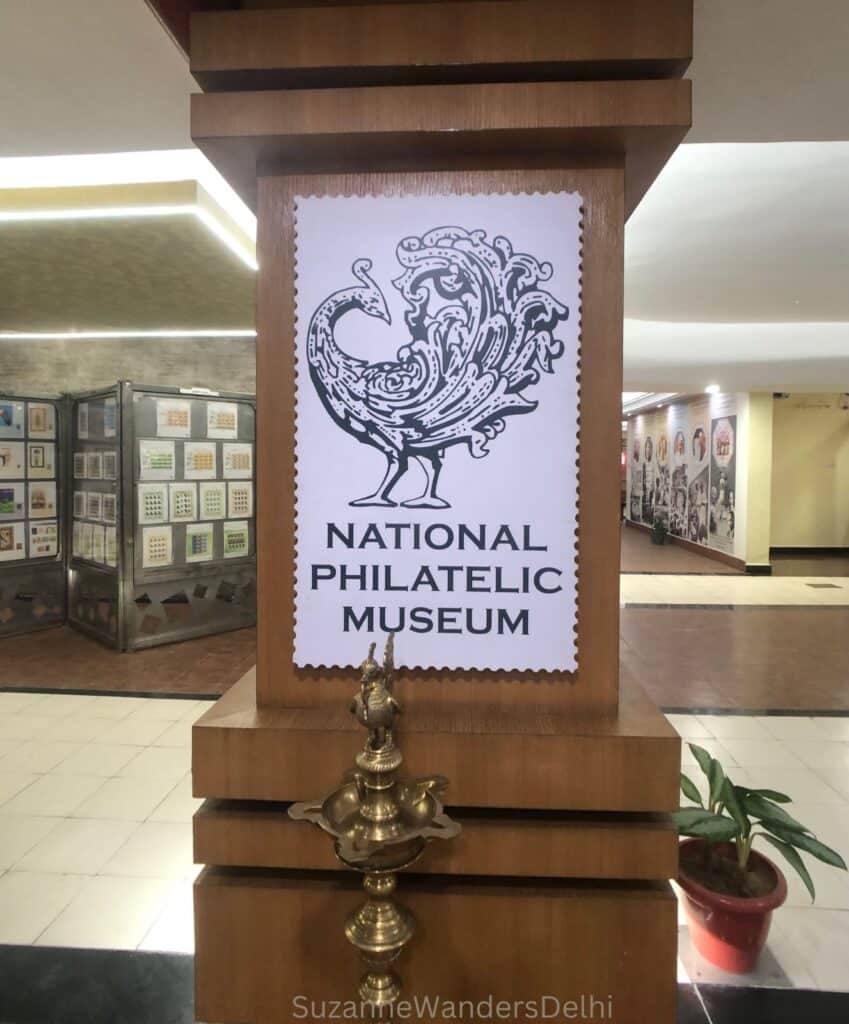
Located in the Dak Bhavan (central Post Office) building, the National Philatelic Museum has an extensive collection of Indian and international stamps.
The Indian stamp collection is especially interesting. It traces the history of the country starting with the first stamps issued in 1854, through pre-independence including stamps issued by the former princely states and the Raj, and then post independence.
If you have a magnifying glass you may want to bring it – stamps are generally tiny, and there are thousands of them here.
20. Museo Camera
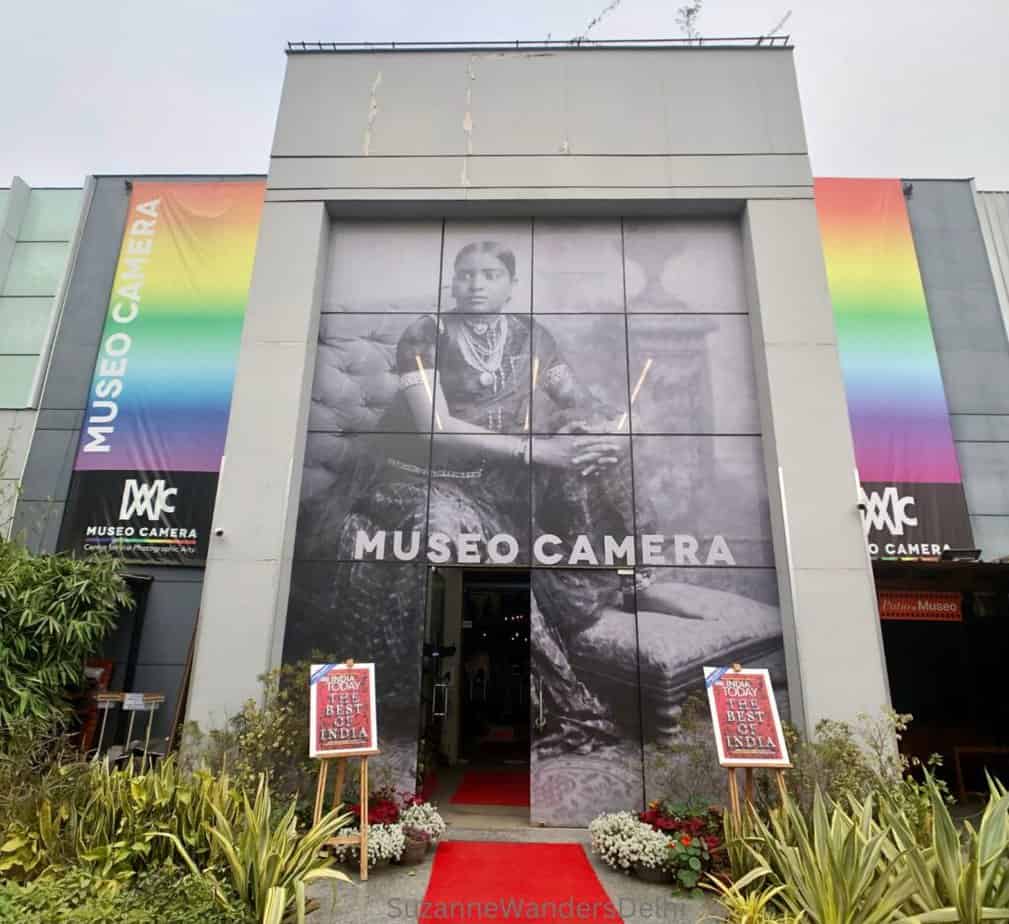
This is definitely one of the coolest and most well put together museums in Delhi. It’s actually located in Gurugram, a suburb south west of Delhi but easily accessible by metro or car.
Aditya Arya started the museum from his private collection, and today it is the largest not-for-profit crowd funded museum in South East Asia.
It’s a one of a kind museum dedicated to the art of photography. The collection is impressive in scope and presentation.
The permanent collection contains over 3000 objects including cameras, equipment and photographic ephemera, spanning the history of photography for more than 200 years. Museo Camera hosts visiting exhibits constantly. When I visited there was a wonderful Robert Capa exhibit.
21. Partition Museum
The museum is an absolute must for anyone wishing to understand India and its people. Partition was the most defining and catastrophic moment in recent Indian history.
On August 14, 1947, two states of India were divided to become the Dominion of Pakistan, which at that time comprised of Pakistan and Bangladesh. The very next day India gained formal independence from Britain.
The new borders were hastily created by Sir Cyril Radcliffe who had never even been to India before. Boundaries were drawn up mostly on religious divisions, and the results were devastating on both sides.
It was one of the largest and most violent exchanges of population in history. Hindus migrated to India and Muslims to Pakistan, creating millions of refugees in both countries.
Over one million people perished. To this day there remains distrust and hostility between the two countries.
Tickets are issued by a registration and token system on the Partition Museum website. It’s located on the Ambedkar University grounds.
Last Words on the Best Museums and Galleries in Delhi
As the nation’s capital, Delhi has the best art in India on display, and many of the galleries and museums have free admission. So get out and explore Delhi’s cultural side.
Whether you prefer something traditional like the National Museum of Delhi, or something quirky like the Sulabh Museum of Toilets, these are the best museums and galleries to visit in Delhi.