3 Days in Delhi: A Delhi Specialist’s Itinerary

So, you’ve got 3 days in Delhi and you’re wondering how on earth you’re going to manage. Delhi tends to create equal parts panic and excitement in visitors.
Yes, the city is chaotic, noisy and crowded – but it is also extremely historic, and one of the greenest capital cities in the world. That is the Delhi I am going to introduce you to.
Delhi is my specialty – few expats know the city as well as I do. Follow this itinerary and you will have an excellent 3 days in Delhi.
3 Days in Delhi Itinerary
This itinerary is purposely structured to save you time and let you acclimate to Delhi. You will not be able to see everything in 3 days, but you will get a very good overview.
I’ll also give you practical information on getting around Delhi, when to visit, what to wear and staying healthy.
- Day 1: Humayun’s Tomb, Lodhi Garden, Lodhi Art District, Khan Market, India Gate, Agrasen ki Baoli, Gurudwara Bangla Sahib, Connaught Place
- Day 2: Red Fort, Chandni Chowk, Spice Market, Jama Masjid, Raj Ghat
- Day 3: Qutub Minar, Mehrauli Archeological Park, Bahai Lotus Temple, Dilli Haat
You can buy tickets on the ASI website for sites managed by the Archeological Survey of India, including Jantar Mantar, Qutub Minar, Red Fort and Humayun’s Tomb. They are INR 50 cheaper online and you won’t have to line up to buy a ticket.
Where to Stay in Delhi
The best areas to stay are South Delhi or Central Delhi up to Connaught Place. These are the safest and nicest parts of the city, close to the main sites. I highly recommend these hotels:
- The Imperial (luxury): Delhi’s finest heritage hotel and my personal favourite. Superb location on Janpath, within walking distance of numerous shops, restaurants and attractions.
- Lutyens Bungalow (mid-range): Heritage boutique property in one of the best areas of the city next to Lodhi Garden. Fantastic location near many sites. Breakfast is included.
- Prakash Kutir Bed & Breakfast (budget): Family run guest house in a very good area of South Delhi, near the metro and easy to visit all the sites. Home-cooked breakfast is included.
For more information and options, see my full guide on where to stay in Delhi.
Day 1: Lutyens’ Delhi (New Delhi)
Your first day will be busy, but you’ll cover some of Delhi’s most important sites and a hidden gem. These are good sites for first-time visitors, what I consider a soft landing
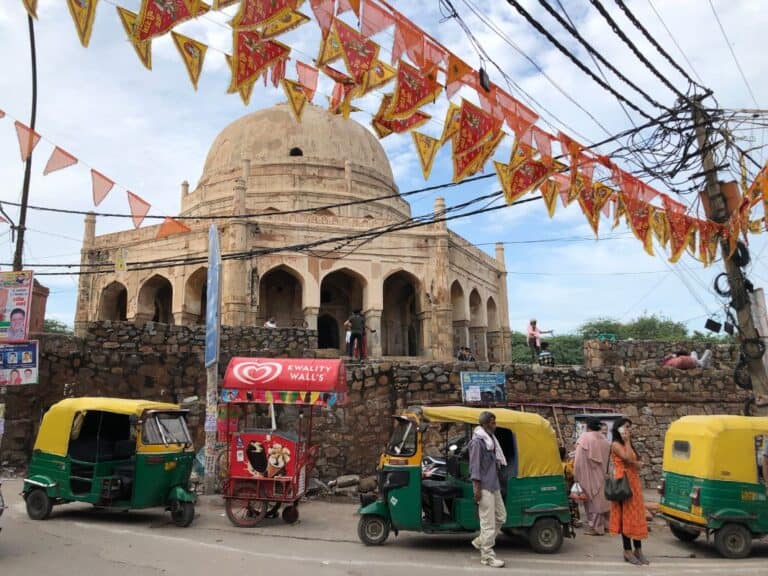
Depending on where you’re staying, take an Uber or auto rickshaw to Humayun’s Tomb (the first site), and then use auto rickshaws to get from place to place.
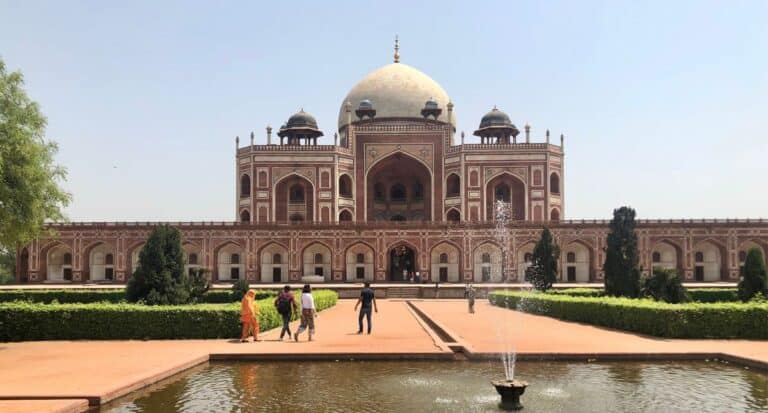
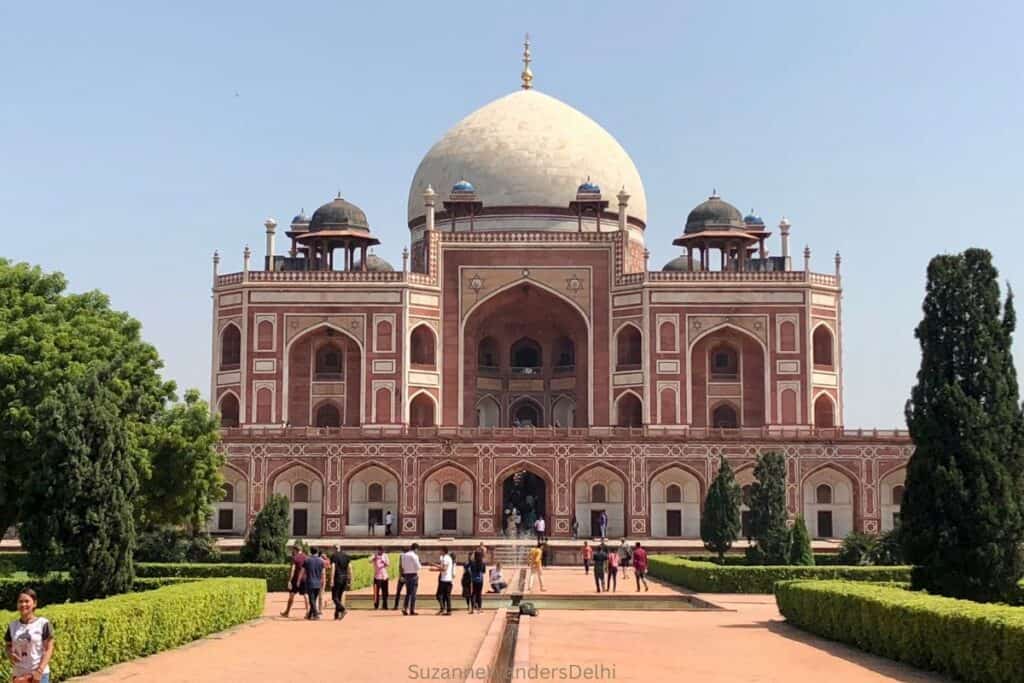
- Humayun’s Tomb (UNESCO): The first garden tomb built in India, completed in 1572. Besides Humayun’s tomb, there are other well preserved mausoleums, Persian gardens and graves of Mughal royals. Tickets INR 600, open sunrise to sunset. I suggest going for 8 am and buying tickets online (as noted above).
- Lodhi Garden: Beautiful heritage park with well preserved ruins from Lodhi and Sayyid empires. It is in the heart of Lutyens’ Delhi, the nicest part of the city. An absolute must-see. See my full guide to Lodhi Garden here. Free.
- Lodhi Art District (Lodhi Colony): Quaint British built residential enclave with over 50 huge murals addressing social and environmental issues. You can walk here from Lodhi Garden, it’s across the street. Most of the murals are located between Jorbagh Road, Meharchand Market, Second Ave and Fifth Road. Free.
- Lunch at Lodhi Colony or Khan Market: Lodhi Colony has some great restaurants such as Guppy, Carnatic Cafe and Tres. These are favourite spots for expats and locals, but most tourists don’t know about them. Another option is to head to Khan Market, Delhi’s best upscale market. I like Grammar Room, Colocal and the Big Chill Cafe in Khan Market. You’ll see more tourists in Khan Market.
- India Gate: One of Delhi’s most iconic sites. India Gate is a war memorial, but instead of being somber, it is a favourite gathering place for families and friends to picnic, pose for selfies and buy candy from hawkers. It stands at one end of Kartavya Path, the ceremonial boulevard lined with government buildings that ends at Rashtrapati Bhavan, the President’s official residence. Free.
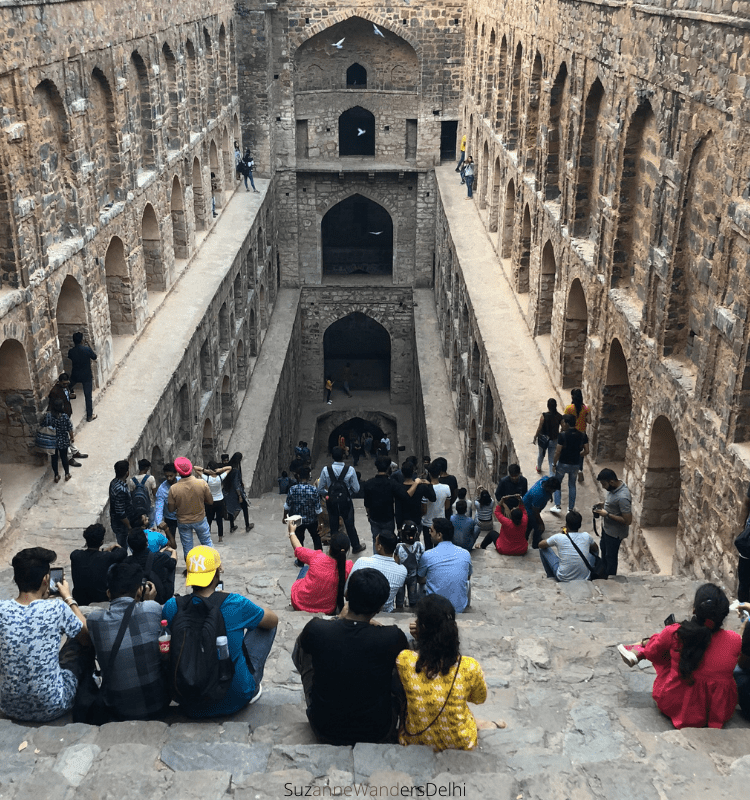
- Agrasen ki Baoli: The most beautiful stepwell in Delhi, built in the 14th century by the Agrawal community. Some locals believe the black water at the bottom of the well has mystical powers. Free.
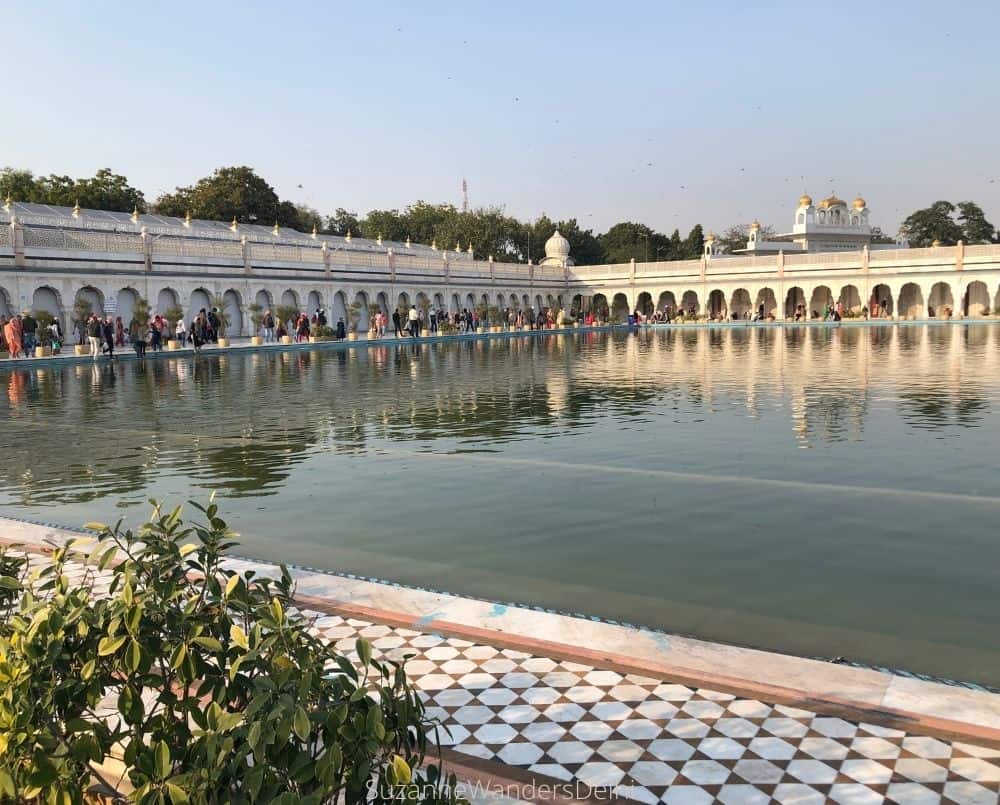
- Gurudwara Bangla Sahib: One of Delhi’s most important religious sites. This is one of the largest and most important Sikh temples in India. You can start at the visitor’s centre if you want a tour of the temple. Heads must be covered (there are bandanas to borrow) and shoes must be removed. See my full guide to Gurudwara Bangla Sahib here. Free.
- Dinner at Connaught Place: Connaught Place is the British built commercial and shopping hub of Delhi and its unofficial centre. There are many restaurants here. I like Zaffran, Pind Balluchi (Regal Building), United Coffee House and Social.
Day 2: Old Delhi
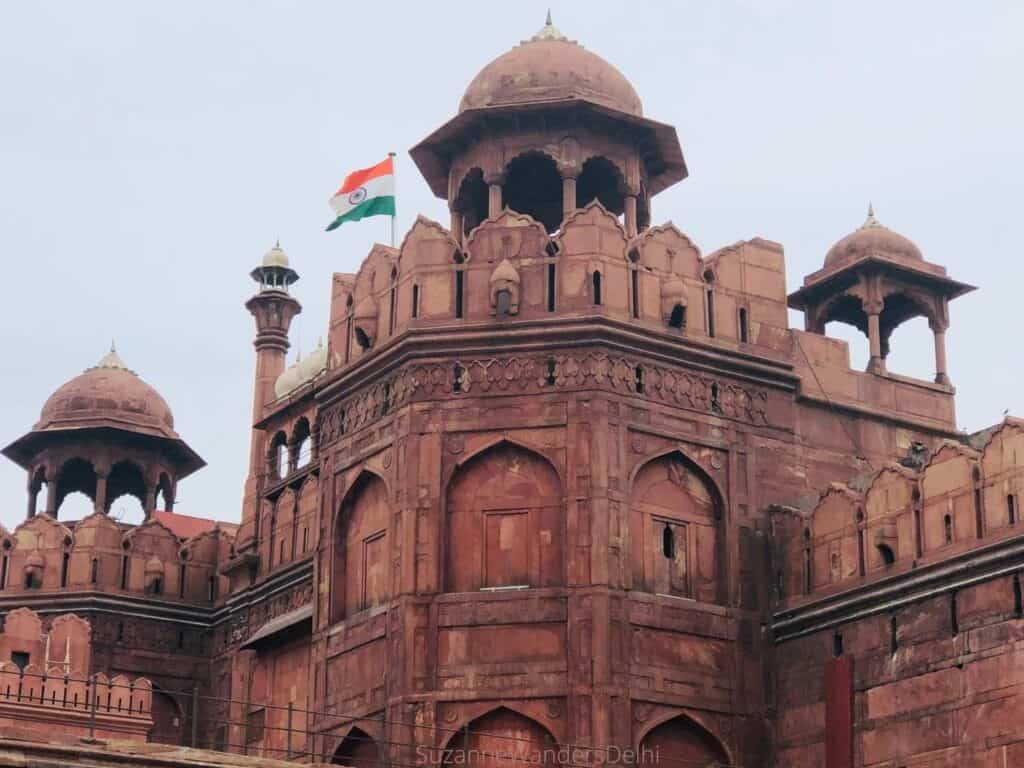
Hopefully you’re a little acclimatized to Delhi now, because Old Delhi is generally bonkers. Historically it is the most important part of Delhi, built by Shah Jahan (who built the Taj Mahal) in the 1600s and the last of Delhi’s 7 historic cities.
I recommend taking the metro to and from Old Delhi (Lal Quila or Chandni Chowk metro stations). Traffic in this area is terrible.
I usually don’t recommend guided tours, but a guided tour would be helpful to explore Old Delhi. Both Delhi Heritage Walks and India City Walks offer heritage walking tours which give you the highlights and include sampling street food.
- Red Fort (UNESCO): The most important site in Delhi. It was the royal residence of all Mughal rulers from 1639 to 1857. Essentially a world unto itself, it was severely ransacked by the British in 1857, but many important buildings remain. It opens at 8:00 am, so try to be there early. Tickets are INR 600, or buy online in advance online (noted above).
- Chandni Chowk: This is the most famous street in Delhi. It starts across the street from the Red Fort and continues 1.8 km until Fatehpuri Masjid, where the spice market starts. Along Chandni Chowk are historic markets, temples and famous street food joints. During the day motorized vehicles are not allowed, so it’s easy to explore. See my full guide on Chandni Chowk here.
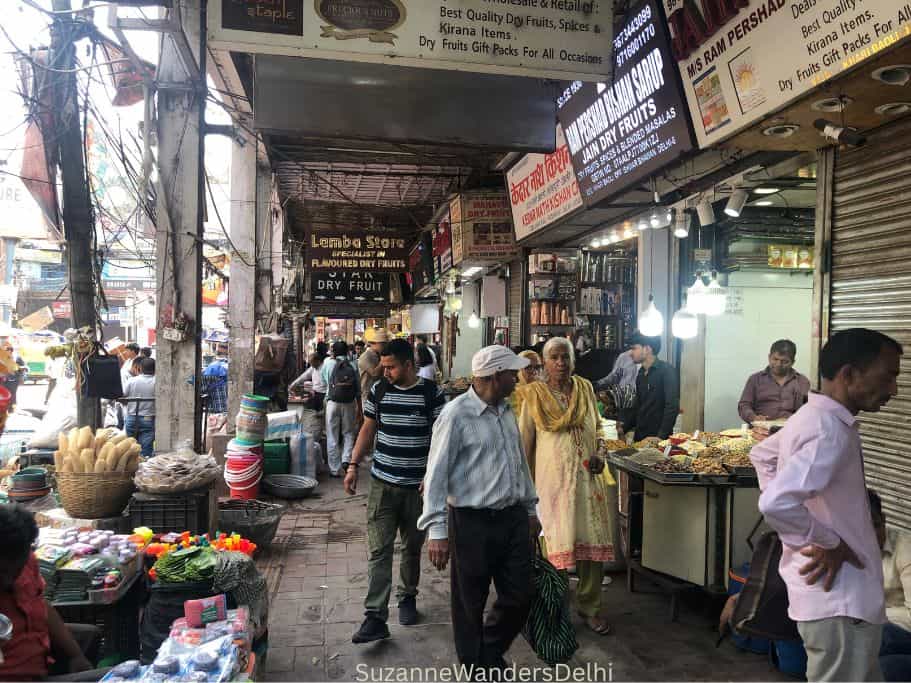
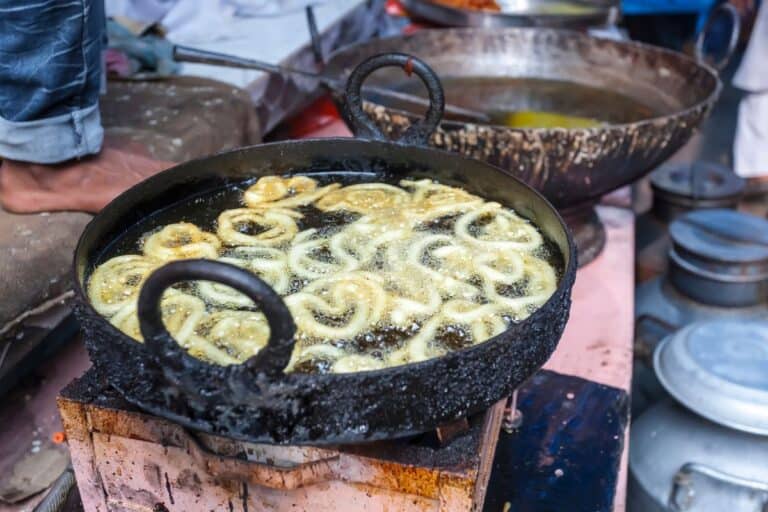
- Old Delhi Street Food: There are two places on Chandni Chowk I recommend: Kanwarji Raj Kumar Bhatura Junction for chole bhature (chick peas in gravy with puffy breads), and Natraj Dahi Bhalla for dahi bhalla (famous street snack). I have eaten at both many times.
- Khari Baoli (Old Delhi Spice Market): It starts around the corner from Fatehpuri Masjid. This is the most famous market in Delhi, and one of the largest wholesale spice markets in Asia. See my full guide to Khari Baoli here. Free.
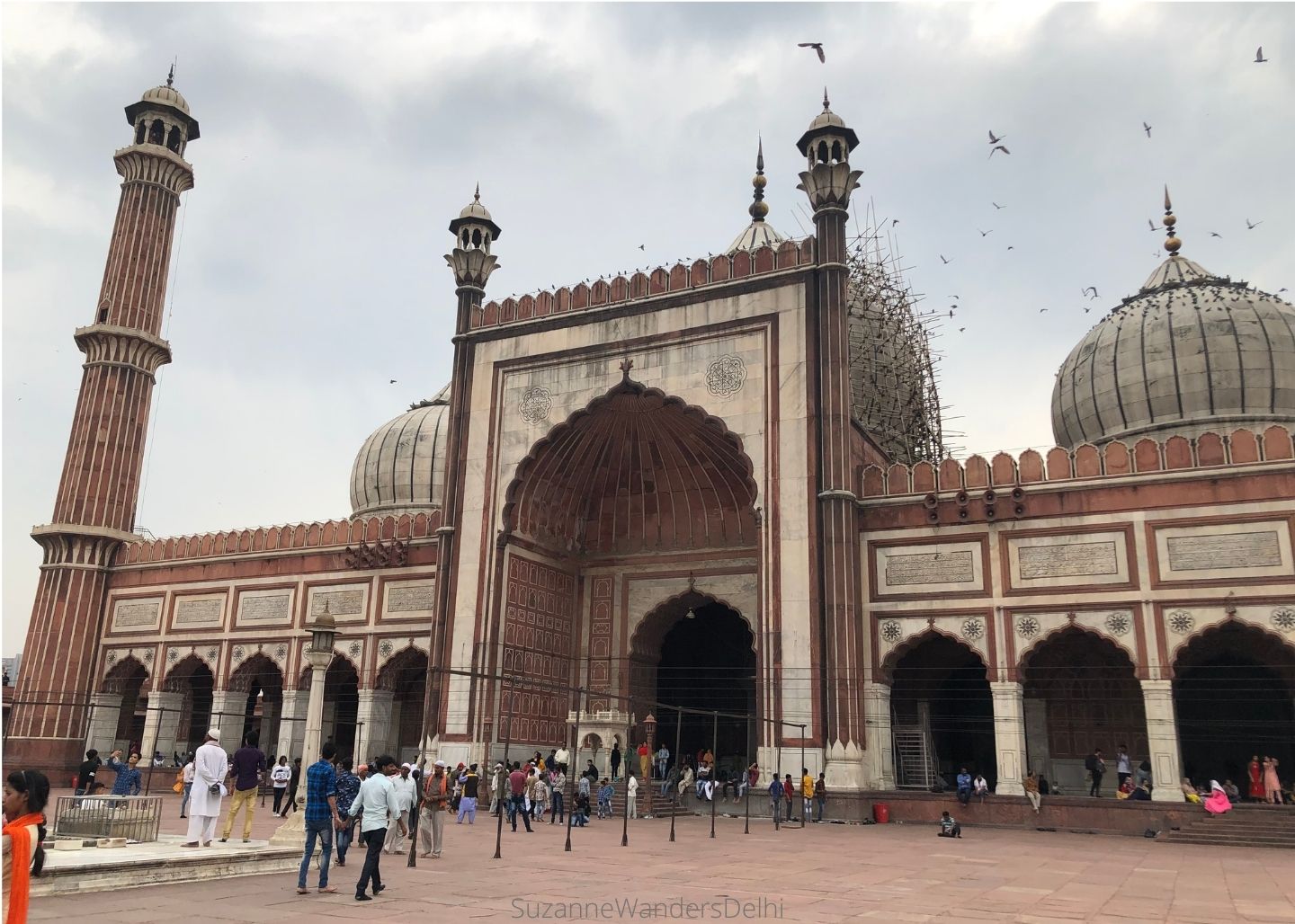
- Jama Masjid: The largest mosque in Delhi, built in 1656 by Shah Jahan. It was the personal mosque for the royal family. It is a beautiful structure with three gates, four towers and two minarets, all of red sandstone and marble. It is a working mosque and has a strict dress code. For great views of Old Delhi, climb one of the minarets. Free, but sometimes they charge tourists INR 300.
- Raj Ghat (Gandhi Memorial): This is the place where Mahatma Gandhi was cremated following his assassination on January 30, 1948. Visiting dignitaries often pay their respects here. Gandhi is still venerated across India and considered the father of the nation. Shoes must be removed. See my full guide to Raj Ghat here. Free.
- Dinner at one of Delhi’s best restaurants: For a really spectacular meal in a beautiful setting, head to Spice Route at the Imperial Hotel. For something a bit more casual and budget friendly, I recommend Cafe Lota at the National Crafts Museum.
Day 3: South Delhi
On your last of this 3 day itinerary, you’ll head into a very historic part of South Delhi, visit one of the most famous religious buildings in the world, and have an opportunity to shop at a Delhi market.
Take an Uber to Qutub Minar (the first site) and then auto rickshaws from there.
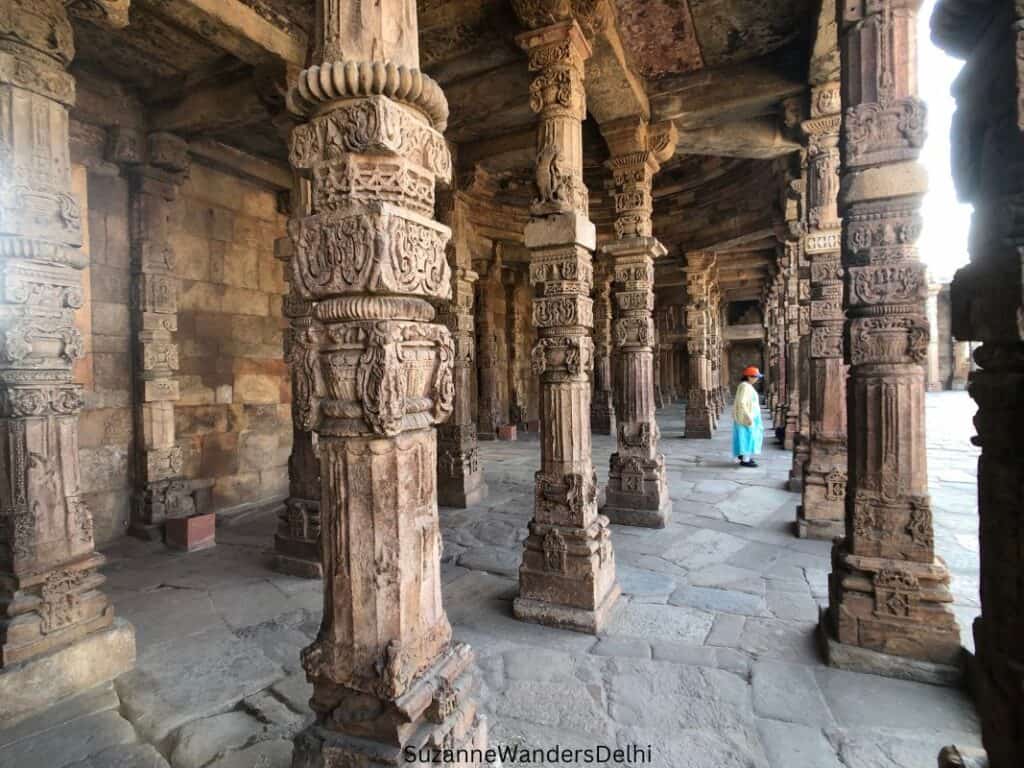
- Qutub Minar (UNESCO): The Qutub complex is a group of monuments and ruins, some dating back to 1192. These include the Qutub Minar, the tallest brick minaret in India, as well as a mosque, madrassa, tombs, another minar and the famous iron pillar that has never rusted. The complex was built on the ruins of 2 Hindu temples, pieces were used in the columns of the mosque. Tickets are INR 600.
- Lunch: Have a sit down lunch at Grammar Room (one of the best cafes in Delhi) Olive Bar and Kitchen, or Bo-Tai, all around the corner from the Qutub complex. This area is full of upscale nightclubs and restaurants – a favourite party spot for Delhi’s more affluent.
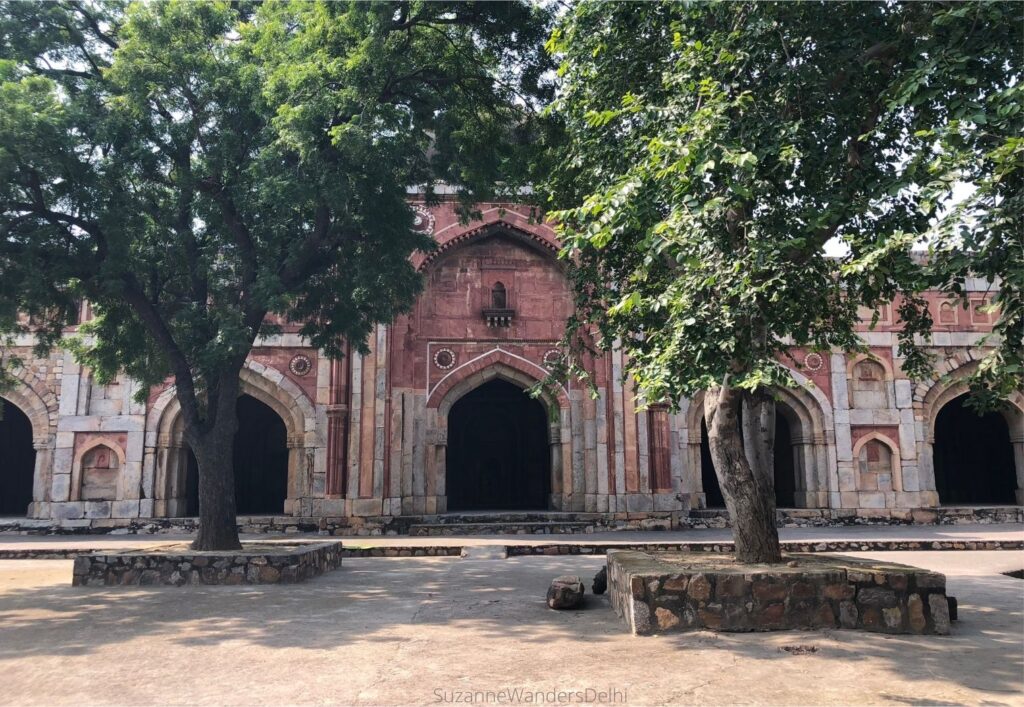
- Mehrauli Archeological Park: Mix of forest and parkland with spectacular monuments from pre-Islamic to Mughal periods. Don’t miss the Rajon ki Baoli, Jamali Kamali Mosque or tomb of Quli Khan. You can walk here from the Qutub Minar, it is just down the street. INR 500.
- Bahai Lotus Temple: A Bahai temple made entirely of white marble in the shape of a lotus flower. It is one of the most visited religious buildings in the world, and on the UNESCO World Heritage tentative list. Everyone is welcome. Shoes must be removed. Closed Monday. See my full guide to visiting the Bahai Lotus Temple here. Free.
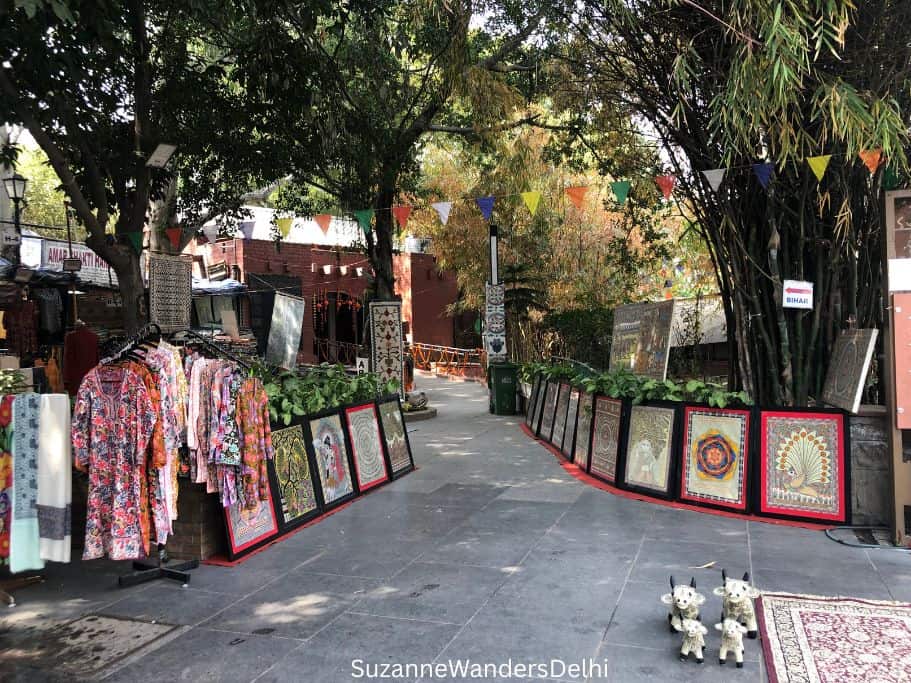
- Dilli Haat INA: Pedestrian only outdoor craft and food market. Artisans from all over India come here for two weeks at a time to sell their products. It’s an excellent place to shop for authentic handicrafts and souvenirs. Have a casual dinner at the food court which sells regional specialties from across India. See my full guide to Dilli Haat INA here. INR 100.
What to Do if You Have More than 3 Days in Delhi
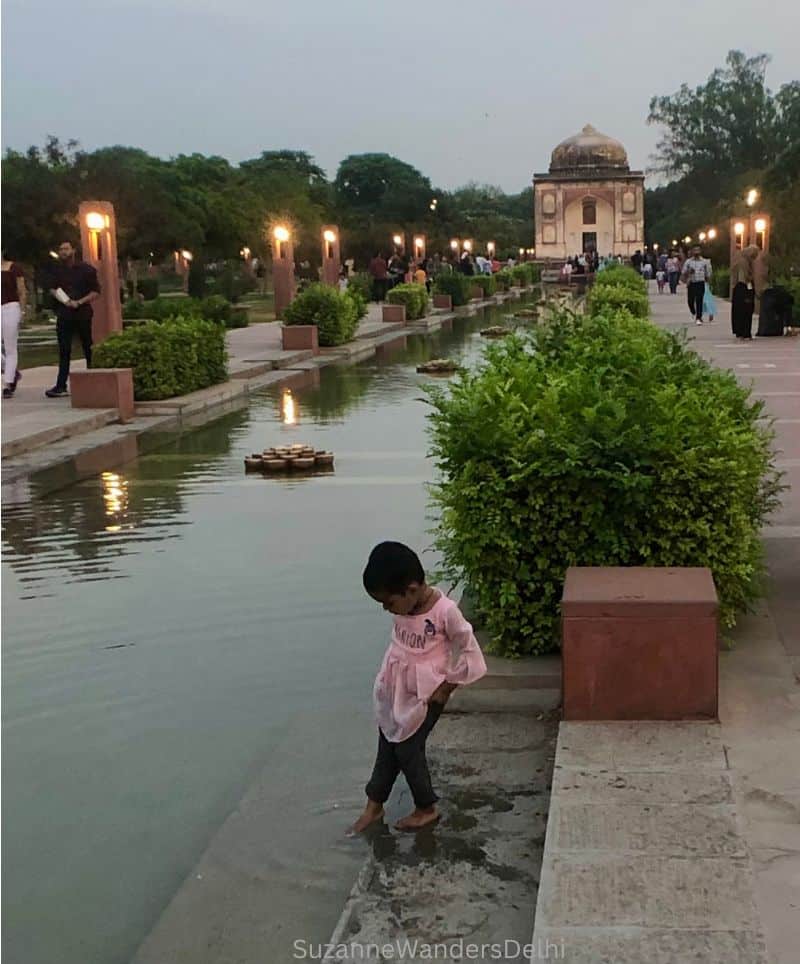
If you have an extra day or half day, these make great one-off excursions:
- Akshardham Temple: One of the largest Hindu temples in the world and a stunning masterpiece of intricately carved marble from floor to ceiling. It is some of the most breathtaking architecture I have ever seen in India. Closed Monday. Free.
- Bikaner House: The former palace of an Indian prince, Bikaner House is now a cultural and arts centre. The ground are beautiful, there’s always one or two free art exhibits, and there’s several cafes on site. Close to India Gate. Free.
- Jantar Mantar: A group of 13 architectural astronomy instruments built in 1724. It’s located near Connaught Place and an easy site to visit. INR 300.
- Sunder Nursery: Beautiful heritage park near Humayun’s Tomb that has earned UNESCO awards for heritage conservation and sustainable development. INR 200.
- Visit a Street Market: Delhi is famous for its street markets. I recommend Central Market Lajpat Nagar which is busy, but authentic and great for Indian clothing and street food, or Janpath Market which is a bit more geared for tourists and calmer.
- Take an Indian Cooking Class: I’ve done a few cooking classes in Delhi, but the best one I took was with Jyoti Agarwal of Gourmet Desire. The classes are in her home in South Delhi, and she is an excellent teacher.
- Take A Sightseeing Tour of Delhi: Any of these 6 sightseeing tours of Delhi will get you off the beaten path, and you’ll benefit from a local’s knowledge of this sprawling mega city.
How to Get Around Delhi
The best ways to get around Delhi are Uber, metro or auto rickshaw. All are very inexpensive.
For short distances I use auto rickshaws. For long distances I’ll use the metro since it’s faster than driving sometimes, and for everything else I use Uber. For door to door service I’ll take an auto rickshaw to and from the metro station.
You won’t need to use the Delhi metro much for this 3 day itinerary. You should be able to take auto rickshaws between most sites.
When to Visit Delhi
The best time to visit Delhi is spring and autumn: February, March, October and November.
Winters in Delhi are cold and pollution levels are very bad. Anyone that can leaves the city and heads south to Kerala or Goa in winter. Summers are very hot (up to high 40sC), and monsoon is super humid and there can be flash flooding.
I’ve spent all these seasons in Delhi, but would I want to be exploring the city and site-seeing in monsoon or the awful winter pollution? No.
What to Wear in Delhi
Modest dress is best in Delhi. Shoulders, legs, cleavage and behind covered, especially for women. Breathable fabrics like cotton are best.
Delhi is conservative, and to avoid unwanted attention I really recommend you dress modestly. Chances are if you look like a tourist you’ll attract attention anyway, but modest dress will help minimize this.
You will be asked for selfies. Here’s the truth – an Indian man would never, ever ask an Indian woman for a selfie. It would be disrespectful. If a family, or woman asks for a selfie – that’s reasonable, but I don’t recommend taking selfies with Indian men.
How to Stay Healthy in Delhi
The usual precautions apply here for your 3 days in Delhi: stay hydrated, use sunscreen and mosquito repellent. Only drink bottled or filtered water.
As for the food, it’s safe to eat but there’s a few things to keep in mind:
- no ice unless it was made with filtered water
- no street food in monsoon or summer when food spoils quickly
- wash your hands before eating
- when eating street food, avoid meat and look for stalls that have a steady flow of customers
Here’s more on how to avoid Delhi Belly and eat everywhere here.
Last Words on 3 Days in Delhi
This 3 day itinerary is designed with Delhi first-timers in mind. I want you to see the incredible history and beauty that is a big part of Delhi. The city can be chaotic – 33 million people live in Delhi, but Delhi is also beautiful, colourful and full of surprises.