Urban Villages in Delhi Worth Seeing

The urban villages in Delhi are some of the most interesting places to explore if you want to see a side of the city most visitors miss. These are actual villages that were swallowed up into Delhi during the city’s rapid growth after Partition.
Some villages are quite gentrified, while others are more gritty and congested. Because of their legal status as villages, they were subject to different regulations and evolved differently from the rest of the city.
The result is neighbourhood pockets that are characterised by narrow lanes, higgledy piggledy construction, and traces of medieval cities tucked right under the nose of modern Delhi.
Why Delhi’s Urban Villages Look So Different
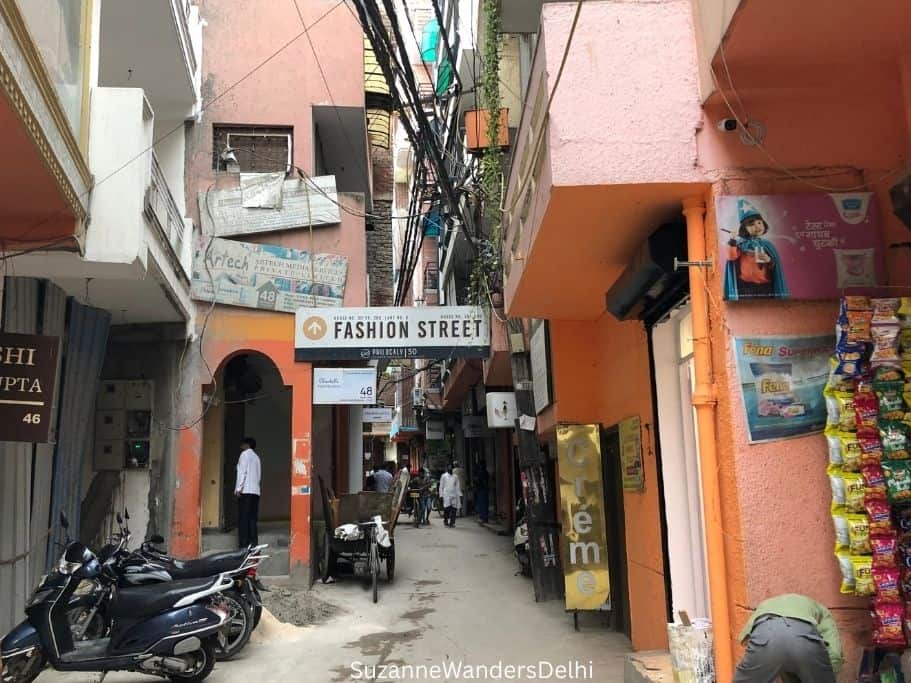
Many of Delhi’s urban villages have their roots in Lal Dora, a system introduced by the British in 1908 which separated the residential part of villages from the farmland. The residential areas were treated differently, with fewer municipal restrictions and exempt from taxes.
As Delhi expanded, these villages were absorbed into the growing city, but they retained their special legal status. This resulted is a lot of ad hoc construction giving them a very different look and feel to the rest of the city.
Some of these villages have become social and commercial hubs, while others have been quietly forgotten – a gritty maze of narrow lanes with centuries old monuments hidden by newer construction.
Urban Villages in Delhi Worth Seeing
Incredibly, there are over 300 urban villages in Delhi. These are the ones I think are most interesting. Each has its own character from trendy cafes and art galleries to medieval ruins and villages that still feel rural.
Wear comfortable shoes and be prepared to walk. Cars can’t get far into most of these villages because of the narrow lanes.
1. Hauz Khas Village – the Most Gentrified
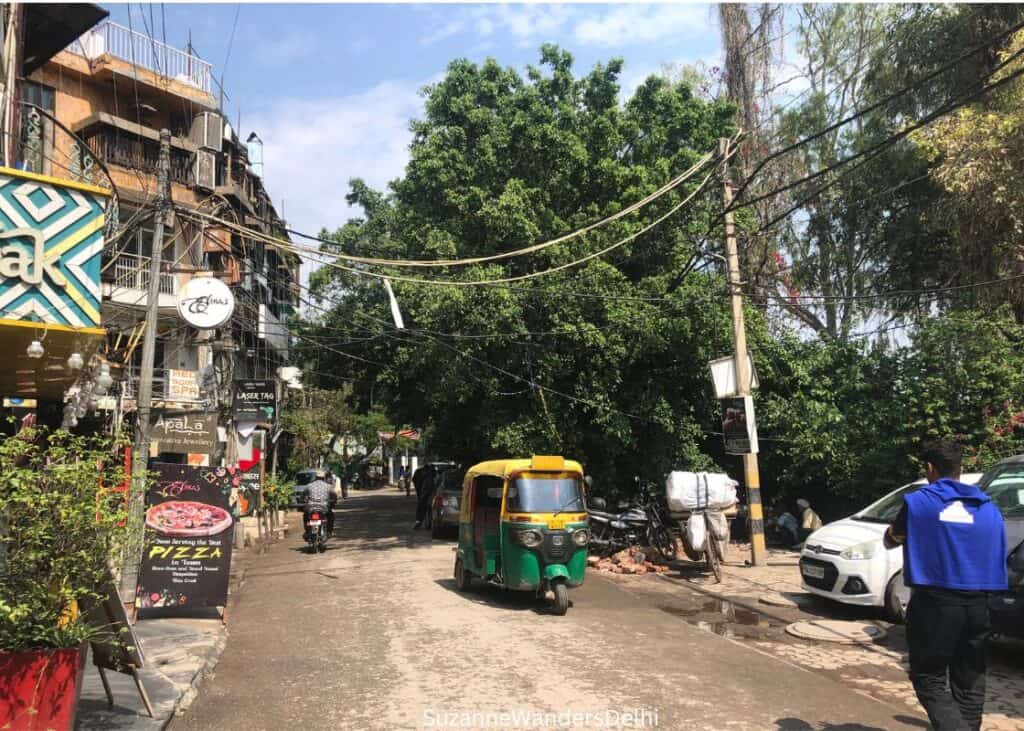
The best known and most gentrified of Delhi’s urban villages is Hauz Khas Village. This is a great place to visit if it’s your first day in Delhi. It’s easy to explore and has a great mix of restaurants, shops and history.
Hauz Khas Village is one of the most popular nightlife hubs in Delhi and also home to the 14th century Hauz Khas Fort. I used to always rent Airbnbs here, but shifted to nearby Green Park because of the noisy night life and bottleneck traffic getting in or out of the village at night. If you’re coming here on a weekend night, get dropped off at Green Park Market and walk down – it will be faster.
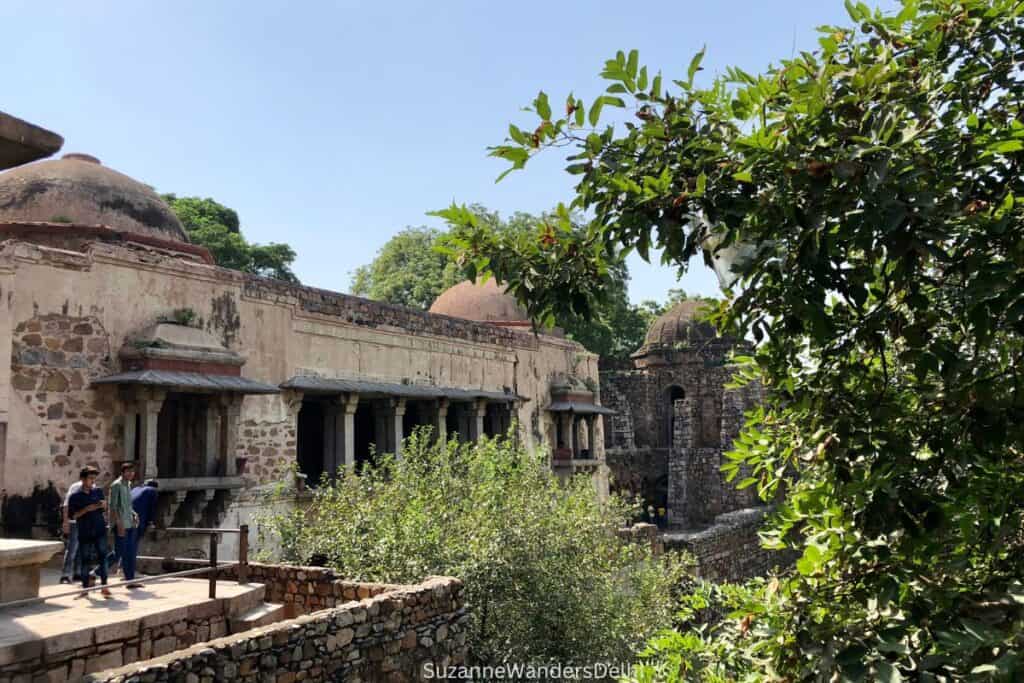
Make sure you visit Hauz Khas Fort while there (INR 300 entry fee), explore a few back lanes, and have a meal at Social, one of Delhi’s most famous restaurants. The outdoor terrace has great views of the ruins.
You can also explore Deer Park while there – it’s next door, free and has some well-preserved tombs.
2. Shahpur Jat – Fashion and Wedding Shopping
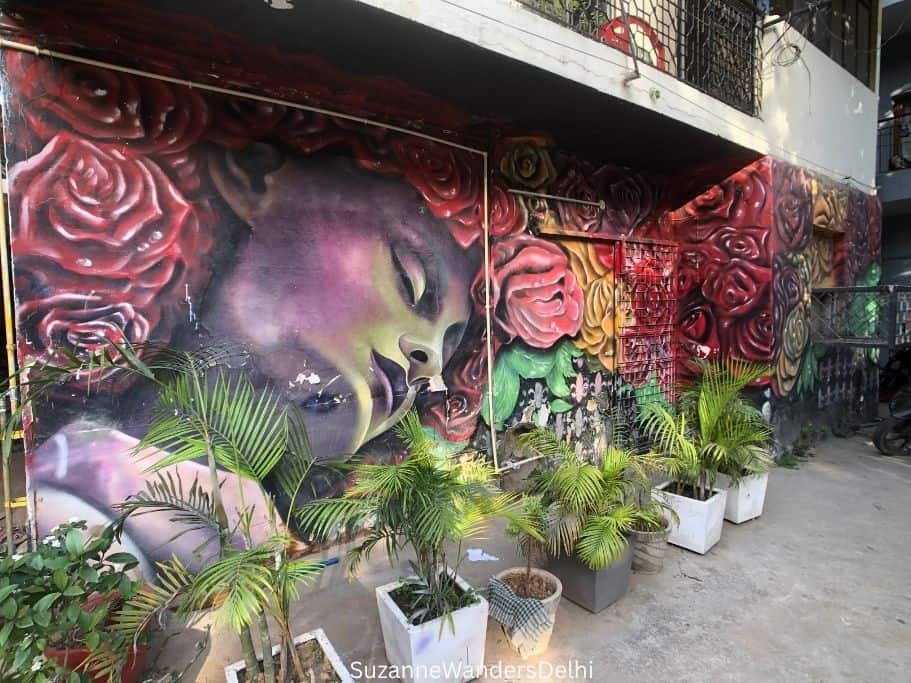
Shahpur Jat is a trendy urban village wedged between several upscale South Delhi neighbourhoods. Originally a Jat community farming village, it has become a fashion hub famous for its wedding fashion.
The village is built on the site of Delhi’s second medieval city, Siri. Parts of the ancient fort wall and ruins of Tohfe Wala Gumbad built in 1303 are still standing.
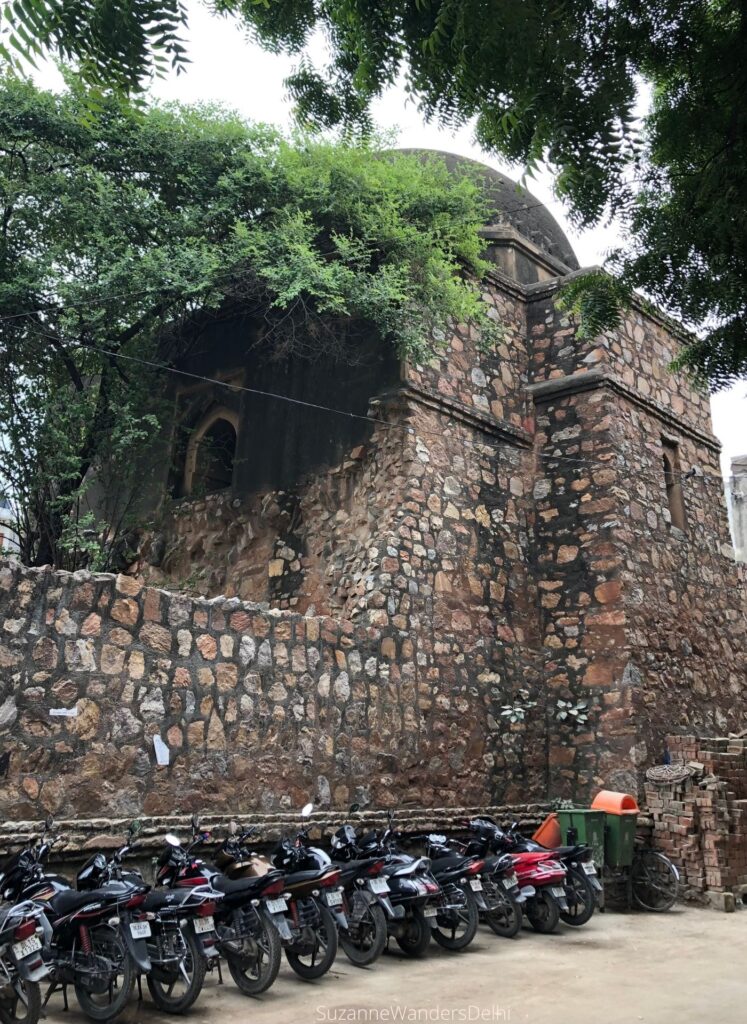
Farmers would find old walls, tunnels and even skeletons when they dug into the ground. Afraid the government would confiscate the land for excavations, they kept quiet and built new buildings over the ruins.
While pleasant to visit for the day, living in an urban village can be challenging. My friend lives in Shahpur Jat and keeps buckets of water in her apartment for the frequent water cuts. Urban villages in Delhi are often at the bottom end of power and water supply.
While here, eat at Potbelly Rooftop Cafe, one of the best cafes in Delhi. Shahpur Jat is not far from Hauz Khas Village, you could easily see both in one day.
3. Mehrauli – Mughal History and Monuments
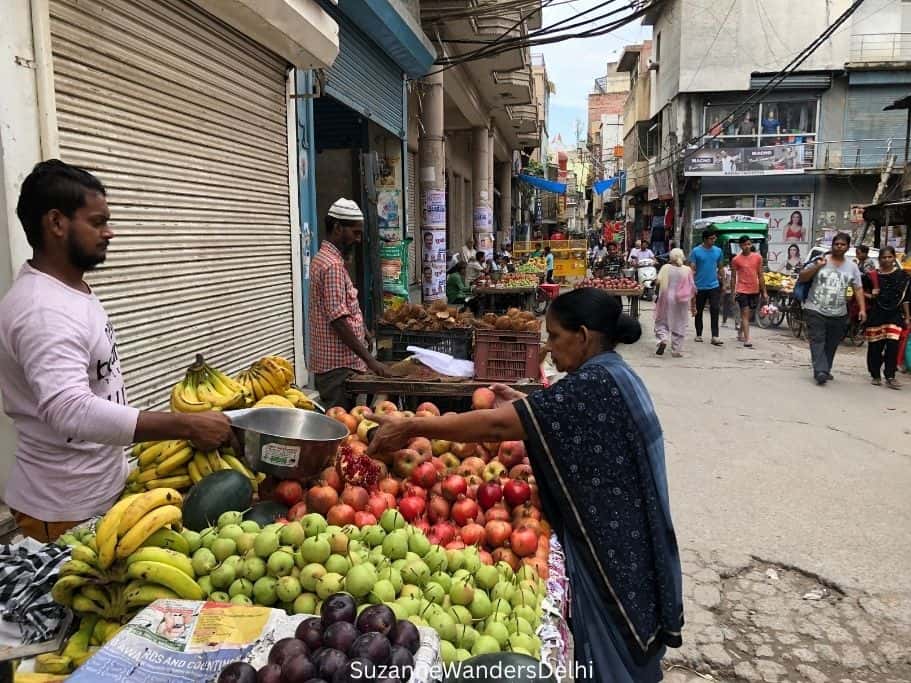
Mehrauli Village is one of the oldest continuously inhabited areas of Delhi and it is exceptionally rich in history and monuments. I found the village by accident in 2018 when I was exploring Mehrauli Archaeological Park. The foot paths at the back of the park lead into Mehrauli Village, and I ended up there.
This is one of the more gritty villages (though not the grittiest), but the Mughal ruins are astounding, and I’ve never seen another tourist there unless they were with me.
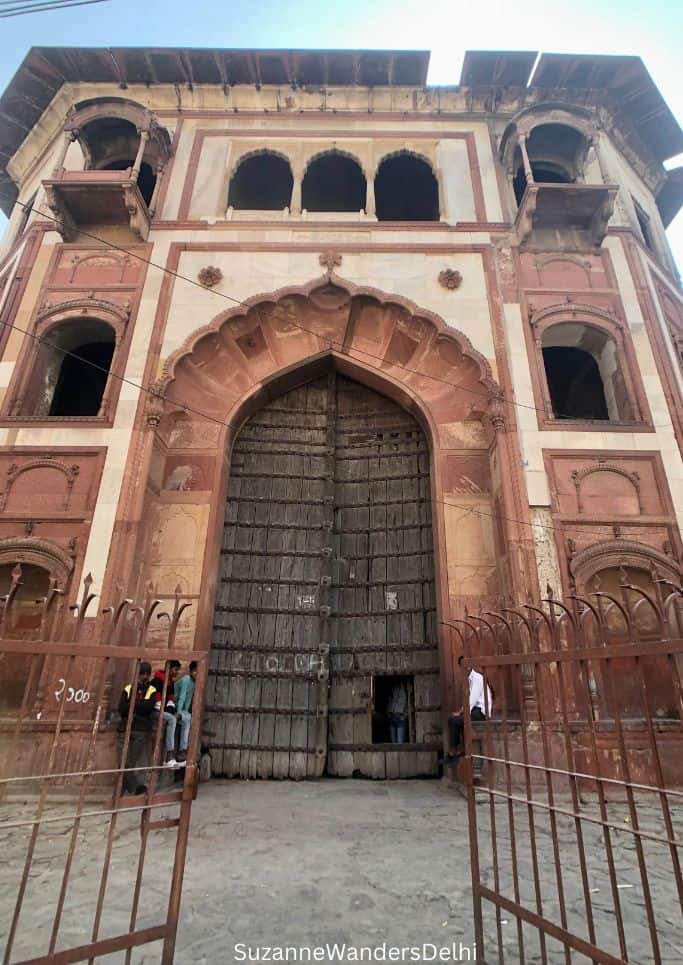
These are the ruins to look out for (none are regulated – they’re all free):
- Ghandhak ki Baoli: Ancient stepwell rumoured to be haunted because villagers have drowned in it.
- Zafar Mahal: Summer palace of the last Mughal emperor of India, Bahadur Shah Zafar. Small mosque in the back.
- Jahaz Mahal (Ship Palace): Lodhi era palace (1451-1526) built by a sultan to accommodate the women of the royal harem.
- Hirjon ka Khanqah: Sufi sanctuary with graves of 49 hijras (eunuchs) – hijras were esteemed in royal Mughal households (remove shoes to enter and ladies should cover their hair).
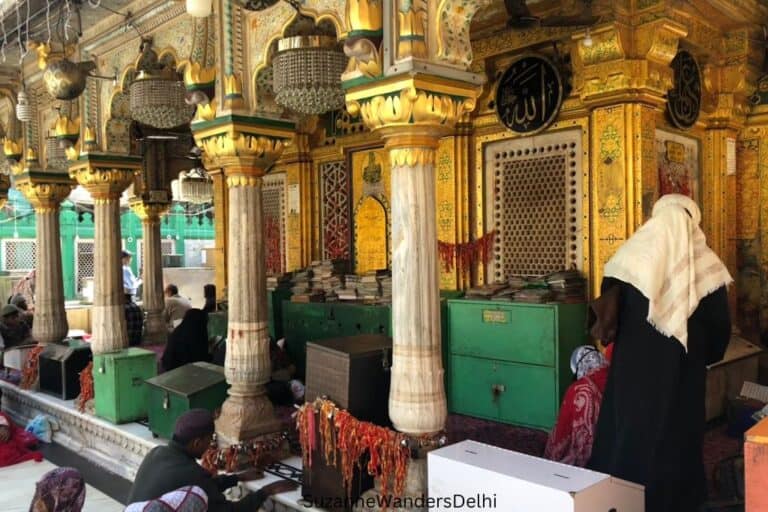
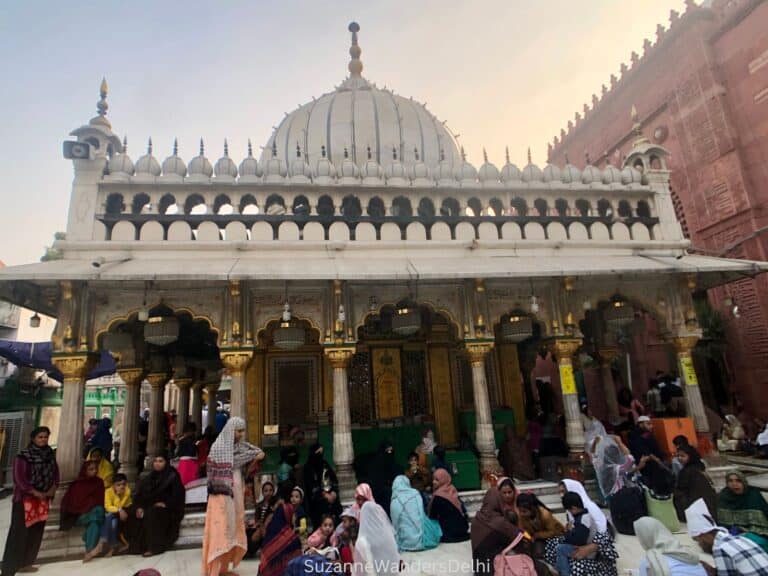
- Dargah Hazrat Qutubuddin Bakhtiyar Kaki: Shrine of the Sufi saint Qutbuddin Bakhtiyar Kaki. It’s the oldest Sufi shrine in Delhi, built in 1236. Shoes must be removed and ladies must cover their heads to enter.
Mehrauli Village is right beside Mehrauli Archaeological Park and close to the Qutub Minar (UNESCO). You could easily spend a full day exploring all three.
4. Khirki Village – A Real Village in Modern Delhi
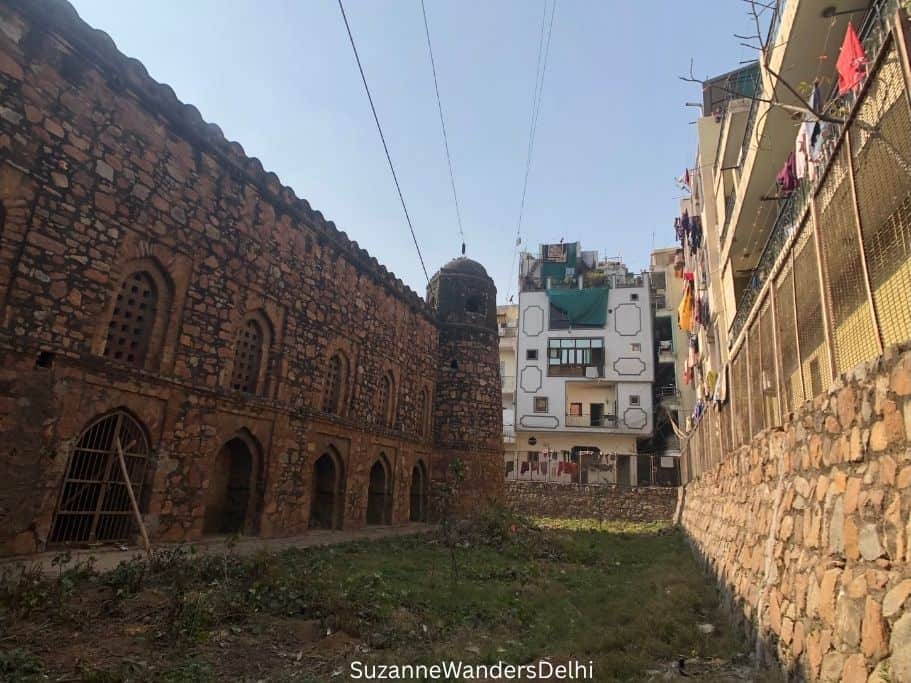
Khirki Village still feels and looks like a village with dirt roads. And directly across the road from the village and its dirt roads are two of Delhi’s best shopping malls (Select Citywalk and DLF Avenue) and the Sheraton Hotel. Talk about contrasts!
The village used to be farmland, but today it’s home to refugees, foreign students and Indians. The narrow lanes have a number of local dhabas, Afghan bakeries and African kitchens, but I go to Khirki Village for the Tughlaq era monuments.
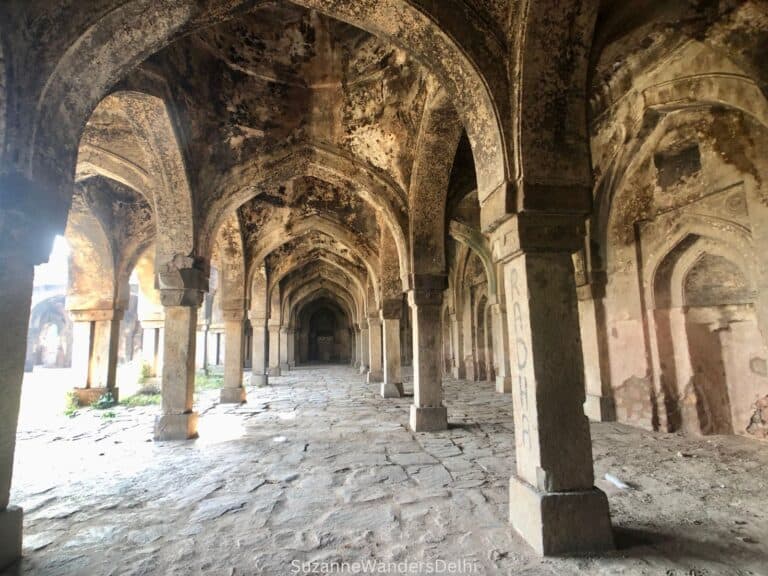
The most impressive is the 14th century fortress mosque, Khirki Masjid. It’s often locked, but the guard will open it for a small ‘donation’. The interior is amazing – columns and domes that seem to go on forever. Just watch out for the bat guano.
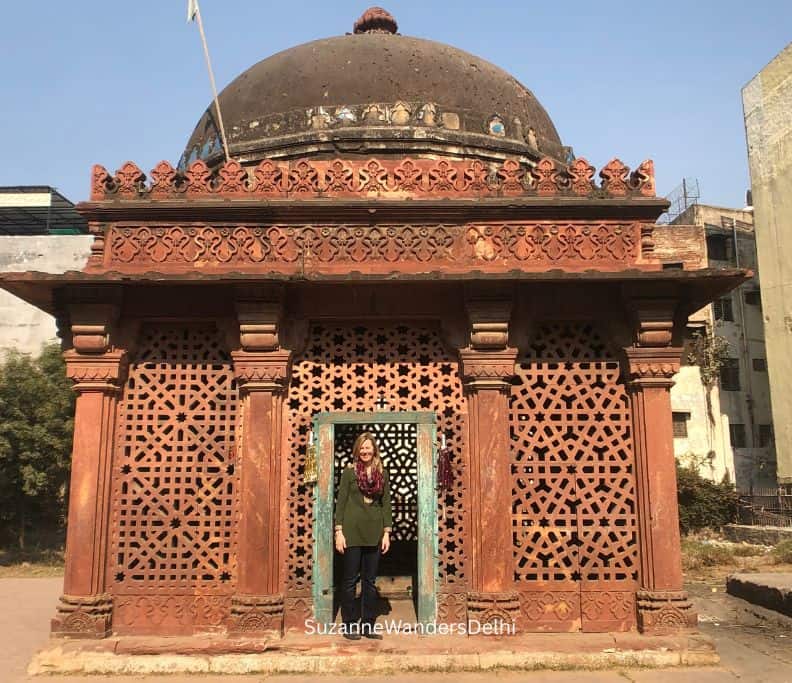
Just up from the masjid is the 16th century Tomb of Shaikh Yusuf Qattal, a Sufi saint and poet. It’s a small complex with the ruins of an old mosque, but pretty. And further along Press Enclave Marg is the Satpula Bridge – a 14th century arched water harvesting dam. I had to climb over a small fence to access it, but locals were doing it too.
5. Zamrudpur – Hidden Lodi Era Tombs
Zamrudpur is another urban village in South Delhi, but I haven’t explored it yet. I must have passed by it because it’s located in Greater Kailash I, a posh neighbourhood popular with expats, but the village is easy to overlook.
What caught my attention is a group of five Lodi era tombs dating from the 15th and 16th centuries. They’re tucked into Block B of Zamrudpur, but severe encroachment has made them difficult to access. At least one appears to be accessible from the street, while others have been hemmed in by private buildings.
This is one urban village where I’d recommend having a Hindi speaker with you. Finding the tombs and getting access may be difficult, so being able to talk to the locals would be helpful.
I’m planning to visit Zamrudpur on my next trip to Delhi, but if you’re already in Greater Kailash I, you could easily make a detour to look for these hidden Lodi era tombs.
6. Saidulajab Village & Champa Gali – “the Paris of Delhi”
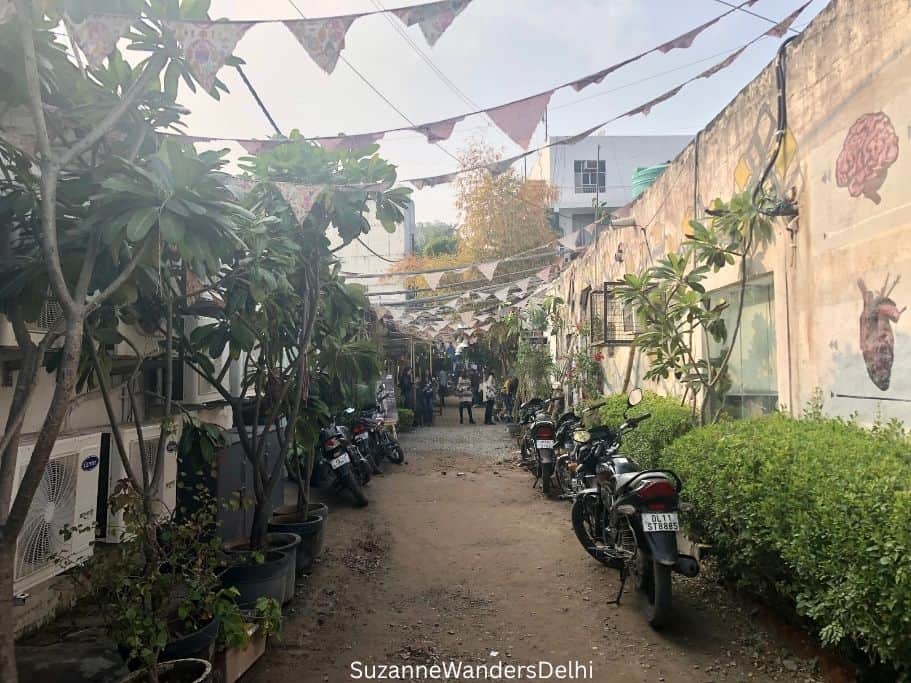
Saidulajab is the urban village that went from rural/agricultural space to Delhi’s bohemian cafe neighbourhood. Today, it’s best known for one lane, Champa Gali, which is packed with cafes, coffee shops and creative businesses.
Champa Gali gets its name from the potted champa plants that line the lane. It has become a popular hangout for young Delhiites and is sometimes called “the Paris of Delhi”, although that’s definitely a stretch.
Until 2013 Champa Gali was a vacant lot with a poultry farm, junkyard and cow sheds. Then Jiten Suchede opened Jugmug Thela, his vision of Parisian cafe meets local chai shop. Blue Tokai followed and the lane became famous after Bollywood’s Love Aaj Kal was filmed there.
Champa Gali is a pedestrian only zone, one of the few streets in Delhi where you can wander without traffic.
7. Lado Sarai – Art Galleries and Historic Ruins
Lado Sarai is one of the nicest urban villages in Delhi, and it’s the only one I’d consider renting in. It’s quieter and feels more open than most urban villages because it’s next to the greenery of Qutub Golf Course.
It’s become an art gallery hub with many galleries along Old M B Road. You can easily do an art crawl as most galleries are between Kashmir Haat shop and the Punjab Bank and you can walk between them.
I also like Lado Sarai for the historic ruins. There’s a Lodi era tomb in Gumbad Park. And for lunch walk toward the golf course and stop at Fauji Dhaba, a simple local restaurant that’s along the outer road.
8. Kotla Mubarakpur – Historic Tombs in the Urban Maze
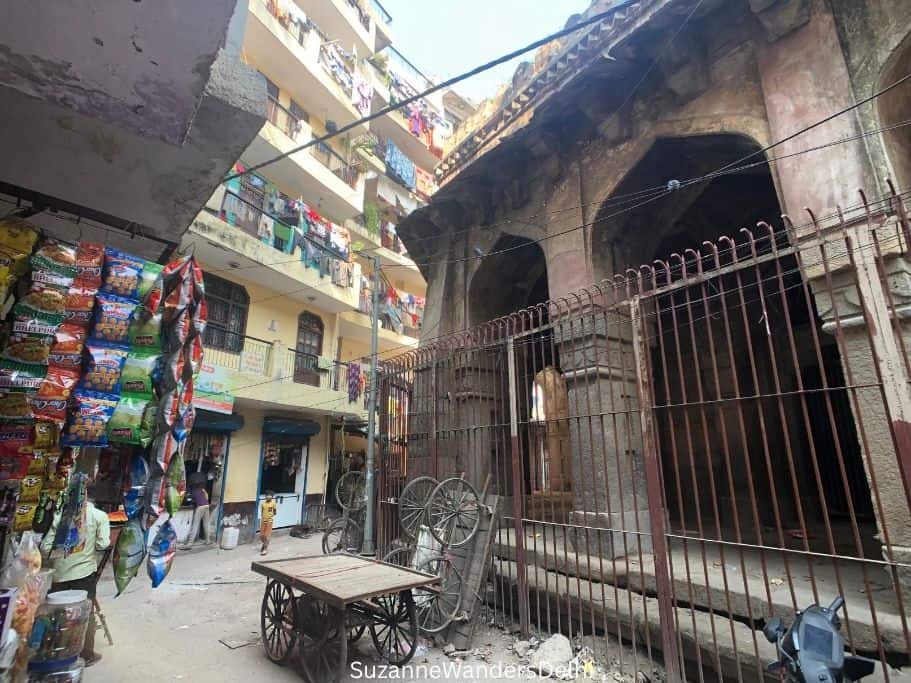
This is probably the most raw of these urban villages, but it’s worth seeing if you’re interested in Delhi’s historic architecture and tombs.
The village grew up around a 15th century Sayyid dynasty complex and right in the heart of the busy market area is the tomb of Shah Sayyid. There are more tombs in the village, but they have been completely hemmed in by contstruction, and the only way to see them is from above.
There is also a large mosque, Kotla Mubarakpur Masjid, but I couldn’t find it on my last visit. I’ve since heard that new construction has cut off access, so reaching it may be difficult.
If you want to get off the beaten path, I recommend seeing the other monuments in the Kotla Mubarakpur Complex (the others are easier to find), and visit the village of Kotla Mubarakpur as part of that.
How to Get to the Urban Villages
The best ways to get around Delhi are by metro, Uber, auto rickshaw, or any combination of these.
The Delhi metro is really good – don’t be nervous about using it. All of the urban villages are near a metro station, and if it’s too far to walk from the station, just take an auto rickshaw the rest of the way. Auto rickshaws are always outside metro stations and cheap.
Uber is also good in Delhi, but cars can’t usually get too far into urban villages because of the narrow lanes. It’s easier for auto rickshaws to get into the villages.
Where to Stay in Delhi
In Delhi, where you stay matters. Not only because the city is massive and you want to be near the sites, but also in terms of safety.
These are excellent properties in good areas of Delhi that are well located for exploring the urban villages and Delhi’s other sites:
- Imperial Hotel New Delhi (luxury): Delhi’s finest heritage hotel and my personal favourite. Excellent walkable area in Connaught Place.
- Lutyens Bungalow (mid-range): Heritage boutique property in one of the best areas of the city next to Lodhi Garden. Breakfast is included.
- Prakash Kutir Bed & Breakfast (budget): Family run guest house in a residential area, near the metro and easy to explore the whole city from. Home-cooked breakfast is included.
Last Words on Delhi’s Urban Villages Worth Seeing
What makes Delhi’s urban villages so fascinating is that they are actual villages that have survived inside a huge, modern city.
Each one has its own character. Some have fashion and cafes, others still feel like traditional villages with dirt lanes, and some are packed with medieval monuments and hidden ruins. These urban villages are a unique side of Delhi most tourists don’t see.