Mehrauli Village: What to See in Delhi’s Oldest Area

The urban village of Mehrauli is in the oldest area of Delhi, it’s been continuously inhabited for over a thousand years. And it has some remarkable historic sites.
Mehrauli Village is way off the tourist path. I’ve never seen another tourist there unless they were with me. But if you’re a bit intrepid you can see a unique side of Delhi most visitors miss, and some pretty astounding monuments.
I found Mehrauli Village completely by accident one day while I was exploring Mehrauli Archeological Park. There’s dirt lanes (with pigs) at the back that exit into the village – I ended up beside the ancient baoli in the village and strolled into the market.
What to See in Mehrauli Urban Village
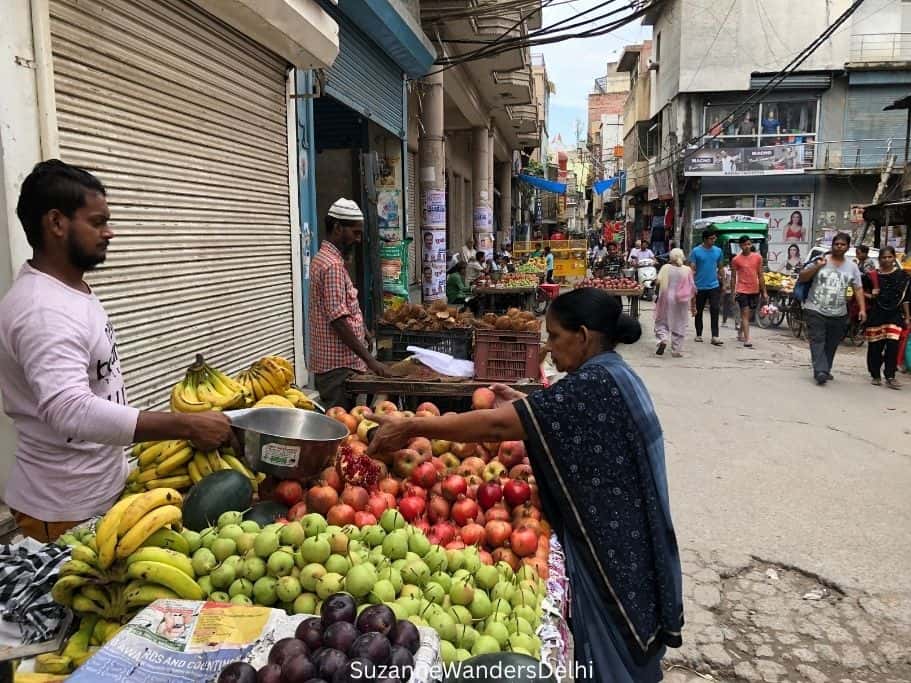
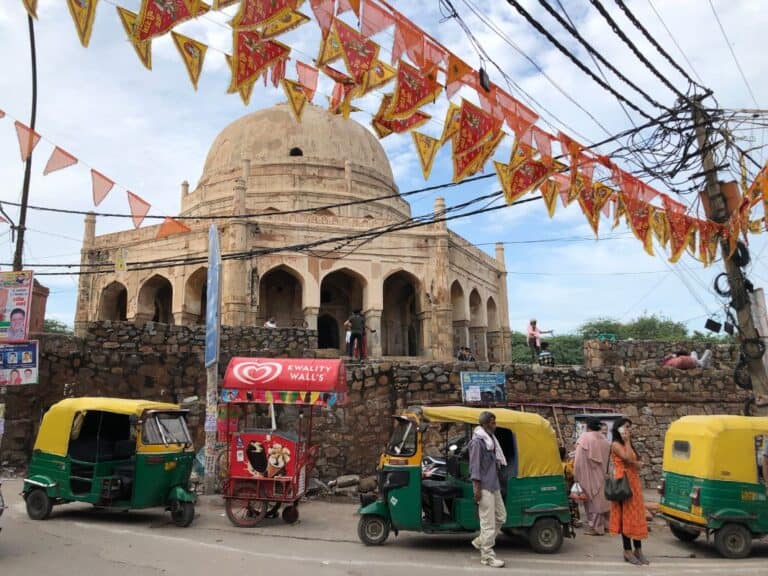
Mehrauli Urban Village is an ungentrified urban village. It’s a bit gritty, congested and apart from the main roads, the lanes are narrow.
Wear walking shoes that are easy to take off because you’ll need to remove them at several sites. Women should bring a scarf to cover their heads and dress conservatively. All of these sites are free.
1. Jahaz Mahal (Ship Palace)
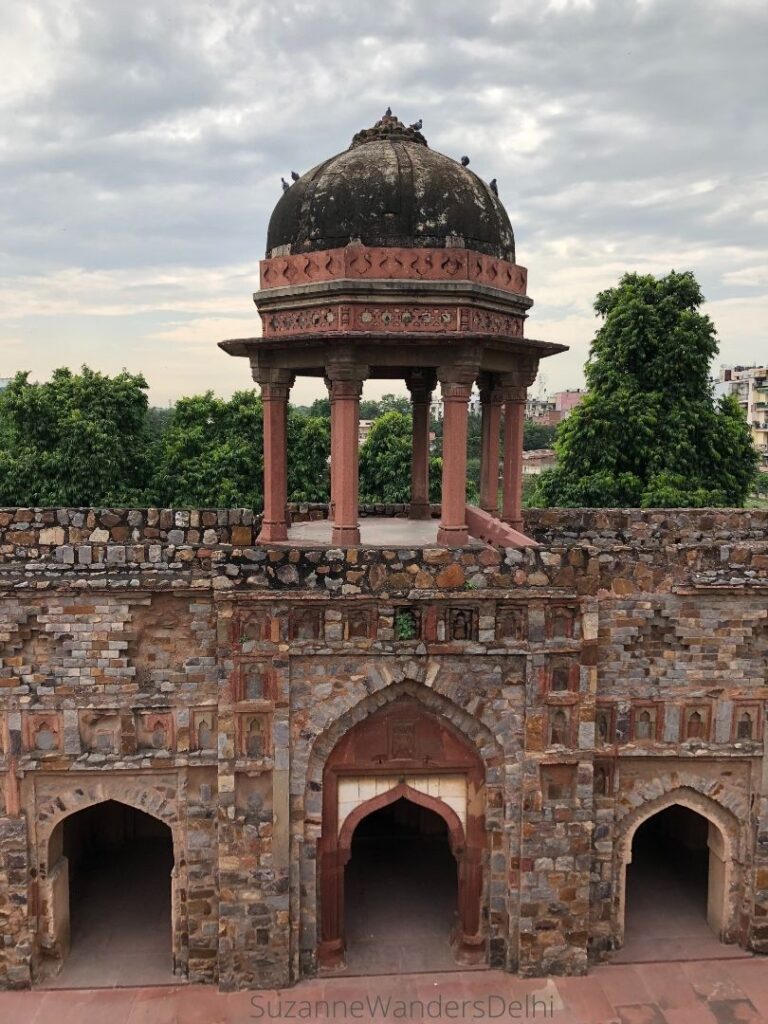
This Lodhi era palace (1451-1526) is right on Kalka Das Marg, and if you’re coming from the Chhatarpur metro station it will be the first monument you see. It is named the Ship Palace because of its ship-like reflection in the adjacent pool of water that was once beside it.
It was built by a sultan to accommodate the women of the royal harem, apparently numbering up to 500.
For great views and pictures of the palace, try to get up on the roof. There is usually a caretaker and if you tip him, he may let you up the locked stairs to get to the roof.
2. Zafar Mahal
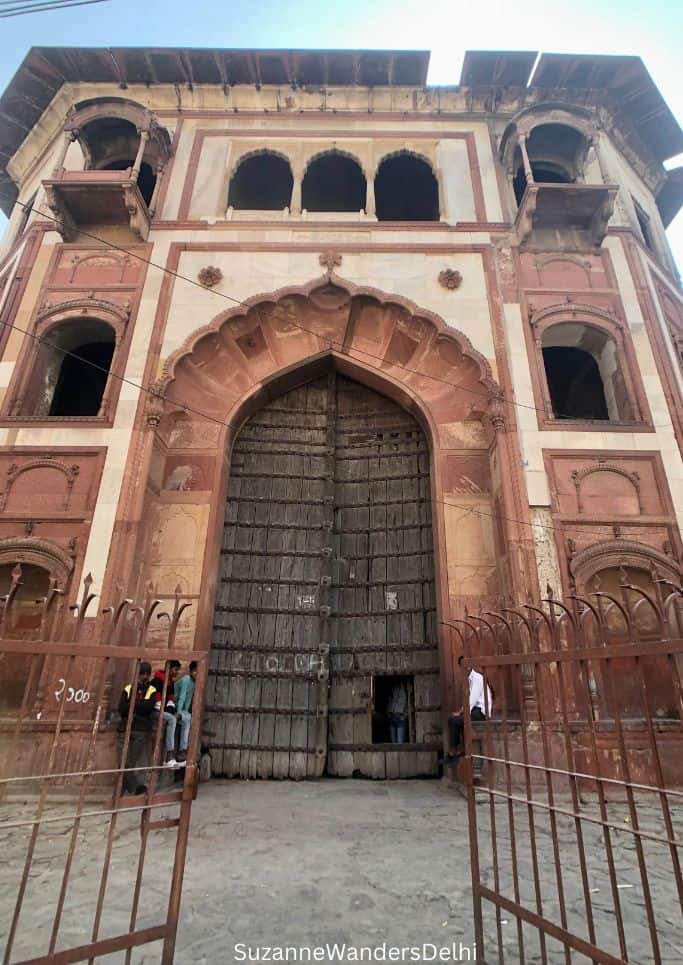
This is the summer palace of the last Mughal ruler, Bahadur Shah Zafar. It was built in 1820 at a time when Mehrauli was a distant outpost of Delhi. It’s now in a deplorable state with new construction even touching the boundary walls in places, but it must have been magnificent once.
Several Mughal rulers lived at this palace and the grounds have audience halls, private rooms and a small mosque at the back. It’s an important piece of India’s history.
Zafar Mahal is in the middle of the village, on a side lane near the main market area. You’ll recognize it from the massive wooden doors. They’ve always been locked, but you can climb in through the square opening.
3. Hirjon ka Khanqah
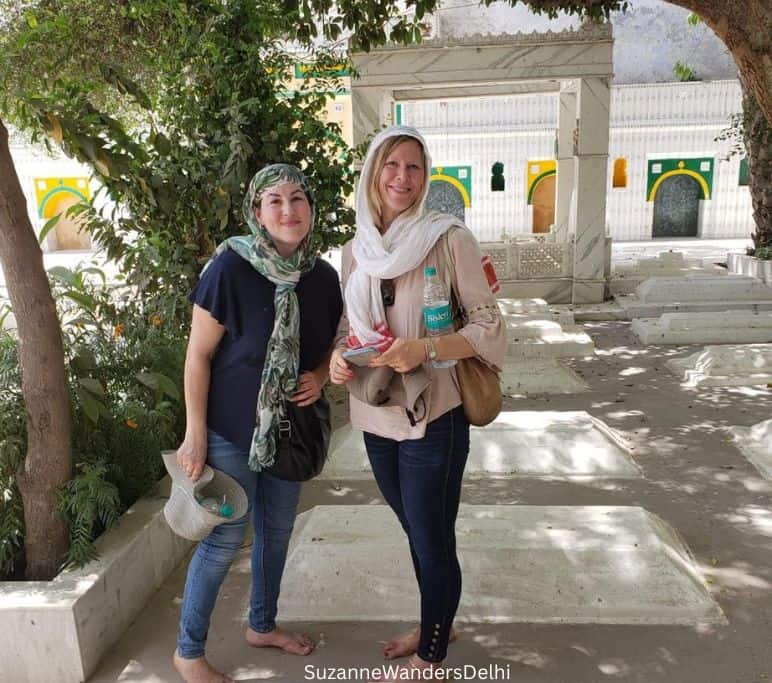
The sufi sanctuary holds the graves of 49 hijras (eunuchs), who once held esteemed positions in royal households. It was built in the 15th century and is currently maintained by the hijras of Turkman Gate in Old Delhi.
Remove your shoes, and women must cover their heads before entering. The entrance is an unmarked simple green gate flanked by a tiled door on the main market road.
4. Gandhak ki Baoli
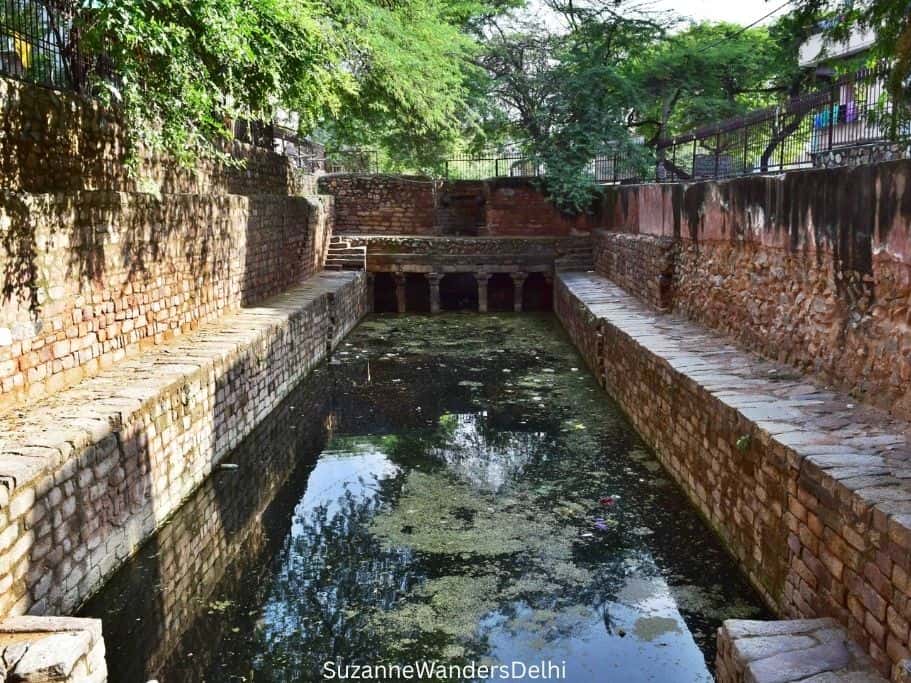
Gandhak ki Baoli is one of the few remaining stepwells in Delhi. It was built by Sultan Iltutmish in the 13th century. Water levels in the baoli depend on the time of year. I’ve never seen it empty, but apparently it goes down five levels.
A local told me the stepwell is believed to be haunted because several villagers have drowned in it, but I’ve seen kids swimming in it in summer. The name comes from the Hindi word for ‘sulfur’ (gandhak). The stepwell’s water comes from a sulfur spring.
If you enter Mehrauli Village the back way, from the dirt lanes behind Mehrauli Archeological Park you’ll pass this baoli.
5. Dargah Hazrat Qutubuddin Bakhtiyar Kaki
This is the oldest Sufi shrine in Delhi, built in 1236. It is dedicated to the Sufi saint and mystic Qutbuddin Bakhtiyar Kaki.
Hazrat Qutubuddin Bakhtiyar Kaki established the Chishti branch of Sufism in Delhi. Later saints from this order include Hazrat Nizamuddin Auliya (his dargah is the most important Sufi site in Delhi) and Nasiruddin Chiragh Dehlavi (his dargah is also in Delhi).
The village of Mehrauli grew mainly because rulers and followers of Qutbuddin Bakhtiyar Kaki wanted to live and be buried near his shrine. Over the years several rulers added to the shrine, like Sher Shah Suri who added the marble enclosure and gateway in 1541.
Shoes must be removed and ladies must cover their heads to enter the dargah.
6. Bhool Bhulaiya
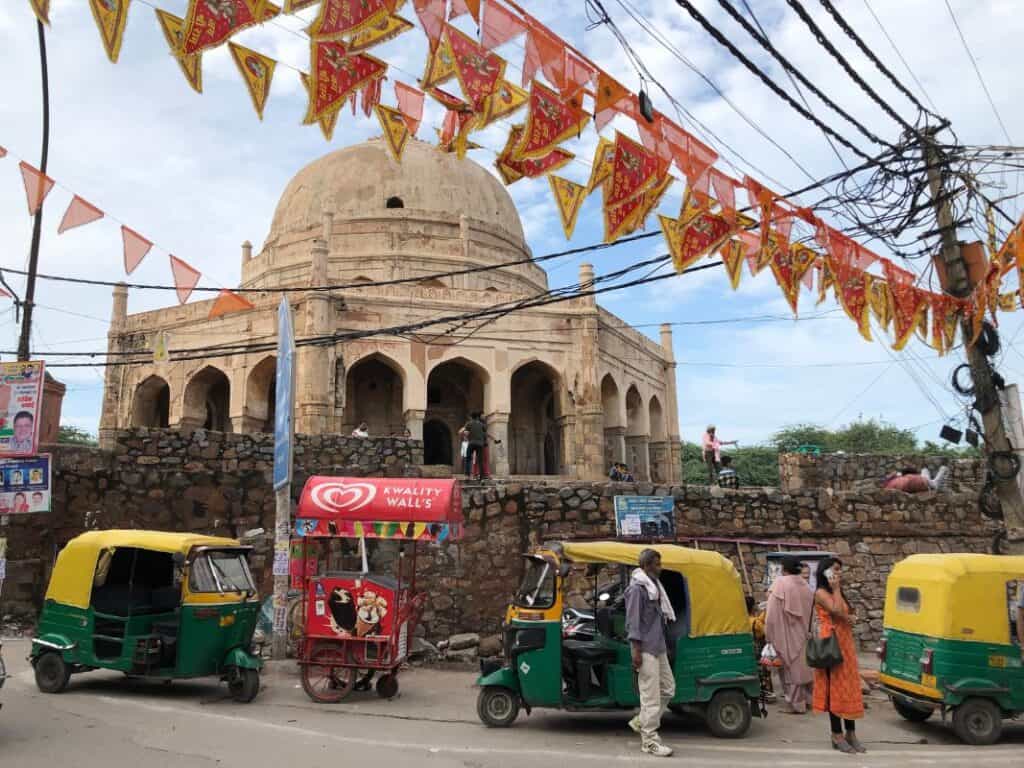
Bhool Bhulaiya is the tomb of Adham Khan, and it has an interesting history. Adham Khan was the foster brother of Mughal ruler Akbar. Adham Khan’s mother was Akbar’s wet nurse and very influential with the emperor.
But the tomb is a lasting testament to betrayal. When Akbar appointed Adham Khan’s rival Ataga Khan as Prime Minister, Adham was enraged and murdered Ataga Khan in Agra Fort. Akbar was furious and ordered the execution of Adham Khan.
Adham Khan’s mother was so consumed by grief she died 40 days later. Akbar was distraught and ordered the construction of this tomb to house both of their graves. The design is purposely plain and designed more in the Lodi and Sayyid style, fitting for Adham Khan’s status as traitor.
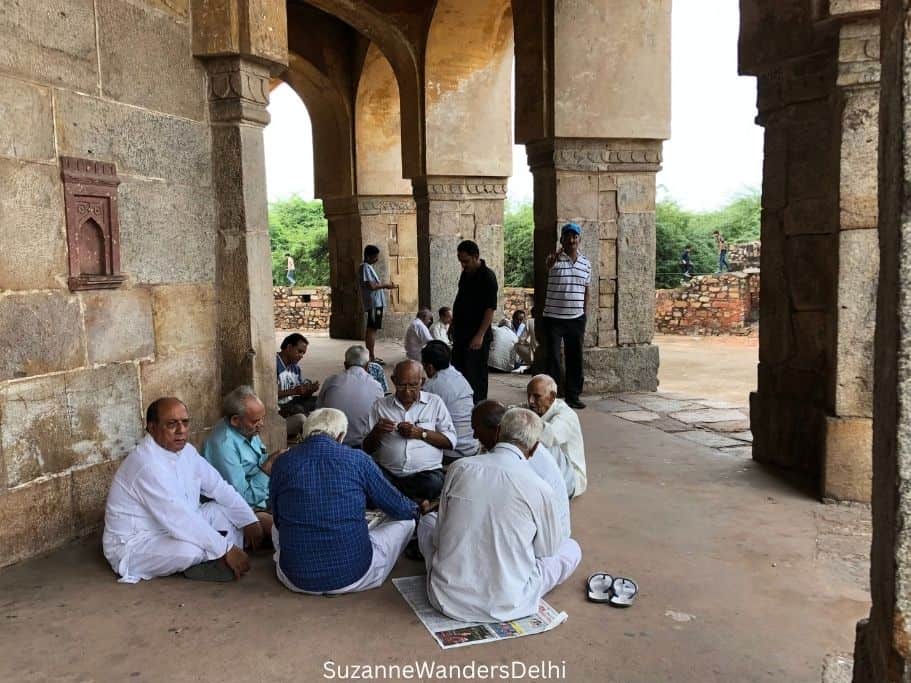
The tomb is located on a busy corner of Kalka Das Marg and Bhool Bhulaiya, across from the Mehrauli bus station. Don’t be surprised if you see men playing cards and gambling – there was a group of them when I visited.
History of Mehrauli Urban Village
Mehrauli Village dates back to the 11th century. After the Sufi saint Qutbuddin Bakhtiyar Kaki settled here in the 13th century the village grew significantly. Followers of the saint and rulers moved here to be close to the saint’s dargah. The dargah is still a very important and revered site in Mehrauli Village.
During the Mughal period Mehrauli became a retreat for the royal family. Jahaz Mahal and Zafar Mahal were built here, along with many tombs, mosques and other historic buildings. Many of these are still standing today.
What to See Near Mehrauli Urban Village
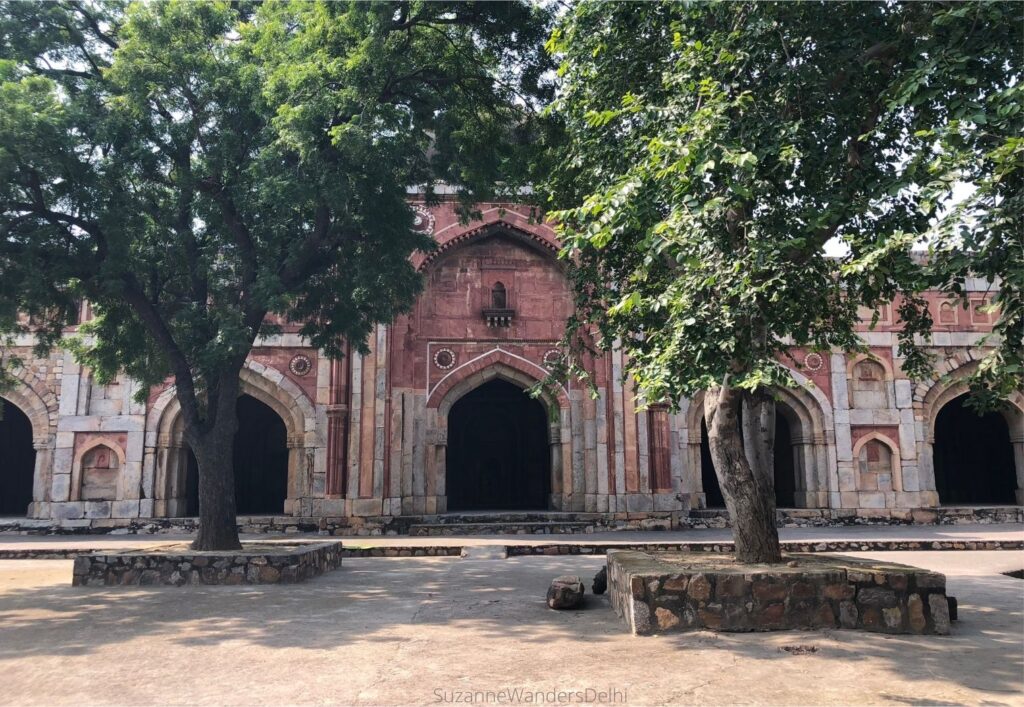
This is the most historic part of Delhi and there are several important and interesting sites very close to Mehrauli Urban Village.
You could easily make a day of it by seeing the Qutub Minar (UNESCO), having lunch, then exploring the Archeological Park and last the village. That would be a full-on day, but a great one.
- Qutub Minar (UNESCO): Group of monuments mostly from the Delhi Sultanate period.
- Mehrauli Archeological Park: Heritage park/forest with some absolutely stunning monuments.
- Dadabari Jain Shwetambar Mandir: Beautiful Jain temple.
- Yogmaya Temple: Very old temple dating back to the time of the Mahabharata, about 5000 years.
- Dastkar Nature Bazaar: Outdoor cultural craft market.
Where to Eat Lunch
I’ve never eaten right in Mehrauli Village except for some Afghan style bread at one of the street stalls, but there’s some really good restaurants just up Kalka Das Marg across the street from the Qutub Minar.
I really like Grammar Room (I think it’s the best cafe in Delhi) and Olive Bar & Kitchen.
How to Get to Mehrauli Urban Village
The best ways to get around Delhi are by metro, Uber, auto rickshaw, or any combination of these. All are cheap and reliable in Delhi. The metro is excellent – don’t be nervous about taking it.
If taking the metro, it’s best to take it to Chhatarpur station (Yellow line) and take an auto rickshaw from the station to Jahaz Mahal. The same for Uber, take it to Jahaz Mahal and walk from there.
If you’re visiting the village from Mehrauli Archeological Park, see if you can enter the village the backway on the dirt lanes. You should end up by Gandhak ki Baoli.
From the Qutub Minar it’s best to take an auto rickshaw to Bhool Bhulaiya and walk into the village from there.
Where to Stay in Delhi
If you’re visiting Mehrauli as part of a longer Delhi trip, these are some of my favourite places to stay. In Delhi, where you stay matters. Not only because the city is massive and you want to be near the sites, but also in terms of safety.
- Imperial Hotel New Delhi (luxury): Delhi’s finest heritage hotel and my personal favourite. Excellent walkable area in Connaught Place.
- Lutyens Bungalow (mid-range): Heritage boutique property in one of the best areas of the city next to Lodhi Garden. Breakfast is included.
- Prakash Kutir Bed & Breakfast (budget): Family run guest house in a residential area, near the metro and easy to explore the whole city from. Home-cooked breakfast is included.
Last Words on What to See in Mehrauli Urban Village
The urban village of Mehrauli is way off the beaten path, but you’ll be rewarded by seeing some remarkable historic sites that very few visitors see. I’ve brought Delhiites here too and even they were surprised.