Culture of Delhi: A Primer for Visitors

The culture of Delhi is a true melting pot. Thousands of years of history, refugees, migrants and colonization have all left their mark on the city, resulting in a rich cultural tapestry.
In fact, the cultural blue print of Delhi is considered so unique the city is on the UNESCO World Heritage tentative list. I live in Delhi and this is what I have learned from my years in the city.
Culture of Delhi: Quick List
If you’re in a hurry, here is a quick rundown:
- History: site of 8 historic cities
- Language: predominantly Hindi, but lots of English
- Religion: Hindu, Muslim, Christian, Jain, Buddhism
- Food: diverse; known as the food capital of India
- Major Holidays: Diwali, Holi, Navratri, Republic Day
- Films about Delhi: Delhi-6, White Tiger, PK, Delhi Belly
- Books about Delhi: City of Djinns (William Dalrymple); Delhi: A Novel (Khushwant Singh)
Brief History of Delhi
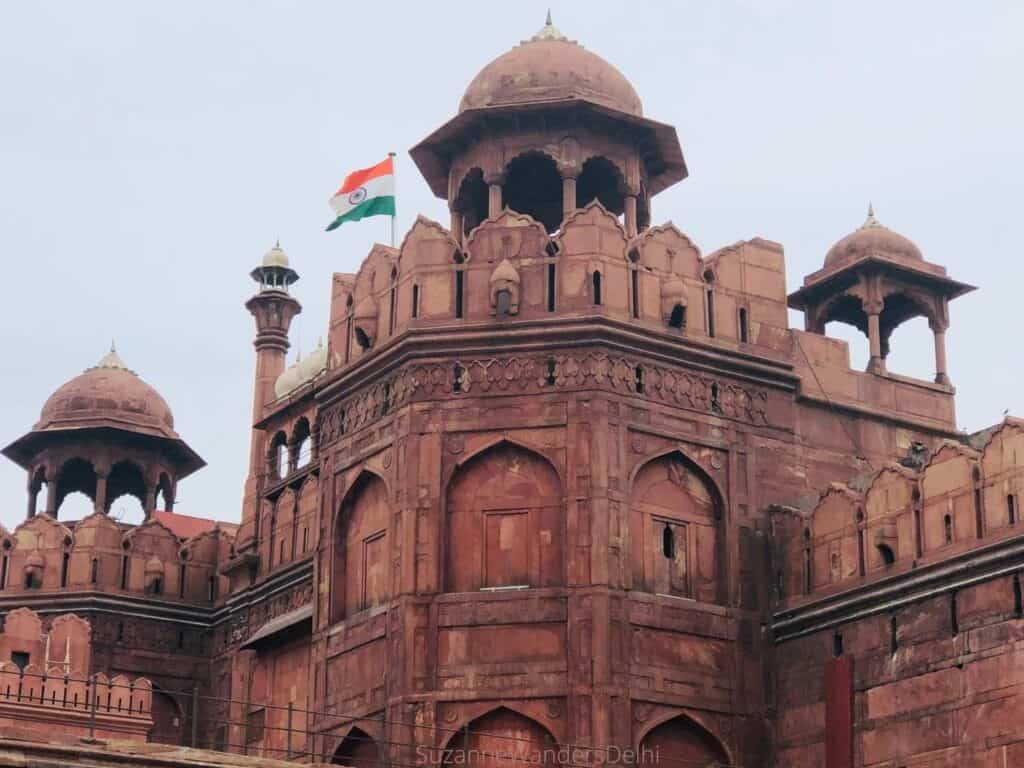
Delhi has been continuously occupied for 3,000 years and is the site of 8 historic cities.
The earliest known settlement dates back to around 6th century BC when it was known as Indraprastha. Over the years Delhi has been ruled by various dynasties, the longest of which were the Tughlaqs and Mughals.
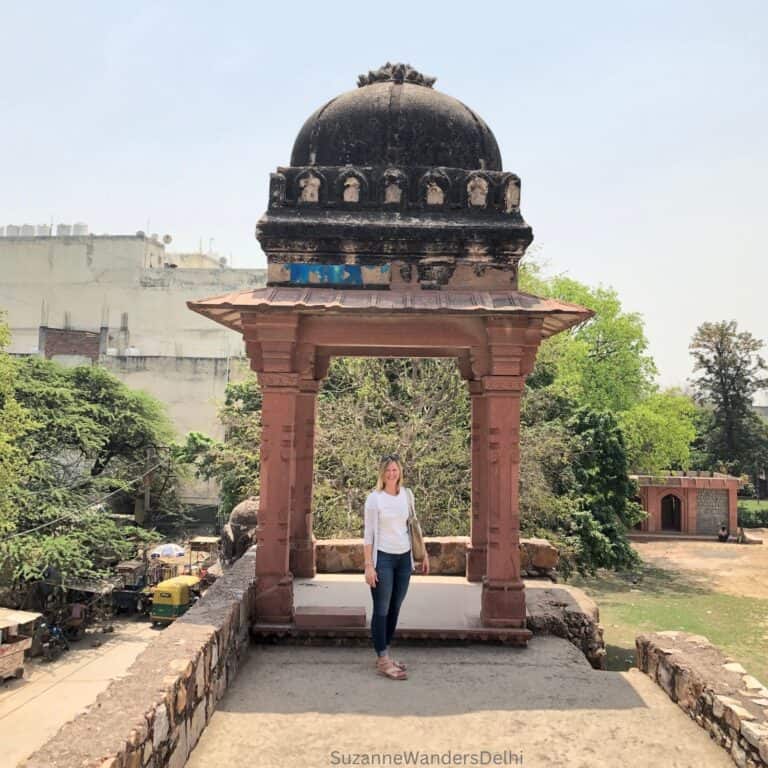
Many of the forts, mosques and mausoleums they left behind are still standing.
In 1857 the British colonized India and exiled the last Mughal ruler, Bahadur Shah Zafar, to Burma (now Myanmar). The capital shifted back to Delhi from Kolkata, and the British began to build a new city, New Delhi.
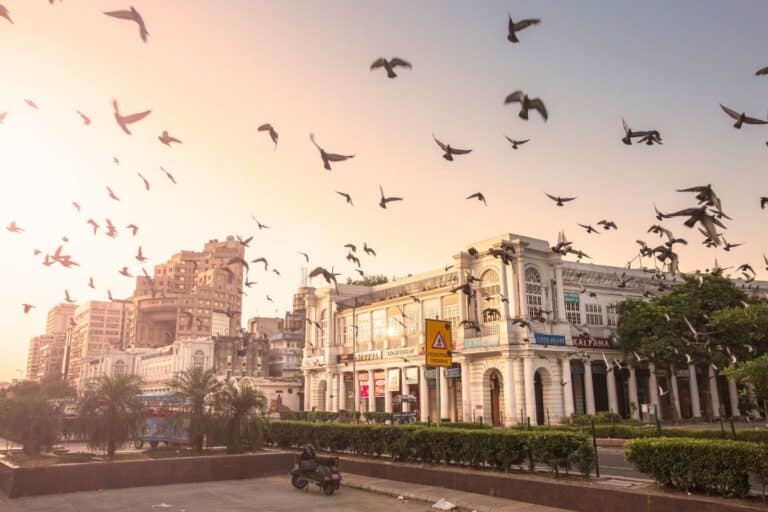
In stark contrast to Old Delhi, New Delhi was designed with wide open boulevards, large parks and colonial style buildings. The best examples of these today are Connaught Place and Rashtrapati Bhavan.
India gained independence in 1947 and immediately experienced Partition (the division of India to become India and Pakistan). This was the defining moment when Delhi became Delhi as it is today. Thousands of Muslims fled the city as Sikh and Hindu refugees poured in.
Delhi city grew rapidly and neigbourhoods sprang up to meet the demands of the growing population. Today it is home is to 33 million people.
Language Culture of Delhi
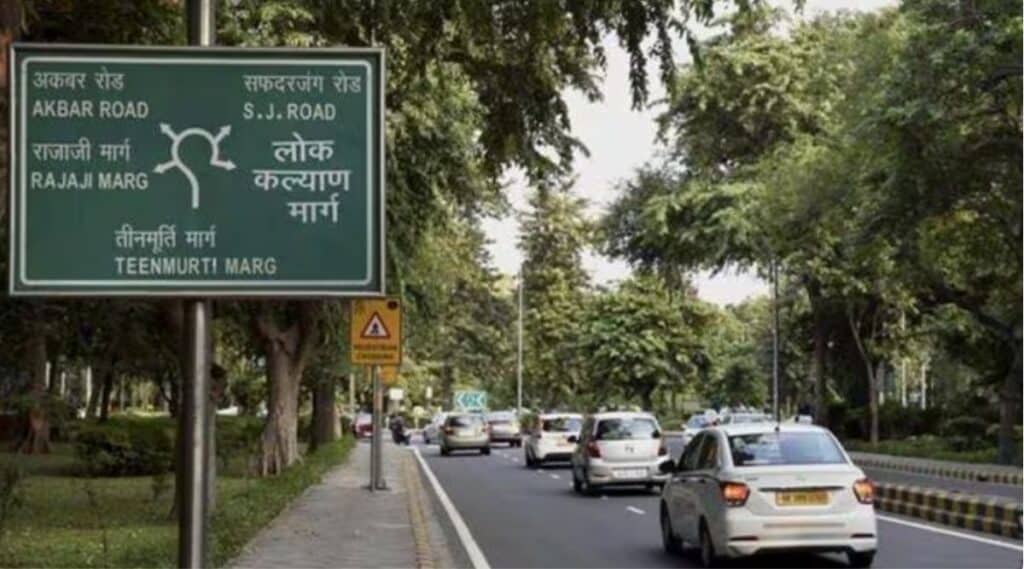
The official language of India and the predominant language in Delhi is Hindi. About 80% of the population of Delhi are Hindi speakers. Punjabi, Urdu, Bengali, Marathi, Gujarati and Tamil are all official languages of India and can also be heard in the city.
English is the most common foreign language and widely spoken in Delhi. English speakers will have no problem communicating in Delhi, however be aware that those with limited education (maids, labourers, delivery persons, Uber drivers) may not speak much English.
Most signage, government websites and the Delhi metro is in Hindi and English.
Religion and Spirituality Culture of Delhi
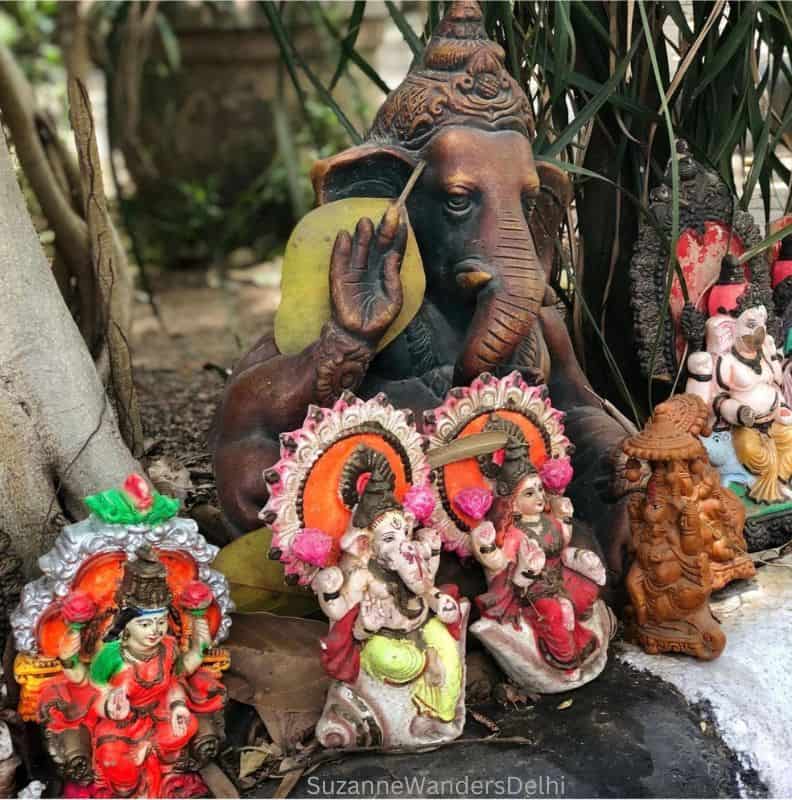
India is a deeply spiritual country and Delhi is no exception. Religion is part of everyday life for Delhiites. As a visitor it is impossible to escape the spiritual side of Delhi – it’s an integral part of the culture.
Apart from the hundreds of temples, you’ll notice shops and restaurants with pictures of gods and saints on their walls (usually draped in fresh marigold garlands), ‘holy’ trees wrapped in colourful dupatas and flowers, and images of deities by roadsides and on boundary walls.
Some of Delhi’s most visited sites are religious, such as Akshardham Temple, Bahai Lotus Temple, Gurudwara Bangla Sahib and Old Delhi’s Jama Masjid.
Religious Demographic in Delhi
While Delhi is predominantly Hindu (about 80%), there are large Islamic (over 10%) and Sikh communities (over 4%). There are also Jains, Buddhists and Christians. Sikhism and Jainism originated from Hinduism.
Delhi has been a largely pluralist society, but this is now considered endangered. The current government has adopted a nationalist Hindustan policy, resulting in discrimination against Muslims and other minority groups.
Festivals and National Holidays in Delhi
The culture of Delhi is diverse, and throughout the year a number of festivals are celebrated with great enthusiasm.
Practically every day of the calendar can be devoted to a god or saint, but these are the major festivals and holidays in Delhi:
1. Diwali
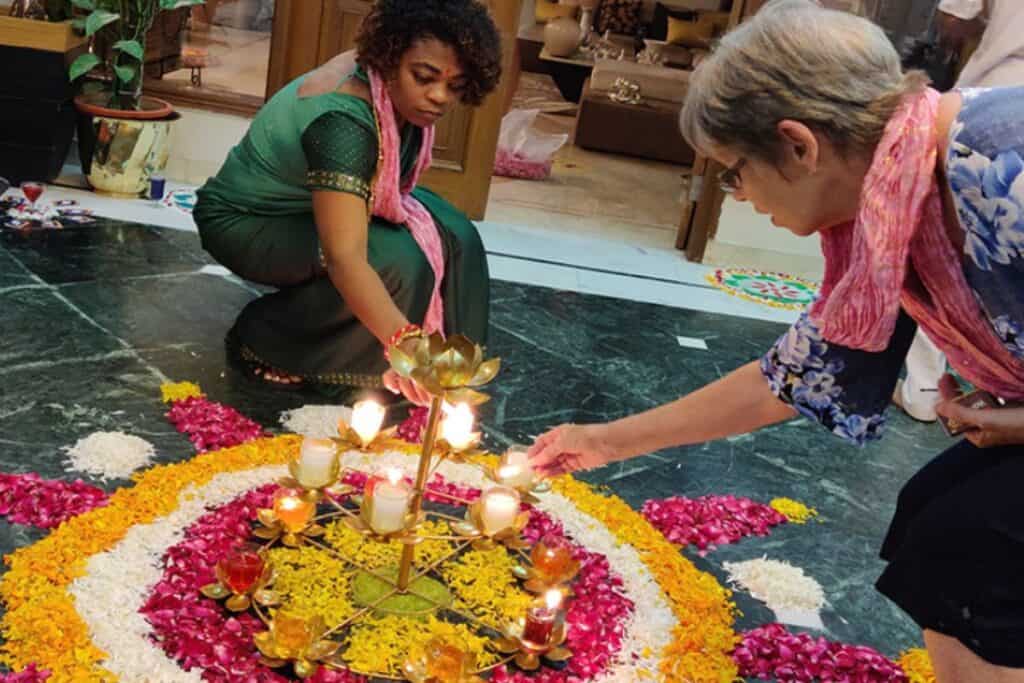
Also known as the Festival of Lights, Diwali is the biggest religious festival in Delhi. Basically, it’s India’s Christmas.
Diwali is a five day festival that celebrates the triumph of good over evil. People decorate their homes with colourful lights, exchange gifts and sweets, and light fireworks.
Like most religious holidays in India, it is based on the lunar calendar and dates change year to year, but it falls in October or November. While this is mainly a family holiday, visitors can also celebrate Diwali.
2. Holi
Holi is India’s most joyous religious festival. Known as the festival of colour, it is celebrated by people throwing and smearing each other with bright, coloured powders.
The holiday is in February or March of each year and lasts one night and one day. The religious rituals take place the night before the colour fights.
It’s a fun time to be in Delhi but because of the copious amounts of alcohol consumed, women need to exercise caution on how and where to celebrate Holi.
3. Navratri and Dussehra
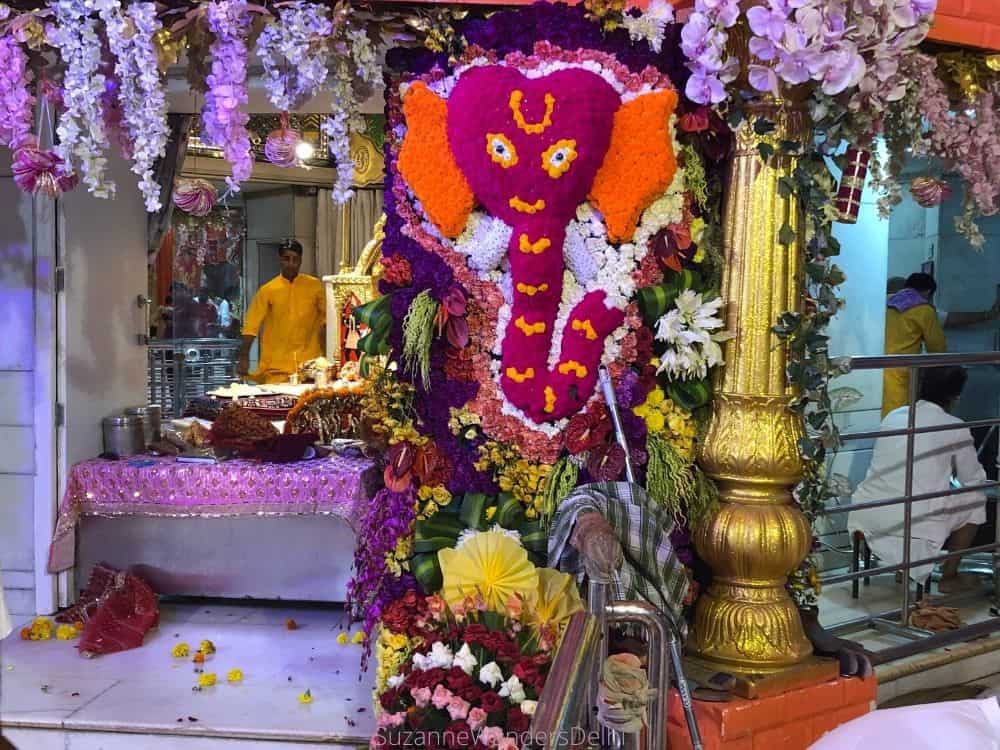
Navratri is a Hindu religious festival that lasts 9 days. Each day a different form of the Goddess Durga is worshipped.
Like almost all Hindu festivals, it celebrates the victory of good over evil. Dussehra is the 10th day when giant effigies of the demons Ravana, Meghnada and Kumbhakarna are set alight while people chant Jai Shree Ram.
Most Hindus and many Sikhs follow a strict diet during Navratri and do not eat meat, onions, garlic, wheat or rice flours, table salt and eggs. In fact, many Delhi restaurants offer special Navratri menus and meals during this festival.
Navratri is celebrated twice a year, in March-April (Chaitra) and September-October (Ashwin). Ashwin Navratri is the biggest one.
4. Durga Puja
Durga Puja is an exuberant five day festival devoted to the Goddess Durga. It celebrates the victory of good over evil as Durga kills the evil demon king.
Although Durga Puja is celebrated primarily by Delhi’s Bengali community, all of Delhi enjoys visiting the wonderful pandals (religious displays) built just for the festival, and sampling the specialty foods.
It’s easy for visitors to celebrate Durga Puja in Delhi. Durga Puja always begin during Navratri, but unlike the fasting and austerity that is associated with Navratri, Durga Puja is full of feasting and celebrating.
5. Eid-ul-Fitr
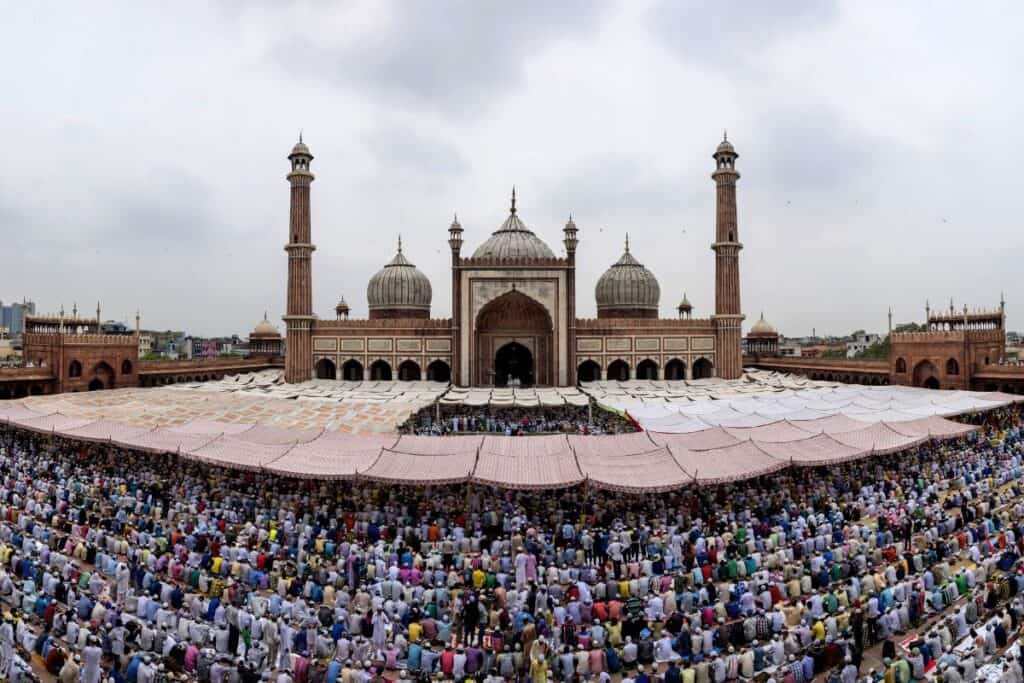
Delhi is a multi-cultural city with a sizeable Islamic population. The city has large celebrations to mark Eid-ul-Fitr, the end of Ramadan (the holy month of fasting). On this day families gather to pray, exchange gifts and feast once the fast is broken.
Delhi has many beautiful mosques, but the Jama Masjid in Old Delhi is truly a special sight on Eid. Thousands come to offer prayers, and afterwards surge into the lanes and markets of Old Delhi to feast on street food and celebrate.
6. Christmas
It might surprise you to know that Christmas is widely celebrated in Delhi. Christmas decorations are all over the city in the month of December.
Bakeries sell plum puddings, the diplomatic community organizes Christmas markets, and you can eat a proper Christmas dinner at a number of Delhi’s famous restaurants.
December 25th is not a national holiday the way it is in North America and much of Europe, but the Christian population do celebrate by attending church, exchanging gifts and enjoying Christmas dinner with family and friends. Delhi has many churches you can visit at Christmas.
7. Republic Day
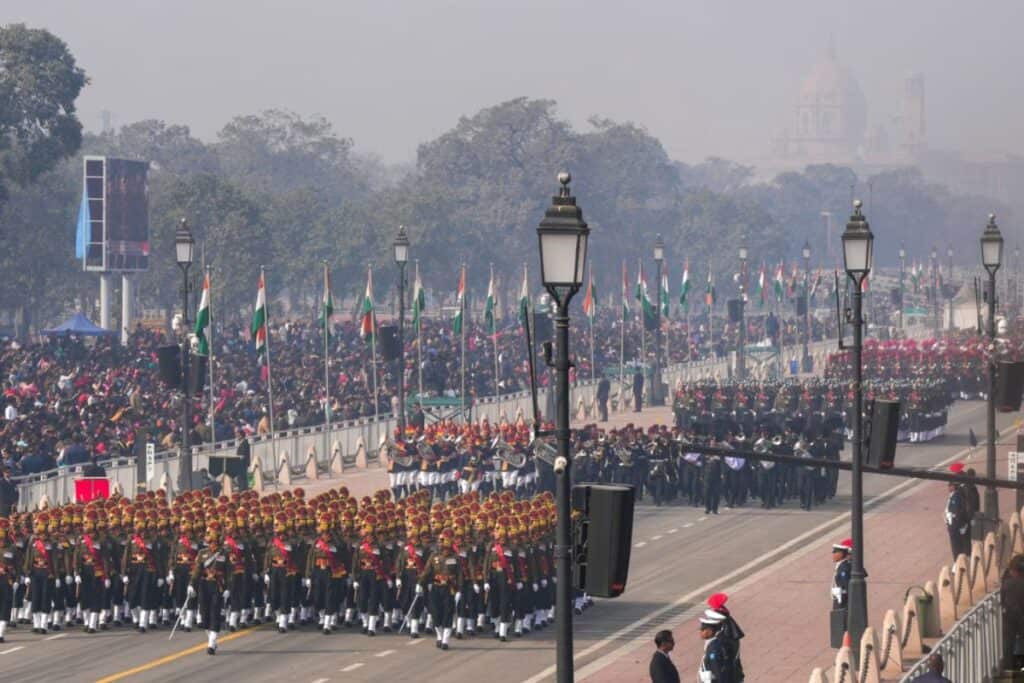
Republic Day is a national holiday on January 26th each year. It commemorates the day India adopted its constitution in 1950 and become a sovereign nation.
A massive military parade is held annually that starts at Rashtrapati Bhavan (the President’s residence) and ends at India Gate.
The parade is a huge deal and tickets are highly sought after. Having tried for a couple of years myself to get tickets through the regular channels (registering online, lining up to purchase them at one of the state bhavans), I can honestly say the best way to get a ticket is to know someone who works at one of the embassies.
8. Independence Day
Independence Day is August 15th each year. It is the day India gained independence from British rule in 1947. The Prime Minister makes an annual address to the nation from the Red Fort after he symbolically raises the flag of India.
There are a number of special events on this day, like kite flying competitions and cultural performances. It’s a huge, celebratory day in Delhi with special events at India Gate, Red Fort (UNESCO), Chandni Chowk and Dilli Haat.
Food Culture of Delhi
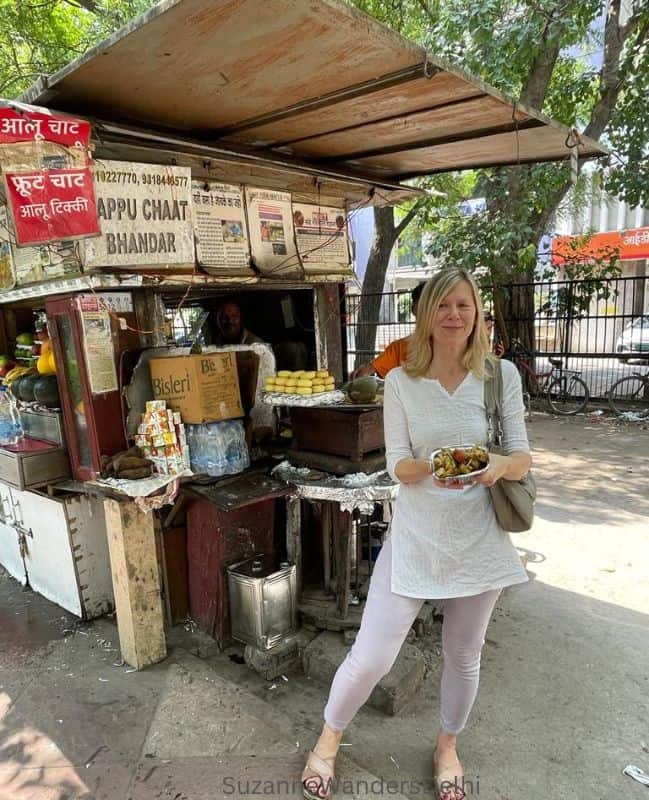
Thanks to the cultural diversity of Delhi, the food scene is amazing. In fact, Delhi is known as the food capital of India.
Mouthwatering kebabs from the north, South Indian dosas, fragrant biryanis, crispy jalebis, chaat (savoury snacks) – Delhi has it all.
Delhi is most famous for its street food. Stands can be found all over the city: in markets, outside metro stations and office buildings, on street corners, beside monuments and parks.
Chai walas set up shop in the mornings and serve chai for INR 10, and at lunch you’ll see many office workers eating food from their favourite stand. Street food is fresh, delicious and cheap – how can 33 million people be wrong?
Here are the best places to eat in Old Delhi, considered the epicentre of the food scene.
Wedding Season is Part of the Culture of Delhi
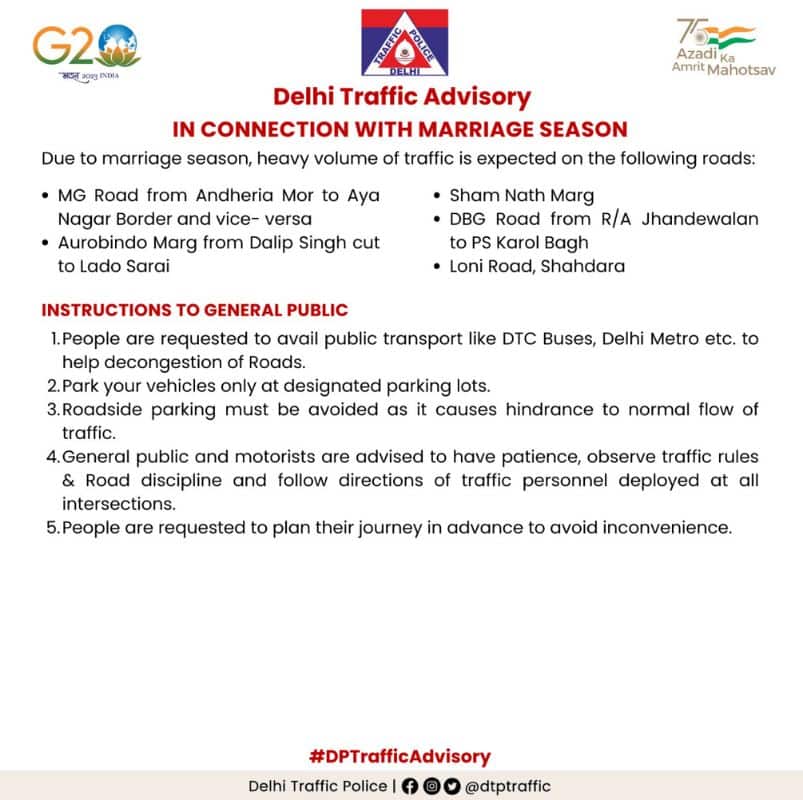
In Delhi there is a wedding season. Wedding season starts in October and ends in February.
Within wedding season there is an auspicious window for marriages which astrologers pre-determine. During this auspicious time there can be as many as 40,000 weddings in one day.
During wedding season you’ll see homes draped in hundreds of lights, outdoor kitchens set up in driveways and wedding processions complete with grooms on white horses accompanied by traditional drummers.
Art, Music and Dance Culture of Delhi
Art, music, and dance is an important part of the culture of Delhi and reflect its cultural tapestry.
Dance & Music
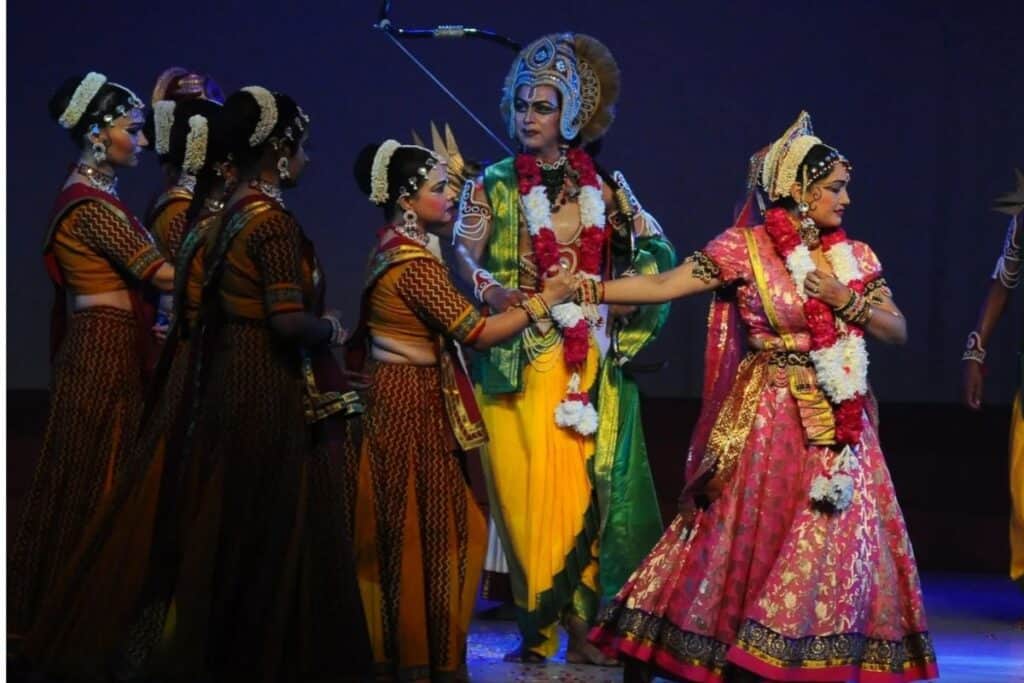
The traditional music of Delhi is called Gharana, a unique blend of classical Hindustani (classical Indian) and Sufi (devotional music of the Sufi discipline of Islam) music.
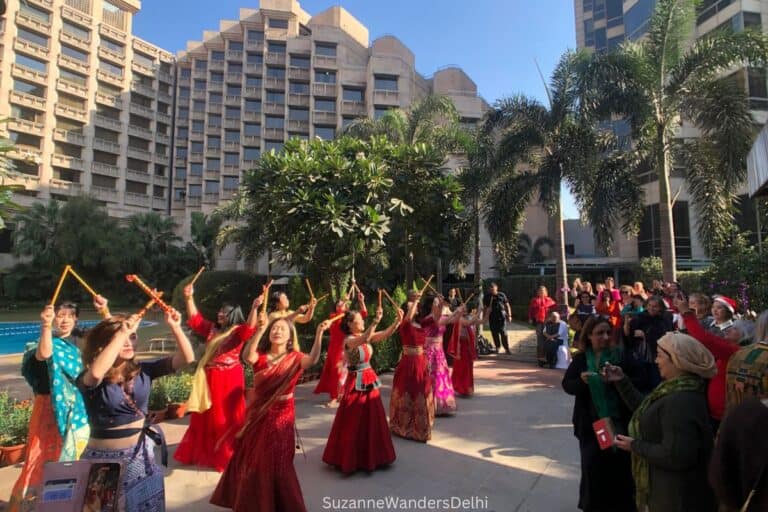
Because Delhi’s is the nation’s capital and home to so many Indians from each corner of the country, dance forms from all over India are seen in the city. Kathak, Bharatnatyam, Bhangra and even Bollywood styles are performed and practiced.
Venues such as Kathika Cultural Centre, Stein Auditorium, Kamani Auditorium, LTG Auditorium and Shri Ram Centre for Performing Arts regularly hold performances of these traditional art forms.
Visual & Folk Arts Culture of Delhi
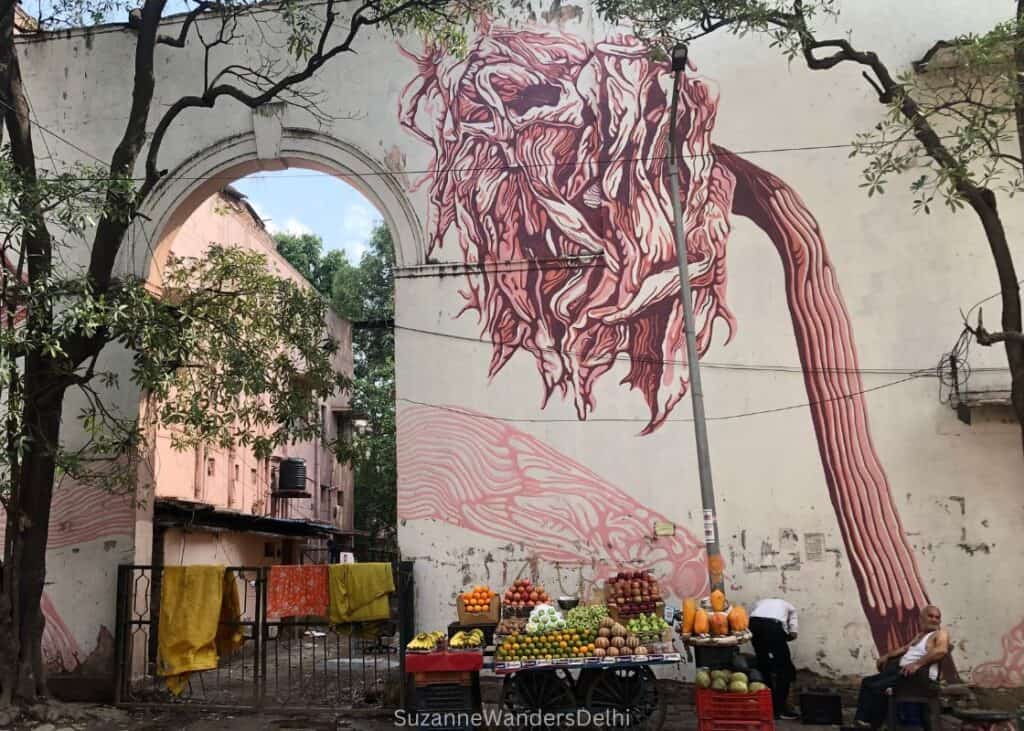
Delhi has a thriving arts scene and hosts an annual arts festival every winter. It is also home to India’s first outdoor art district in Lodhi Colony and world class art galleries.
Venues like Bikaner House and DAG take a special interest in promoting Indian artists.
India has a strong history of folk and tribal crafts and the government of India is committed to preserving these traditions.
Delhi has several sites which work to help villagers preserve and promote their crafts such as National Crafts Museum and Hastkala Academy and Dastkar Nature Bazaar.
Social Culture and Etiquette in Delhi
As a visitor to Delhi, it’s a good idea to familiarize yourself with local social customs and etiquette. Understanding and respecting these cultural nuances will help you connect with locals and enjoy your stay more.
Greetings and Introductions
- namaste is the common greeting in Delhi, accompanied with placing both hands together and a slight bow
- men should not shake hands with Indian women
- elders and superiors are greeted first and addressed as Sir or Madam
How to Dress in Delhi
Delhi is becoming more Westernized, but conservative dress with shoulders, cleavage and legs covered is still appropriate, especially at spiritual sites. Short, tank tops and super tight clothes will elicit unwanted attention
In lounges and night clubs the dress code is much more relaxed.
Read more about what to wear in Delhi.
Dining Etiquette
Some Delhiites eat with their hands. A spoon is often used instead of a fork and knives are not usually put out. When accepting food use your right hand (same goes for money), and finish everything on your plate. There is extreme poverty in India and wasting food is frowned upon.
I once threw out a more than half full serving of street food, and a man gently scolded me – telling me I should have left it for the poor. Of course, he was right.
Punctuality and Queuing
Delhiites are notorious for being late, especially when it comes to social plans. Business appointments should be more punctual, but if you are meeting Delhi friends expect them to be late.
Orderly queuing is not a thing in Delhi – if you stand back patiently and wait your turn someone will butt in front of you. You have to be a little aggressive or you’ll never get served.
Communication
Here are a few nuances:
- ‘I will try’ usually means no
- a bobble head movement of the head means yes
- Indian men hold hands as a sign of friendship
- pointing with one or two fingers is considered rude, use your whole hand to point
- use your right hand to exchange money
- elders are often referred to as Auntie or Uncle
- public displays of affection are not appropriate (hand holding is now okay)
Movies and Books about Delhi that Reflect the Culture
Delhi is the setting of countless books and movies. You can discover a lot about the culture of Delhi this way! These are some of my favourites.
Movies About Delhi
- White Tiger: A satirical but serious examination of class structure in Delhi, based on the book by Aravind Adiga.
- Delhi Belly: Hilarious comedy mostly in English – a classic.
- Delhi-6: Family drama filmed in Old Delhi that really captures the essence of the old city.
- PK: Classic comedy about an alien who ends up in Delhi.
- Delhi in a Day: Serious movie about class structure in Delhi . Some fantastic scenes of the city.
Books about Delhi
- Midnight’s Children (Salman Rushdie): Follows a group of children born at the exact moment of India’s independence.
- City of Djinns (William Dalrymple): A look at Delhi’s historic and mystical side by this amazing author and historian.
- Delhi: A Novel (Khushwant Singh): A look at how Delhi’s history has shaped the city of today.
- Delhi Adventures in a Mega City (Sam Miller): An intimate exploration of Delhi.
Last Words on the Culture of Delhi
Delhi is the sum of thousands of years of history in architecture, music, art, food and people. It is not just a city – it’s a living kaleidoscope.
Exploring the culture of Delhi will captivate and astound you. Come and find out why the most famous saying about Delhi is ‘Dilwalon ki Dilli’ (Delhi belongs the big-hearted).