Delhi Gate: One of the Last Mughal Gates Guarding Old Delhi

Old Delhi used to be a walled city called Shahjahanabad, with 13 gates. Today four gates remain, and Delhi Gate is one of those.
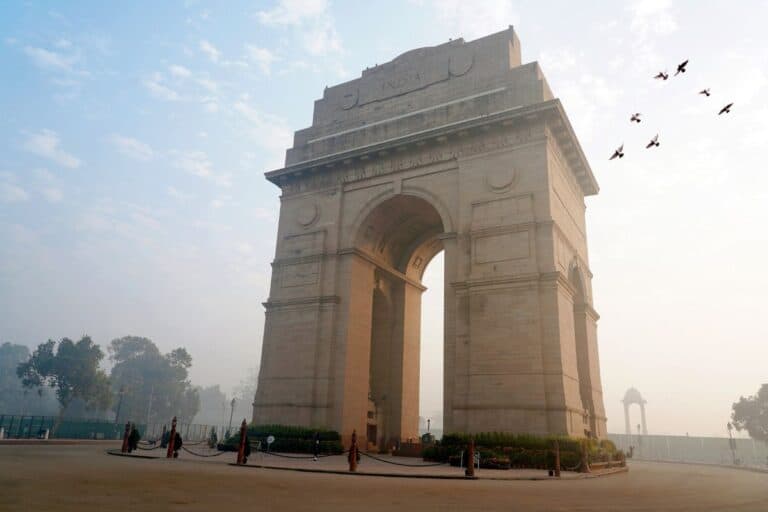
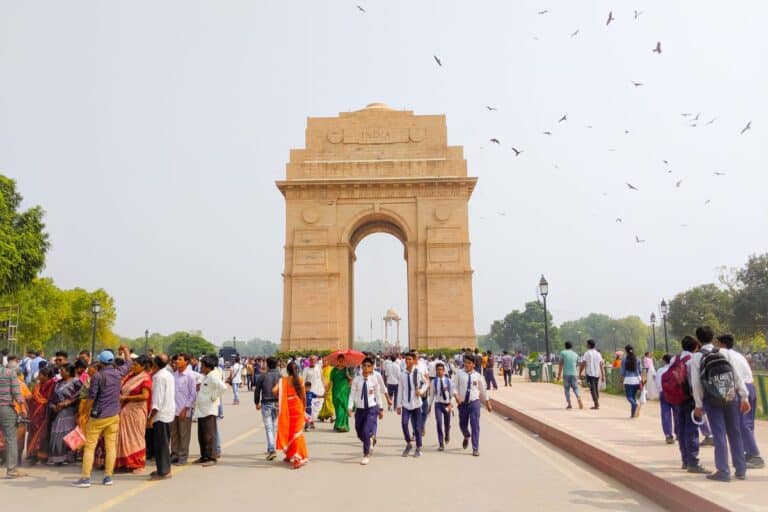
Tourists sometimes confuse Delhi Gate with India Gate, but they are completely different. India Gate is a huge war memorial in the centre of New Delhi. Delhi Gate is a historic gate that formed part of the walled old city and is located in Old Delhi.
The remaining gates are in remarkably good condition, given their age and the location conditions. They have mostly remained under the radar, blending in with the congestion of Old Delhi.
Visiting Delhi Gate: Overview
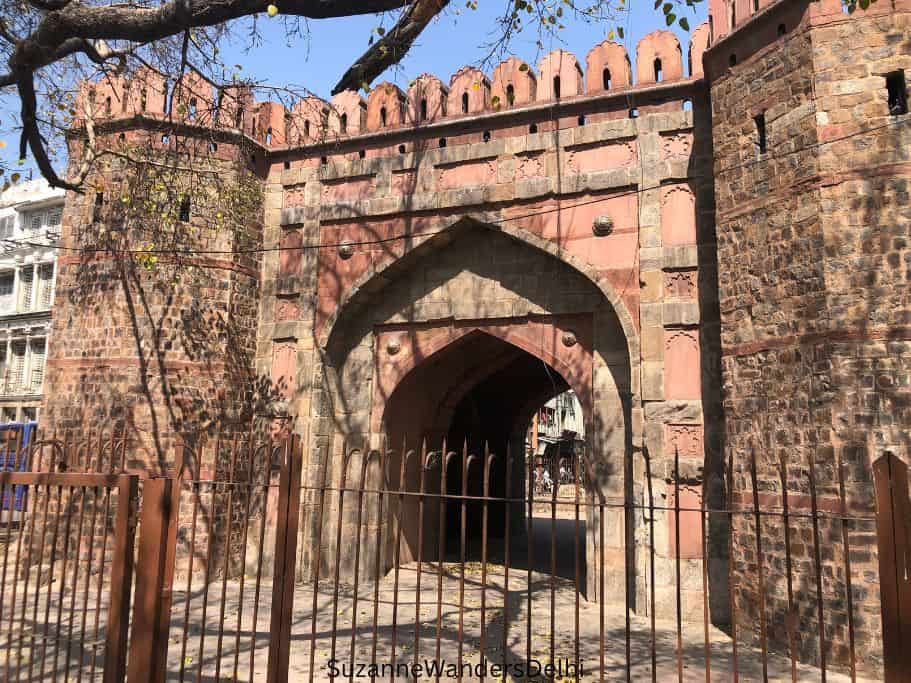
Delhi Gate is a significant historic site that does not receive the recognition or protection it deserves. It sits in the middle of a busy street, surrounded by traffic and people, but few visitors.
Do not confuse this Delhi Gate with the one at the Red Fort. This is the one that formed part of the defensive wall around Shahjahanabad. If you look to the right of the gate (from the side in the photo above) and across the road, you can see more of the old city wall.
I wouldn’t make a special trip just to see the Delhi Gate since it’s fenced off, but I would include it when seeing other things in the area, like the Gandhi memorial Rajghat, or the Daryaganj Sunday Book Market.
- Location: Netaji Subhash Marg, Daryaganj
- Hours: 8:00 am – 6:00 pm, but it’s currently fenced off (can be clearly seen from the fence)
- Free
What To Expect
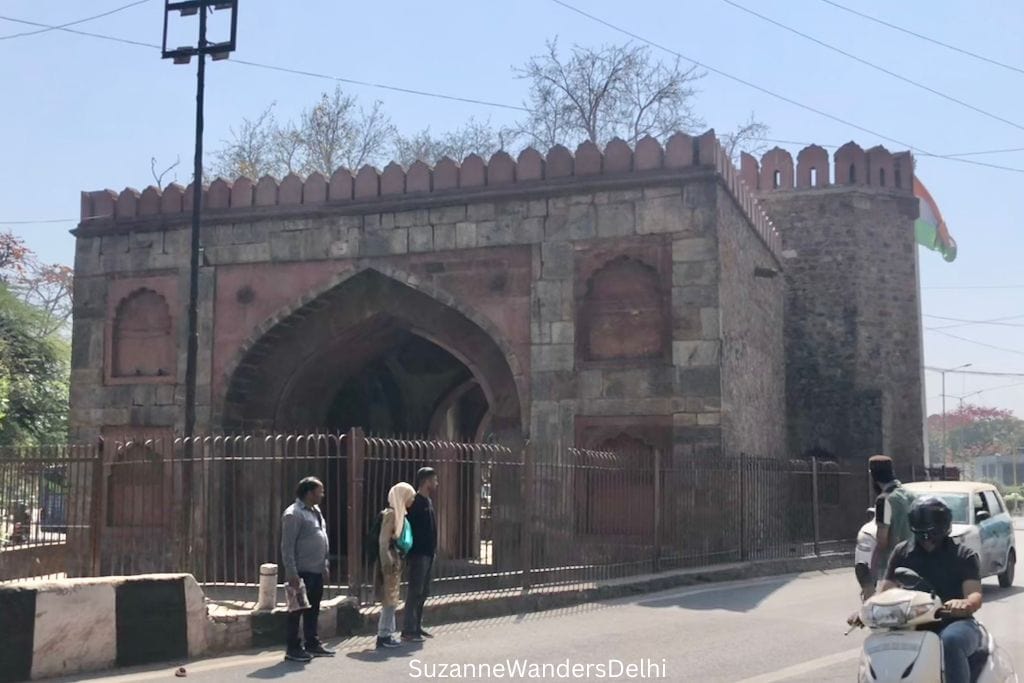
Delhi Gate is not officially a tourist site, and there’s no nice entrance. It sits on a traffic island (it basically is the traffic island), and to access it you will have to cross busy Netaji Subhash Marg. Keep in mind there’s no toilets or facilities.
It’s been gated off for a few years, but you can still get very close to it – the site is small. You can see it thoroughly in less than 30 minutes.
This area of Delhi is gritty and noisy, so try to go early in the morning when it’s calmer. Don’t go at night, it’s not the best part of town.
Delhi Gate History
Delhi Gate was built in 1638 by Shah Jahan, the Mughal ruler who built the Red Fort, the Jama Masjid and the Taj Mahal.
It was one of 13 gates that formed part of the wall surrounding the city of Shahjahanabad. These gates were enormously important, they controlled everyone and everything that entered and exited the city.
Each gate opened onto a road leading to an important city or location. Delhi Gate faced the road leading toward the older city of Delhi, while Kashmiri Gate led to Kashmir and Ajmeri Gate toward Ajmer. These were important trade routes in Mughal times.
Today only four of the original gates remain: Delhi Gate, Kashmiri Gate, Ajmeri Gate and Turkman Gate.
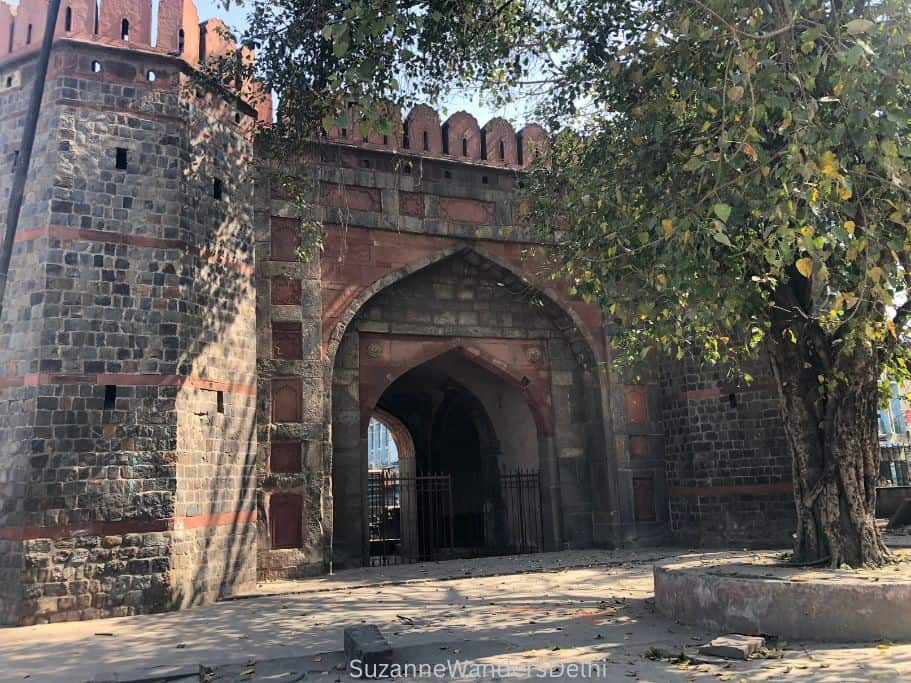
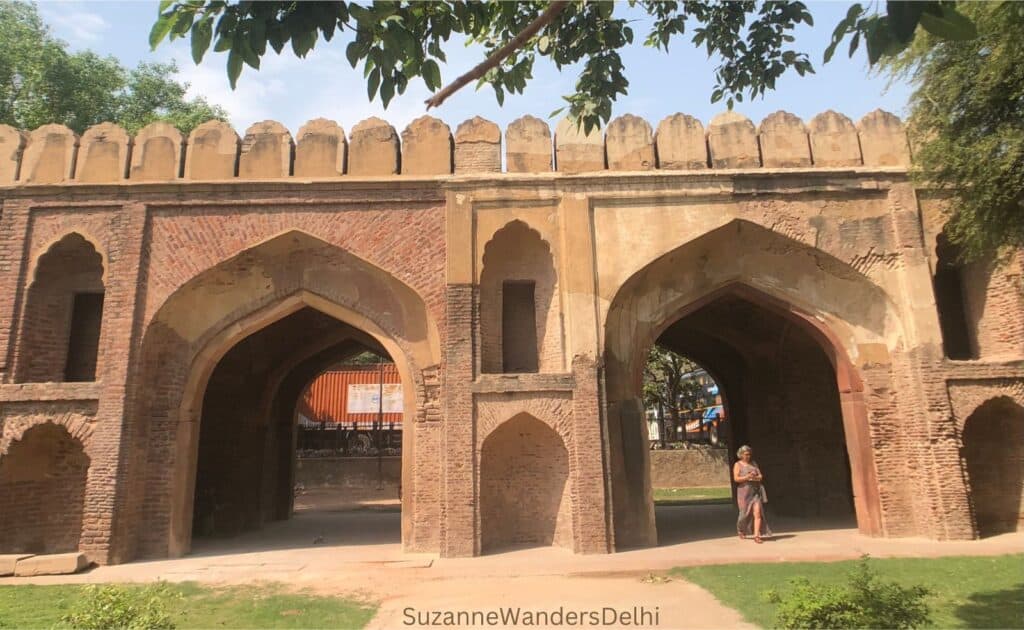
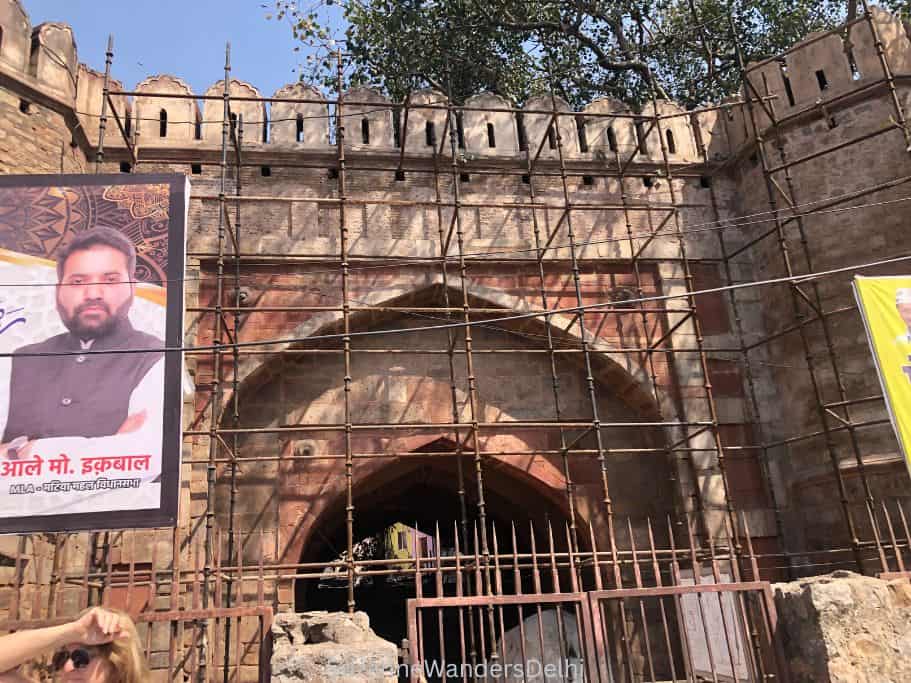
Historic records indicate all 13 gates were still standing in 1911, when the capital moved back to Delhi from Kolkata. Since then most of the historic wall has been torn down, and 9 of the gates were either demolished for new construction or fell to ruin.
Quarters for guards and sentry points were set up inside Delhi Gate. During the Rebellion of 1857, the British stored ammunition in the Gate. Unfortunately, the interior of Delhi Gate is not accessible to the public at the moment.
Delhi Gate has its share of folklore. The bodies of two criminals are believed to be buried in the foundation of the Gate. This practice was not uncommon during Mughal times. It’s also believed to be haunted by the spirits of at least three women.
How To Get To Delhi Gate
The best way to get there is by Delhi metro. Delhi Gate is less than 500 metres from the Delhi Gate metro station (Violet line, exit Gate 3). The metro is excellent – don’t hesitate to use it.
Uber and auto rickshaws are also very widely used in Delhi, but this area is extremely congested and the metro is the best option.
Where To Stay Near Delhi Gate
Delhi Gate is located is a noisy and congested area. I don’t recommend staying there. Instead, stay at one of these hotels in Central Delhi. They are all great for sightseeing, and you’ll still be close to Delhi Gate.
- Imperial Hotel New Delhi (luxury): Delhi’s finest heritage hotel. My personal favourite hotel in Delhi. Excellent walkable area in Connaught Place.
- Hotel Palace Heights (mid-range): Excellent location in the centre of Connaught Place. It’s busy in the day but quiets down later at night.
- CP Villa Bed & Breakfast (budget): Rooms are simple, but clean and comfortable with private bathrooms. Quiet location near Gol Market.
Last Words on Delhi Gate: One of the Last Mughal Gates Guarding Old Delhi
Delhi Gate is one of the few remaining original Mughal gates guarding Shahjahanabad. The next time you are in the area, make a detour to see it. These gates have an important place in the history and stories of Old Delhi.