Instead of Old Delhi, Visit Nizamuddin Basti

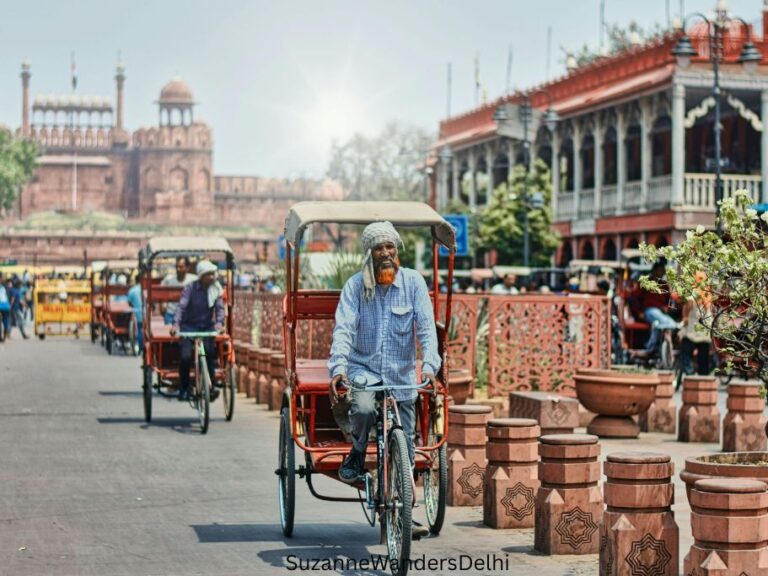
Old Delhi is on almost every Delhi itinerary, but it takes time to see. It’s also congested and dirty, and many visitors find it overwhelming. If your time is limited or you want something less intense but still historic, visit Nizamuddin Basti instead of Old Delhi.
Nizamuddin Basti is just as fascinating as Old Delhi and it’s even older. There’s centuries-old tombs, a historic stepwell, a famous Sufi shrine and evening qawwali singing. The main sites are in a much smaller area, so you can explore the basti in a couple of hours instead of spending most of the day in Old Delhi.
Nizamuddin Basti also gives you a very different side of Delhi. Instead of Mughal era markets and monuments, you’ll find a living Sufi neighbourhood built around the shrine of a powerful saint, with centuries of religious history, legends and traditions.
Visit Nizamuddin Basti Instead of Old Delhi
Nizamuddin Basti has been continuously inhabited since 1290, when the powerful Sufi saint Hazrat Nizamuddin Auliya settled there and built a hospice. That’s much older than Old Delhi, which wasn’t built until the 1650s.
What is Nizamuddin Basti
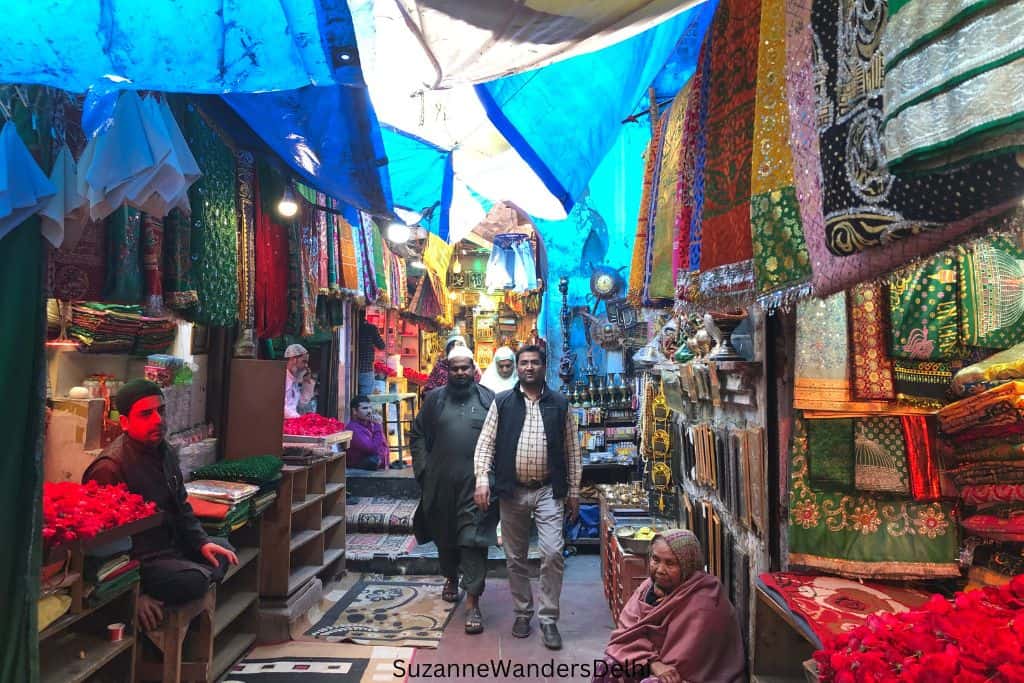
Nizamuddin Basti (‘basti’ is settlement in Hindi) is a small, crowded neighbourhood in South Delhi, not far from Sunder Nursery and Humayun’s Tomb. It is home to about 25,000 (mostly Islamic) residents and has been continuously inhabited for over 700 years.
The basti is home to Nizamuddin Dargah, one of the most spiritually charged places in Delhi, as well as the stepwell that is connected to the famous curse on Tughlaqabad Fort.
The neighbourhood is part of the larger Nizamuddin area. It was developed around the dargah of Hazrat Nizamuddin Auliya, with devotees moving here to be near the saint. After partition in 1947 it expanded further with refugees. It is now one of the most densely populated areas of Delhi.
Before Visiting Nizamuddin Basti
This is a super conservative area. I strongly recommend very conservative clothing, and it’s advisable for women to cover their heads once in the basti.
If visiting the dargah, shoes must be removed to enter the complex. Any of the shops outside the dargah entrance can hold your shoes for you. It is common practice there.
All of these sites are free.
What to See in Nizamuddin Basti
If you’re visiting Nizamuddin instead of Old Delhi, these are the historic sites I’d see. The dargah and baoli are the heart of the basti, while Chausath Khamba, Barakhamba Monument and the small Ghazi Baba shrine give you a deeper look into the area’s history.
1. Nizamuddin Dargah
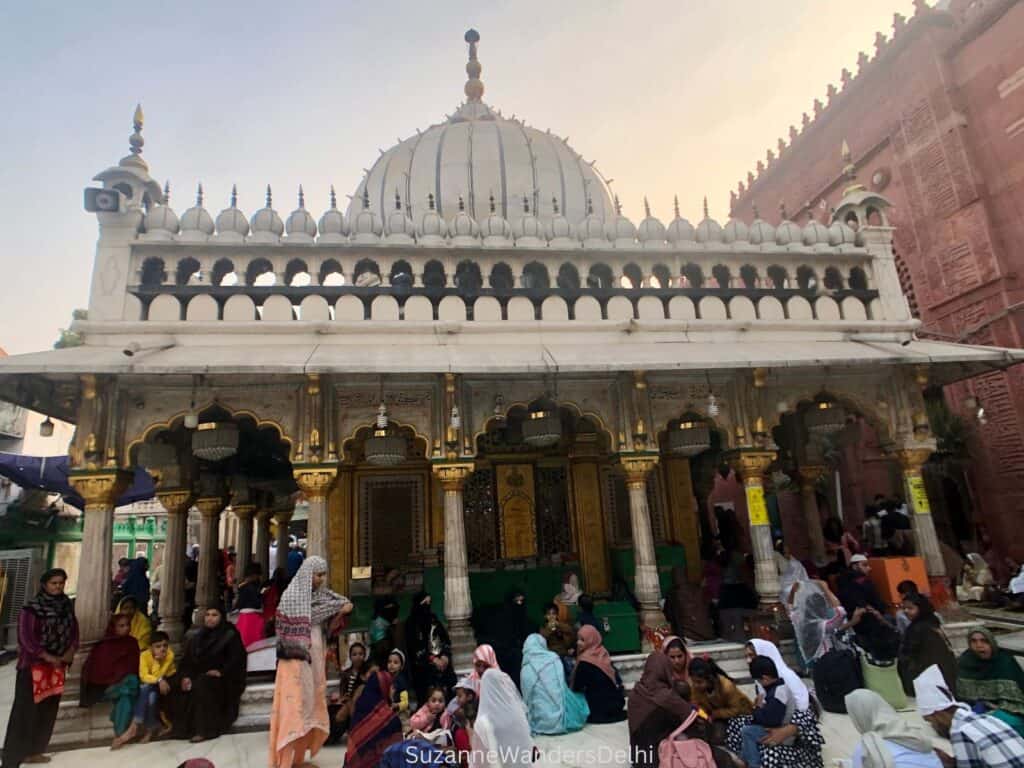
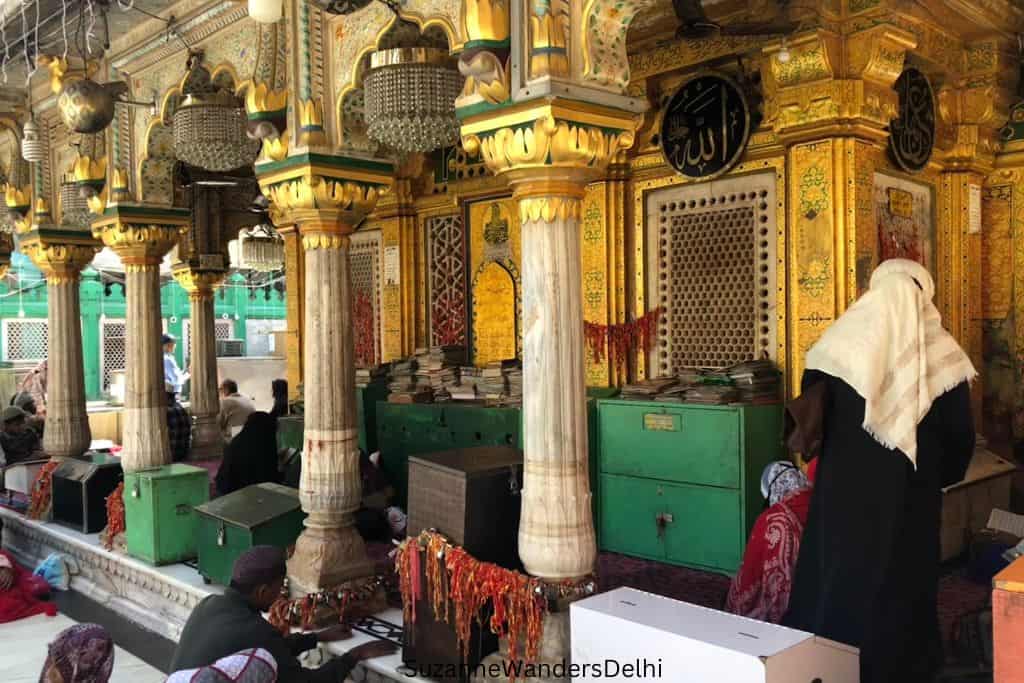
Nizamuddin Dargah is the most important site in the basti. It is the mausoleum of the powerful Sufi saint Hazrat Nizamuddin Auliya. The dargah is believed to hold great power, and it gets hundreds of visitors each day of all faiths, including Hindus.
The dargah was built in 1325 by ruler Muhammad Bin Tughlaq, who was a devotee of the saint. The complex also holds the tombs of Mughal Princess Jahan Ara Begum, poet Amir Khusro and over 70 mystics, poets and devotees. They all wanted to be buried near the saint.
At the centre of the dargah is the actual mausoleum. Women are not allowed to enter the shrine itself.
2. Qawwali Singing at the Dargah
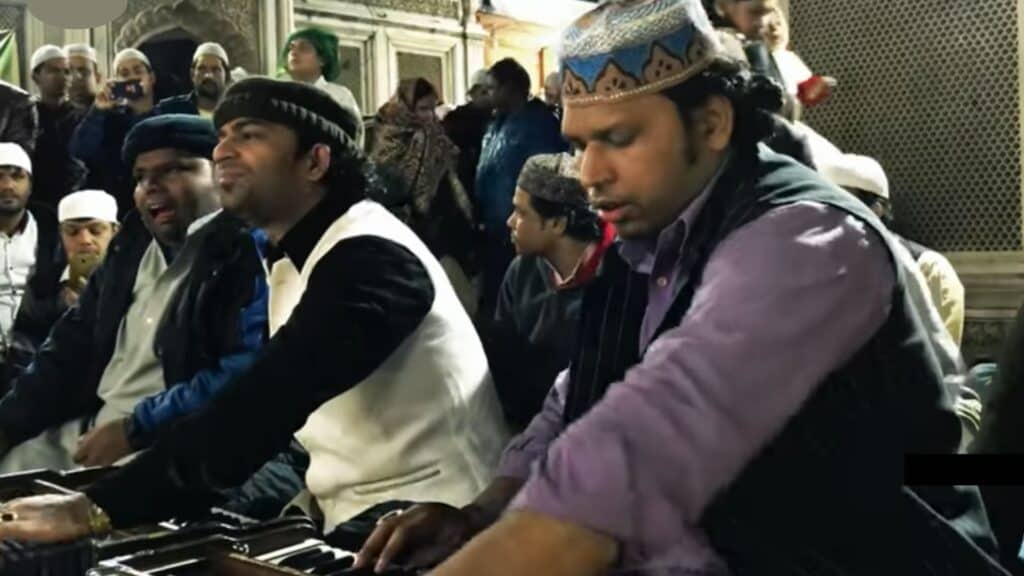
Every evening after the maghrib namaz (evening prayers) there is Sufi devotional singing at the dargah, called qawwali. The qawwali at Hazrat Nizamuddin Dargah is legendary. The Nizami family have sung qawwalis at the dargah for 700 years.
This is a magical experience. The qawwalis are mesmerizing, and many visitors say they come away with a sense of peace and serenity.
Timing of qawwali is approximate as it is based on the evening prayers which changes marginally daily. The courtyard gets very crowded – it’s best to go early to make sure you have a place to sit on the floor.
3. Nizamuddin Baoli (Stepwell)
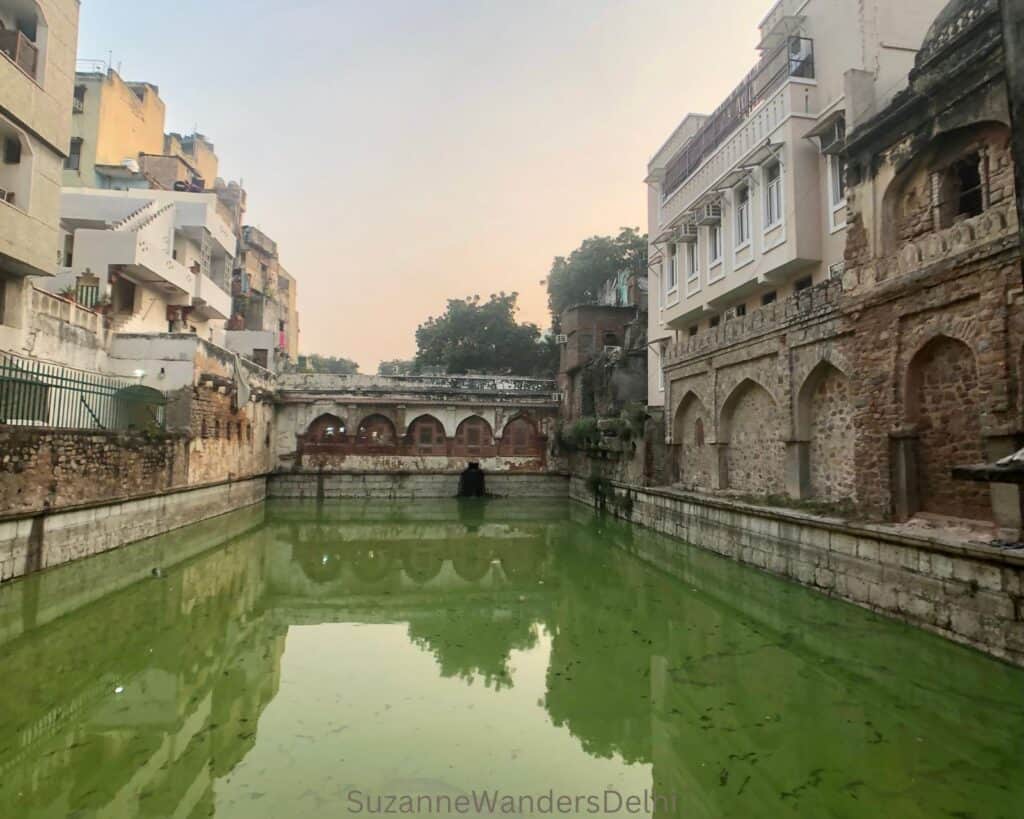
Nizamuddin Baoli is one of Delhi’s last remaining stepwells, and it is the source of one of Delhi’s most enduring and believed legends. It’s located beside the dargah.
In 1321 Hazrat Nizamuddin Auliya was building this stepwell at the same time emperor Ghiyasuddin Tughlaq was building Tughlaqabad Fort. Tughlaq was obsessed with building the fort, and ordered all labourers in Delhi to only work on his fort, bringing construction of the stepwell to a standstill.
This was a major problem for Nizamuddin as the water was needed for his residence, and he was furious. He cursed the ruler and the fort. Even though the labourers secretly work on his stepwell at night, Nizamuddin would not lift the curse.
It seems the curse worked. Tughlaqabad Fort was abandoned for lack of water only 15 years later. Ghiyasuddin Tughlaq was murdered by his own son, Muhammad (who built the dargah). Even today, despite its massive size and location within Delhi, Tughlaqabad Fort gets very few visitors.
4. Chausath Khamba
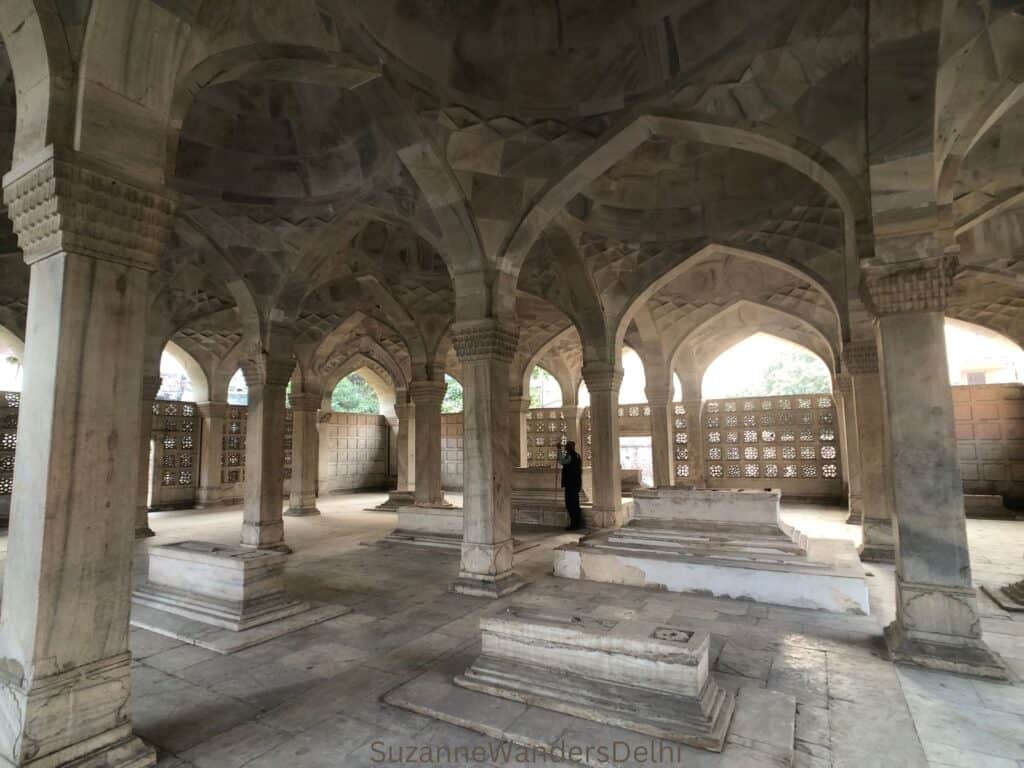
This is a gorgeous mausoleum built in 1624 for a governor in the Mughal court. From the outside it looks very plain and hardly worth seeing. But the interior is a complete surprise – a multitude of carved marble pillars and domes.
To get here you’ll have to enter through an old Mughal style gate, which is also amazing. An added bonus is the tomb of Mirza Ghalib (and his wife) also on the grounds. Ghalib is Delhi’s most beloved Mughal era poet. Ghalib wanted to be buried near the Sufi saint Hazrat Nizamuddin Auliya.
5. Barakhamba Monument
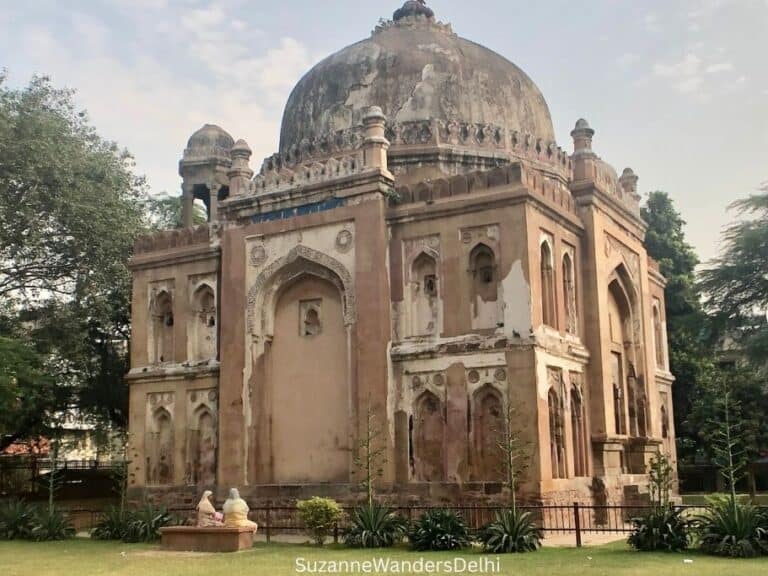
This is a Tughlaq era tomb built in the 13th century. It is located on Lodhi Road and backs onto Nizamuddin Basti. Do not confuse it with Barakhamba Tomb which is in Hauz Khas.
Barakhamba Monument has been restored, but homeless people have made it theirs. You can still go take a look while you’re in the basti.
If you look across Lodhi Road to the roundabout you can see the pretty Sabz Burj, with its brilliant blue and green tiled dome. The monument was built in 1530, likely as part of the Humayun’s Tomb complex.
6. Hazrat Ghazi Baba Ki Dargah
This is a small shrine dedicated to Ghazi Saiyyad Salar Masud (aka Ghazi Baba), a legendary Sufi warrior saint who lived in the 11th century. While Ghazi Baba’s main shrine and tomb are located in Bahraich, Uttar Pradesh, it was common in Sufism to build smaller shrines where saints spent considerable time.
Take a Walking Tour of Nizamuddin Basti
Hope Project is an NGO that does a lot of wonderful work in the local community. They quietly offer a walking tour of Nizamuddin Basti and all proceeds go back into the community. You can even do the walking tour in the evening so that it includes the qawwali singing at the dargah.
The walking tour is not advertised. Another expat told me about it, and I emailed Hope Project to arrange it. It was terrific, not too long (about 2 hours), and I learned a lot about the area. When I took it in 2025 it cost INR 500, an absolute bargain.
Email to set up tour: info@hopeprojectindia.in
How to Get to Nizamuddin Basti
Nizamuddin Basti is central and easy to reach by auto rickshaw, Uber or metro. The nearest metro station is Jawaharlal Nehru Stadium aka JLN Stadium (Violet line, exit Gate 5).
From the metro station it’s best to take an auto rickshaw, since the basti is 1.3 km from the station in a high traffic area. If you’re staying only a few kilometres from the basti, an Uber or auto rickshaw is easiest.
What You Can Do After Nizamuddin Basti
Nizamuddin Basti is in a very historic part of Delhi. These sites are near, actually within walking distance, but because of traffic it’s better take an auto rickshaw:
- Sunder Nursery: UNESCO awarded heritage park with Mughal ruins and tombs. There’s a decent restaurant beside a lake (Carnatic Cafe).
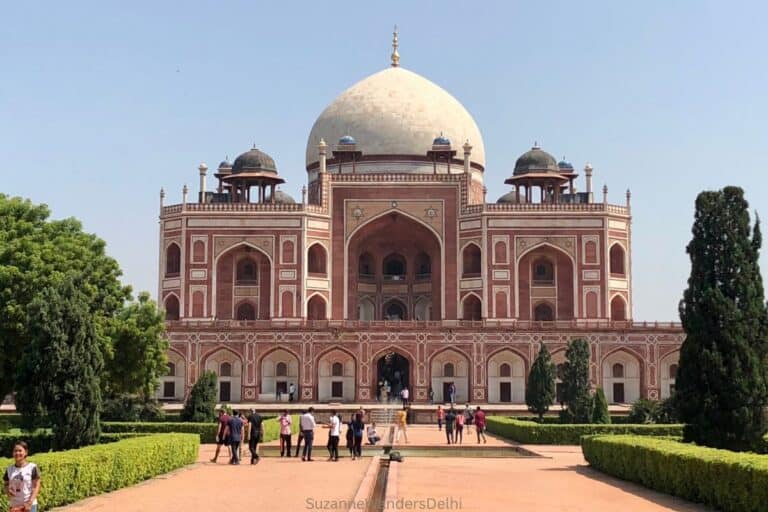
- Humayun’s Tomb (UNESCO): Large Mughal tomb complex. One of Delhi’s best restaurants is in the complex, Nisaba.
- Abdul Rahim Khan-i-Khanan’s Tomb: One of the tombs believed to be the inspiration for the Taj Mahal, built in 1598.
Where to Stay Near Nizamuddin Basti
Nizamuddin Basti doesn’t have any tourist hotels, but these are excellent hotels not far from the basti:
- The Lodhi (luxury): Exceptional 5 star boutique hotel and member of the Leading Hotels of the World.
- B Nineteen: (mid-range): Lovely bed and breakfast in a quaint residential area behind Humayun’s Tomb. Breakfast is included.
- Prakash Kutir Bed & Breakfast (budget): Guest house in South Delhi. Not super close to the basti, but an excellent budget option.
Last Words on Visiting Nizamuddin Basti Instead of Old Delhi
Nizamuddin Basti is an often overlooked part of Delhi that is perfect instead of Old Delhi. It’s smaller and doesn’t take as long to explore, is easier to reach, and is full of local legend and history.
It is the heart of Sufism in the city, and in my opinion one of the most fascinating parts of Delhi.