Diwali in Delhi: How to Celebrate the Festival of Lights

If you are lucky enough to be in Delhi during the famous festival of lights, here is everything you need to know about celebrating Diwali in Delhi.
Diwali falls during peak tourist season, and even though it is a family holiday, there’s many ways you can enjoy Diwali as a tourist or visitor.
My first time in Delhi was during Diwali, and since then I have celebrated many Diwalis in Delhi!
This year Diwali is November 6 – 10. The main festival day falls on November 8, 2026.
Here’s a quick list of my top recommendations to celebrate Diwali in Delhi:
- Attend the Dastkar Festival of Lights Mela
- Explore and shop at Delhi’s famous markets
- Attend at Diwali party at your hotel or guest house
- Shop for traditional sweets
What is Diwali?
Diwali is a religious festival in India which celebrates the victory of light over darkness and knowledge over ignorance.
It’s the biggest and most important of the Hindu festivals. It’s basically India’s Christmas. Each year it falls between October and November.
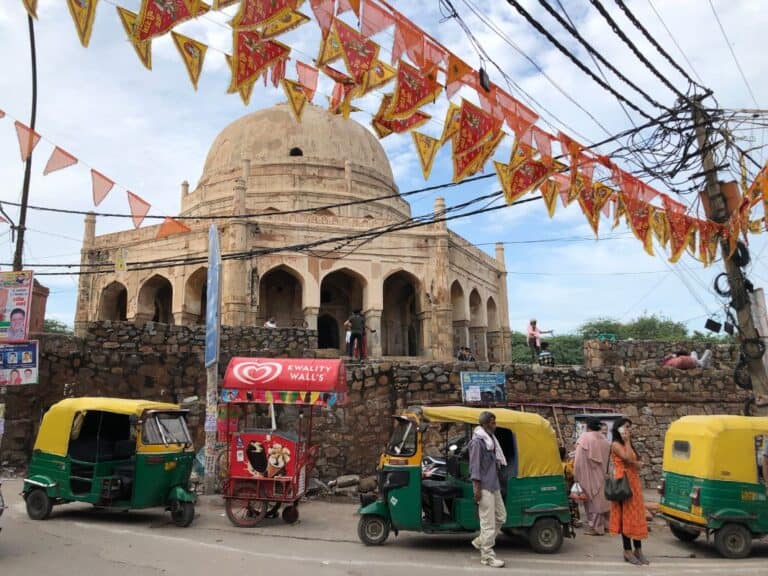
During Diwali, Delhi is decorated with thousands of coloured lights. Businesses and homes hang festive lights down their exteriors, and drape windows and door fronts in garlands of marigolds.
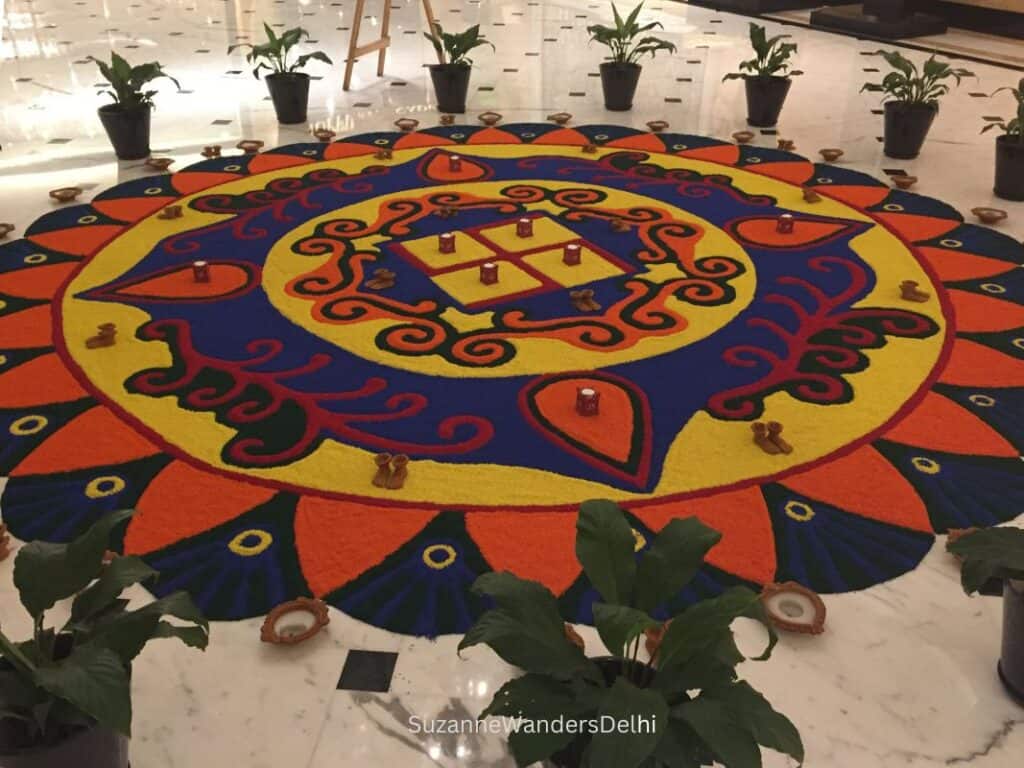
Beautiful lotus shaped designs called rangoli are drawn outside front doors, and Diwali festivals and markets spring up everywhere.
When is Diwali in Delhi?
Diwali is a five day festival that usually falls between October and November each year. It is based on the Hindu lunar calendar so dates change year to year.
The third day of Diwali is the most important, and the one that is the official government holiday. This day is known as Lakshmi Puja. It is this day the religious rites (puja) are performed for Goddess Lakshmi, and people leave their front doors open to invite the Goddess in.
Diwali 2026: Thursday, November 5th to Tuesday, November 10th. The most important day and government holiday is Sunday, November 8th.
How is Diwali Celebrated in Delhi?
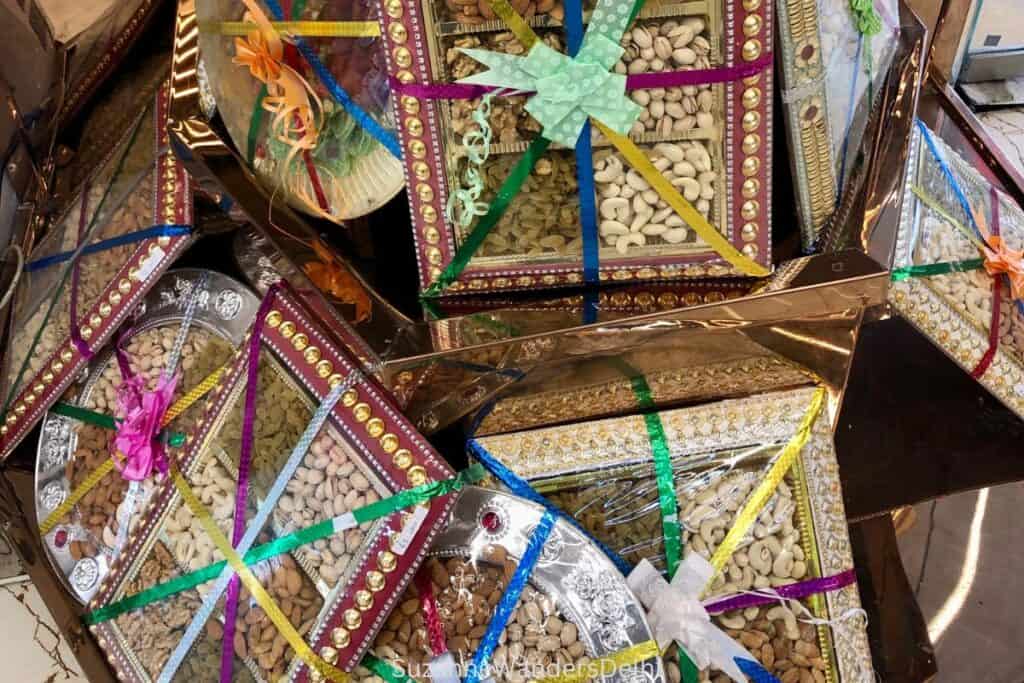
Diwali is a joyful, family holiday. Delhiites celebrate Diwali by:
- stringing festive lights on the exterior of homes and businesses
- watching fireworks displays (the Delhi government bans fireworks every year due to pollution levels, but this is widely ignored and you’ll hear firecrackers every night leading up to and during Diwali)
- visiting relatives and spending time with family and close friends
- exchanging gifts
- performing pujas
- decorating homes and entranceways with rangoli
- lighting diyas and small lamps
- eating Indian sweets
Where Can I Go For Diwali in Delhi?
If you are a visitor or tourist in Delhi on Diwali, there are many places you can go for a special experience.
Diwali is a five day festival, but I am talking about what to do on the main day of Diwali – the official government holiday.
1. Explore one of Delhi’s Famous Markets
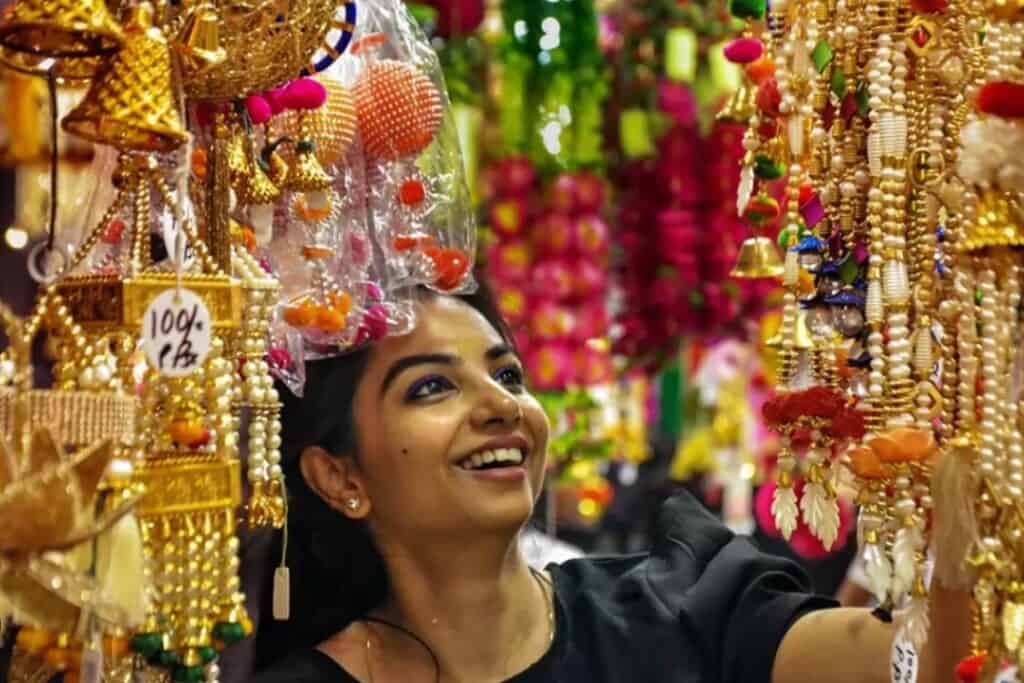
During the day try one of Delhi’s best markets like Dilli Haat INA, Khan Market or if you’re very adventurous, Chandni Chowk in Old Delhi.
All of these markets will be open during the day and decorated for Diwali. Expect them to be buzzing with activing as locals do their last minute shopping.
2. Have Langar at Gurudwara Bangla Sahib
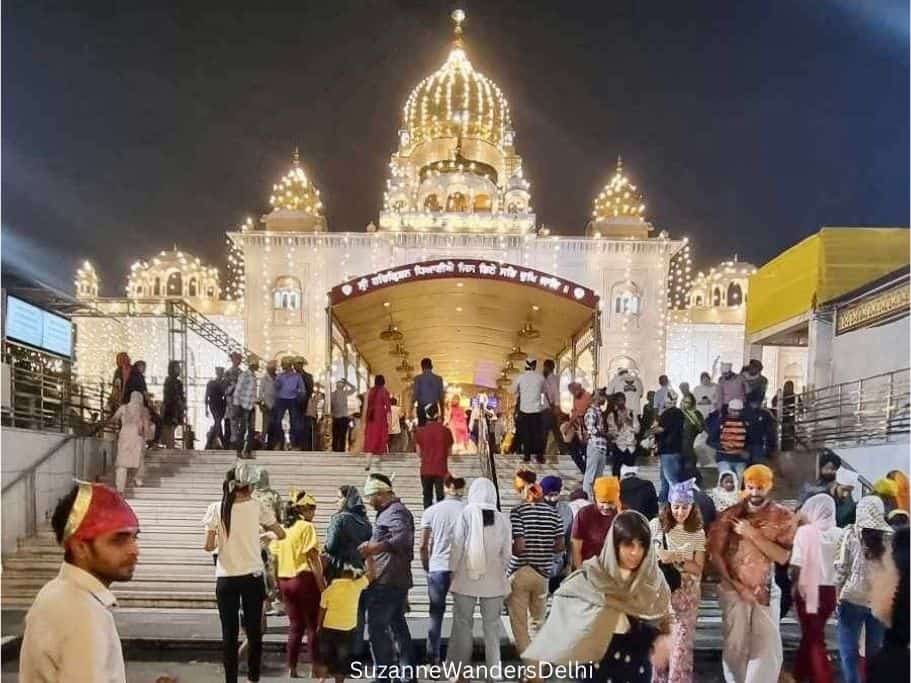
Having langar at Gurudwara Bangla Sahib is a wonderful community experience, and on this day the gurudwara prepares an extra special langar. Langar is the free community meal served at gurudwaras.
Diwali is on the same day Sikhs celebrate Bandi Chhor Diwas, the day the sixth Sikh guru, Guru Hargobind, was released from prison.
Gurudwara Bangla Sahib, the most prominent gurudwara in Delhi. On Bandi Chhor Diwas it is beautifully lit up with festive lights and hundreds of lit candles.
The gurudwara will be in a joyful mood as thousands of devotees celebrate. You do not need to be Sikh to visit the gurudwara or have langar. Everyone is welcome.
All visitors must cover their head and remove shoes to enter the gurudwara. There is a designated visitors centre where tourists can leave shoes and borrow a bandana.
3. Visit the Dargah of the Sufi Saint Hazrat Nizamuddin
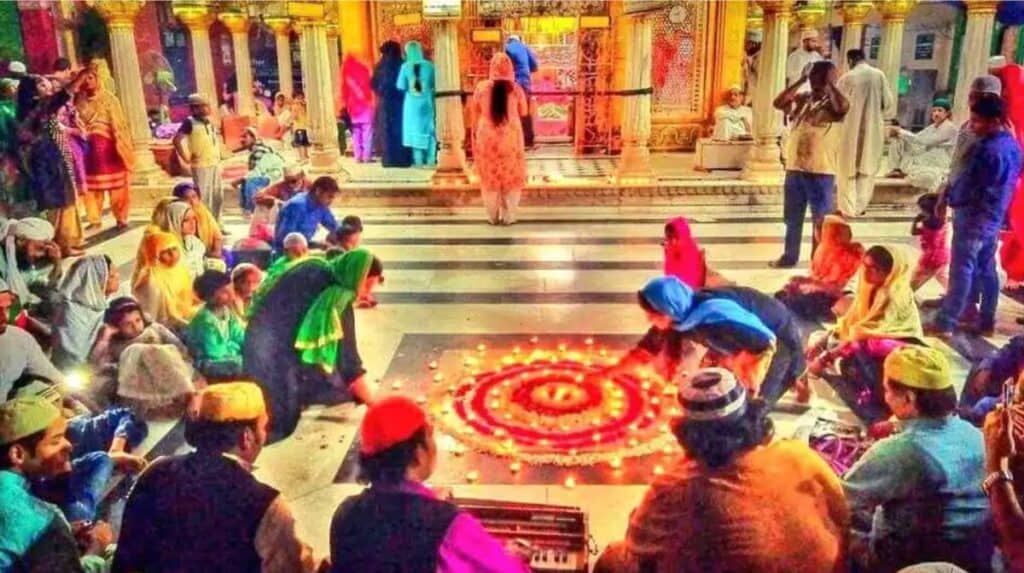
The shrine of the most powerful Sufi saint in Delhi might seem like an odd place to visit on Diwali, but the saint has many Hindu devotees in Delhi, and Muslims also celebrate Diwali.
Nizamuddin Dargah is the mausoleum of Khawja Nizamuddin Auliya. It is one of the most mystical and spiritual places in Delhi. Thousands of believers of all faiths visit each week.
On Diwali, Hindus come and light diyas and distribute sweets. You will see rangolis in all corners and in front of the shrine itself. The dargah is already a beautiful, spiritual place, but with hundreds of lit diyas it takes on an otherworldly feel.
If you stay until after the evening prayers you can hear the famous qawwali singers. Trust me, it will be a magical evening you never forget.
Visitors must remove shoes, and women must cover their heads. There are little shops just outside the dargah entrance you can leave your shoes. I recommend dressing very modestly.
4. Hotel Diwali Parties and Dinners in Delhi
Many hotels in Delhi host Diwali themed events for their guests and visitors to the city.
Pretty much all the five star hotels in Delhi put on an event for Diwali. Many home stays and family run bed and breakfasts also host something for their guests.
5. Celebrate Diwali in Delhi with a Local Indian Family
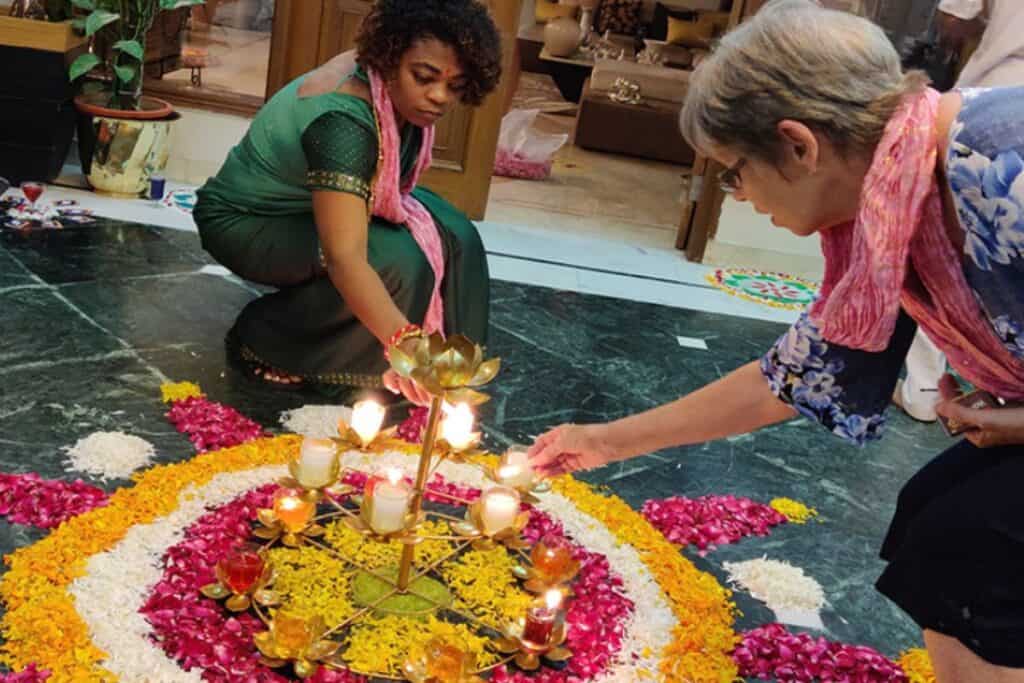
If you receive an invitation to spend Diwali with a local family, go! Wear the best clothes you have, or pick up something to wear (a nice two piece kurta suit would be appropriate) from a shop like Fab India.
Buy a gift box of mithai (traditional Indian sweets) from one of the best sweet shops in Delhi, so you don’t arrive empty handed. It’s traditional to give sweets on Diwali.
Where Can I Shop for Diwali in Delhi?
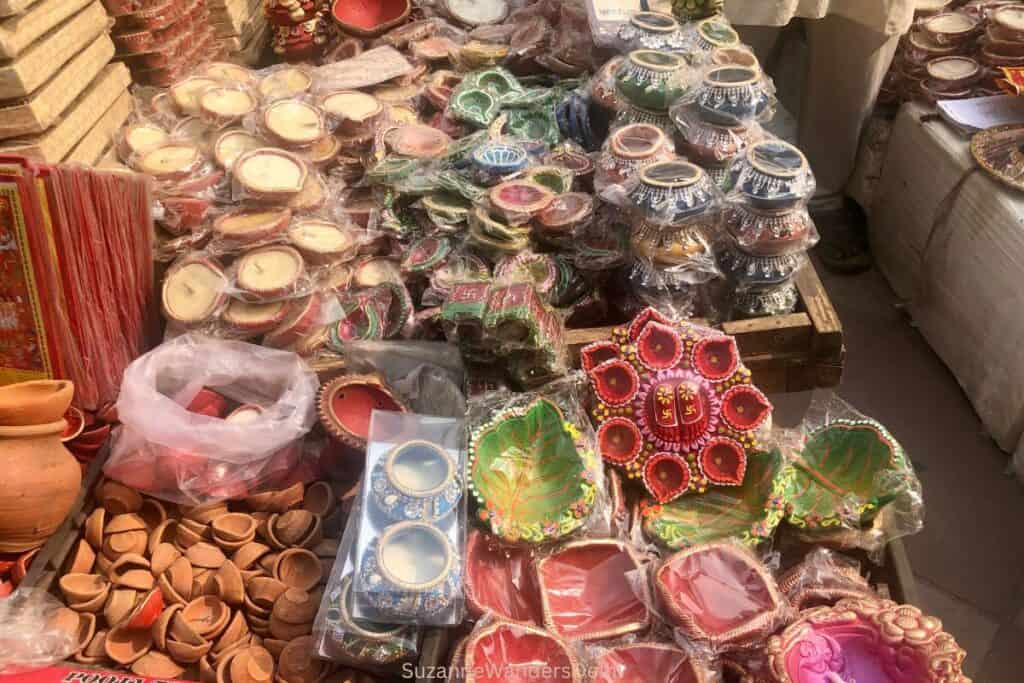
Shopping is big part of getting ready for Diwali. Delhiites buy new clothes to wear on Diwali, gifts, and boxes of sweets.
You’ll be able to find everything you need at Delhi’s markets, but the real fun is at the Diwali melas. These melas (fairs) spring up all over Delhi.
You can sample Diwali foods, shop for diyas, colourful lights and clothing, and have a very culturally authentic Diwali experience.
The 5 Best Diwali Melas in Delhi
These are the best Diwali melas in Delhi. Each one is unique and has its own special charm. The melas usually run for several days leading up to Diwali. Dates change each year so check ahead.
- Blind School Diwali Mela: One of the most famous Diwali melas in Delhi. Many stall are hosted by NGOs. Check the Blind School Diwali Mela FB page for dates.
- Dilli Haat INA Mela: One of Delhi’s most popular markets. You’ll find all traditional Diwali items here. Great pedestrian only location and fantastic food court.
- Gumbad Defence Colony Diwali Mela: One of the best neighbourhood Diwali melas in Delhi. Lots of diyas, decorative lights, food options and cultural performances. Nice calm mela in of South Delhi’s most affluent neighbourhoods.
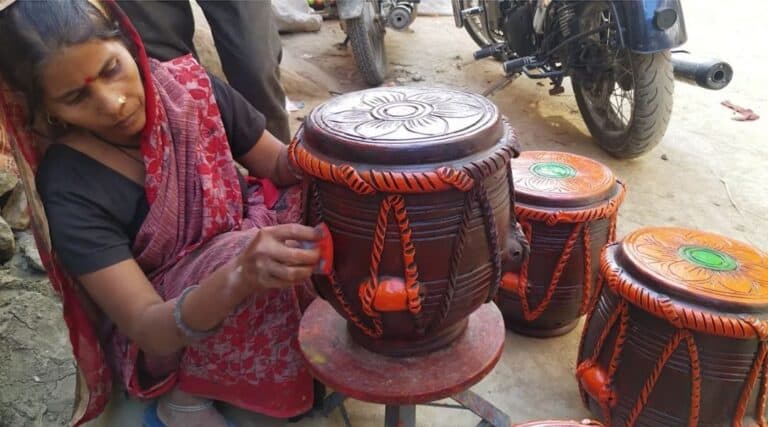
- Dastkar Festival of Lights Mela: Delhi’s most authentic cultural market has a wonderful Diwali mela. They have over 180 artisans from all across India show casing beautiful handicrafts.
- Sunder Nagar Diwali Mela: More like a fair with games, rides, food stalls and lots of shopping. This is festive and fun mela geared for the whole family.
What Special Foods are Prepared for Diwali in Delhi?
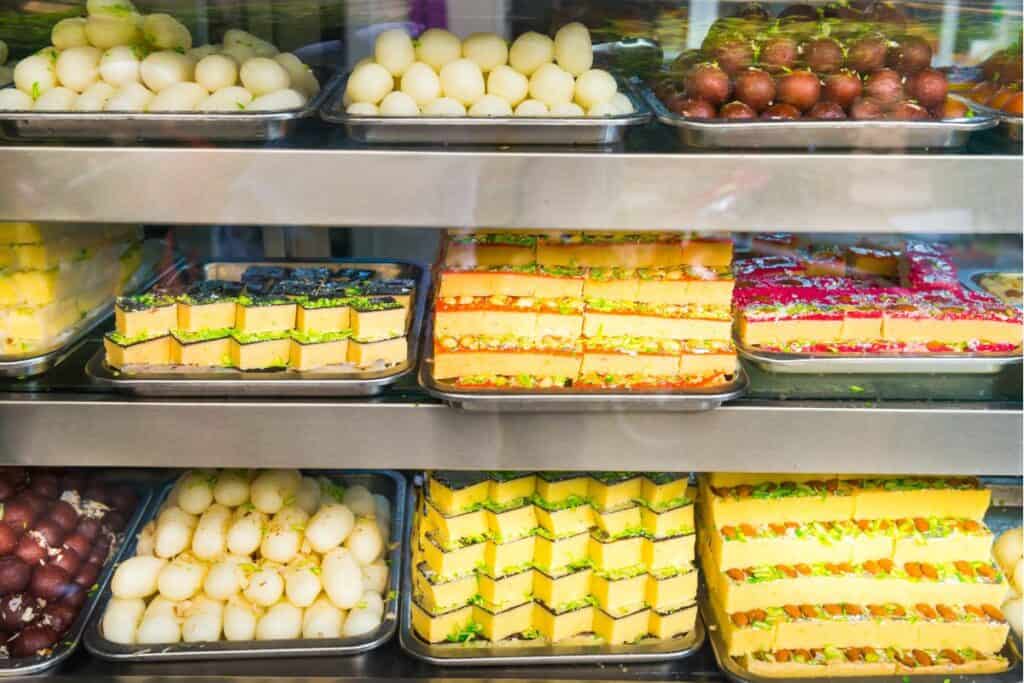
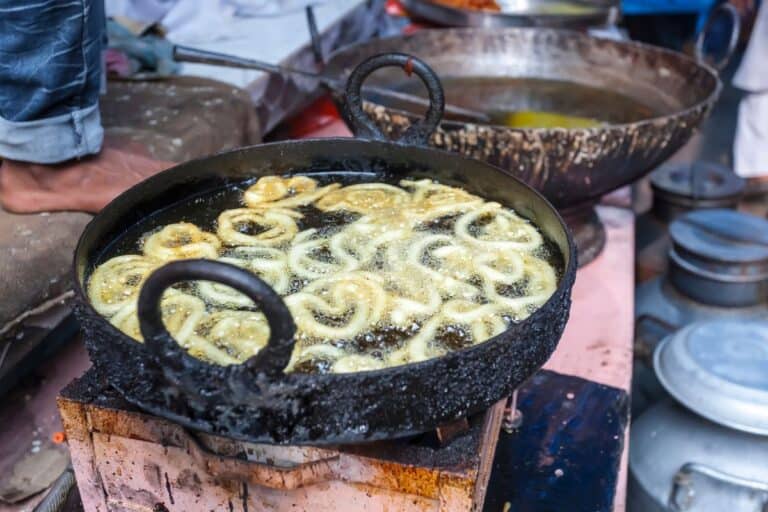
Like any big, festive holiday, foods will vary from home to home, but Indian sweets (mithai) and savoury snacks are very popular. It is traditional to exchange and eat mithai during Diwali.
When I visited my dentist a week before Diwali she gave me a beautiful box of handmade chocolates!
Indian mithai are very rich and sweet, usually made with condensed milk, ghee and lots of sugar or jaggery. They often contain dried fruits and nuts.
Every Delhiite has their favourite sweet shop, but some great ones are Evergreen Sweet House, Haldiram’s and Bengali Sweet Centre.
What are the Five Days of Diwali?
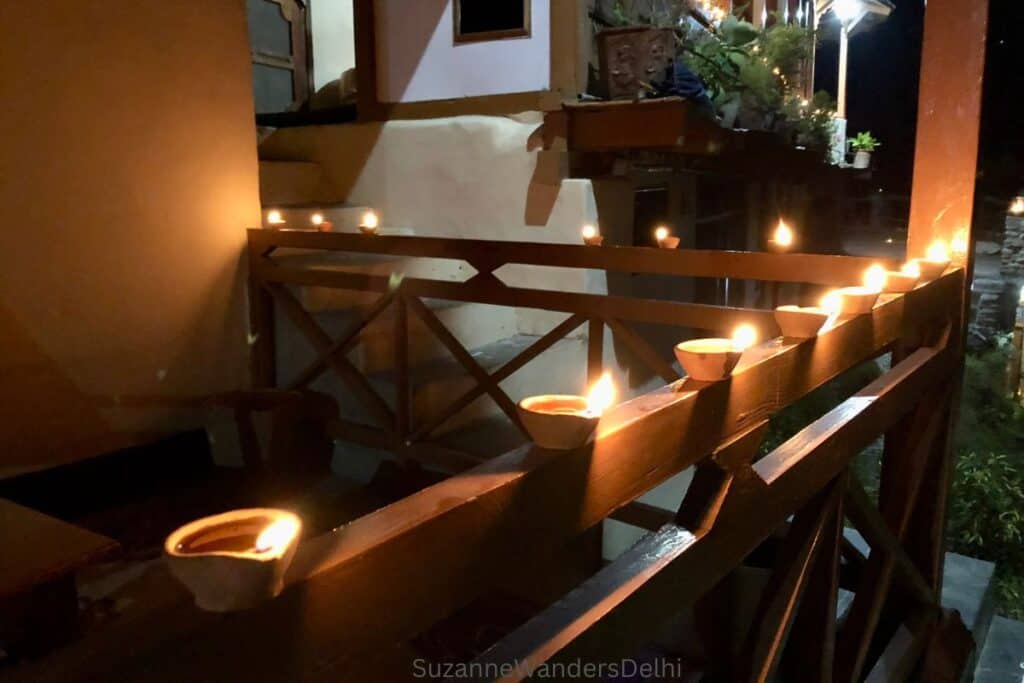
Diwali is a five day festival. The main day and the government holiday is the third day. The five days are:
- Day 1: Dhanteras – It is traditional to clean the home and place 13 lit diyas around the home to ward off evil and invite blessings.
- Day 2: Narak Chaturdashi – Also called Choti Diwali which means little Diwali. This is the day people decorate the floors and exterior entrances with rangoli (patterns made with coloured chalk, rose petals or rice).
- Day 3: Lakshmi Puja – The main day of Diwali. Families perform puja dedicated to the Goddess Lakshmi. There is a large meal, fireworks and general festivities. People light diyas and place them around the exterior of their homes.
- Day 4: Govardhan Puja – Lord Krishna is worshipped on this day.
- Day 5: Bhaiya Dooj – The last day of Diwali. Sisters pray and perform a puja for their brothers. Brothers gift their sisters with things like sweets, cake and flowers.
The Legend Behind Diwali
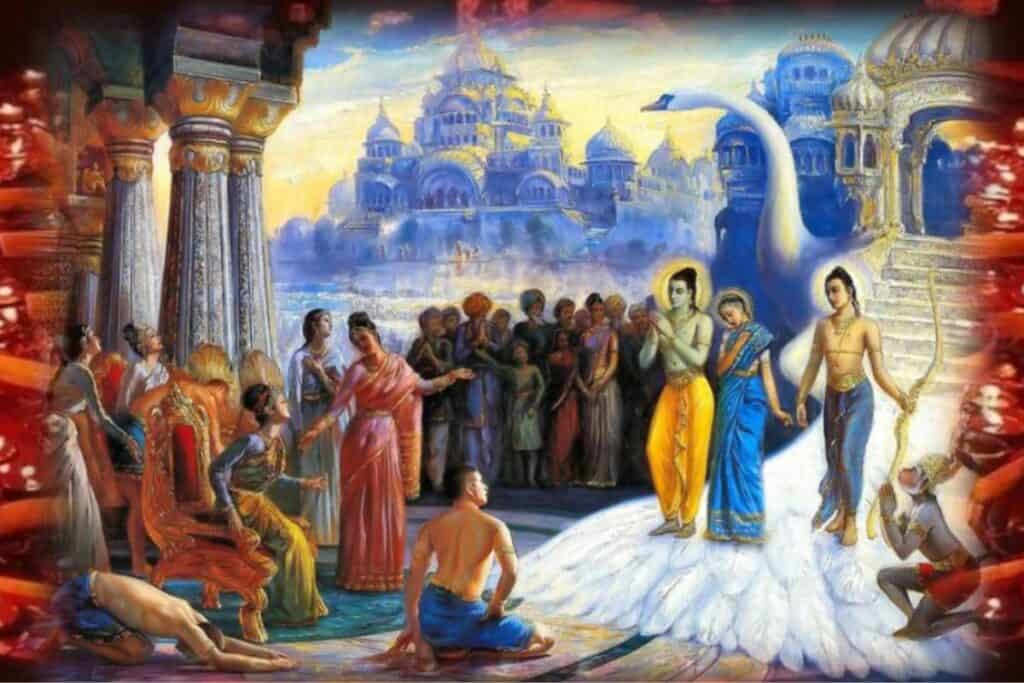
Hindus observe Diwali to celebrate the return of Lord Rama, his wife Sita and brother Lakshman to Ayodhya after 14 years of exile.
This is the main theme of the Indian epic the Ramayana which much of Hindu belief is based on. Lord Rama is one of the most important Hindu gods and the seventh avatar of Vishnu, who is considered the supreme god.
After defeating the demon king Ravana (the main theme in the Ramayana), Lord Rama returns to Ayodhya.
To welcome him and light his way home, the people of Ayodhya illuminated their homes by lighting small oil lamps called diyas. The lighting of diyas is still an important tradition of Diwali.
The Worship of Lakshmi and Ganesha on Diwali
The Goddess Lakshmi is widely revered during Diwali. On the night of Diwali it is believed she visits the homes of each of her followers, bestowing prosperity and good fortune.
Many people leave their front doors open at night during the puja (the religious offerings) to invite her in.
To welcome the Goddess, rangoli are created outside home entrances during Diwali. Rangoli are designs made from coloured chalk, rice or flower petals. Some of these designs are very intricate and colourful. Most Delhi hotels will have large rangoli in their lobbies on Diwali.
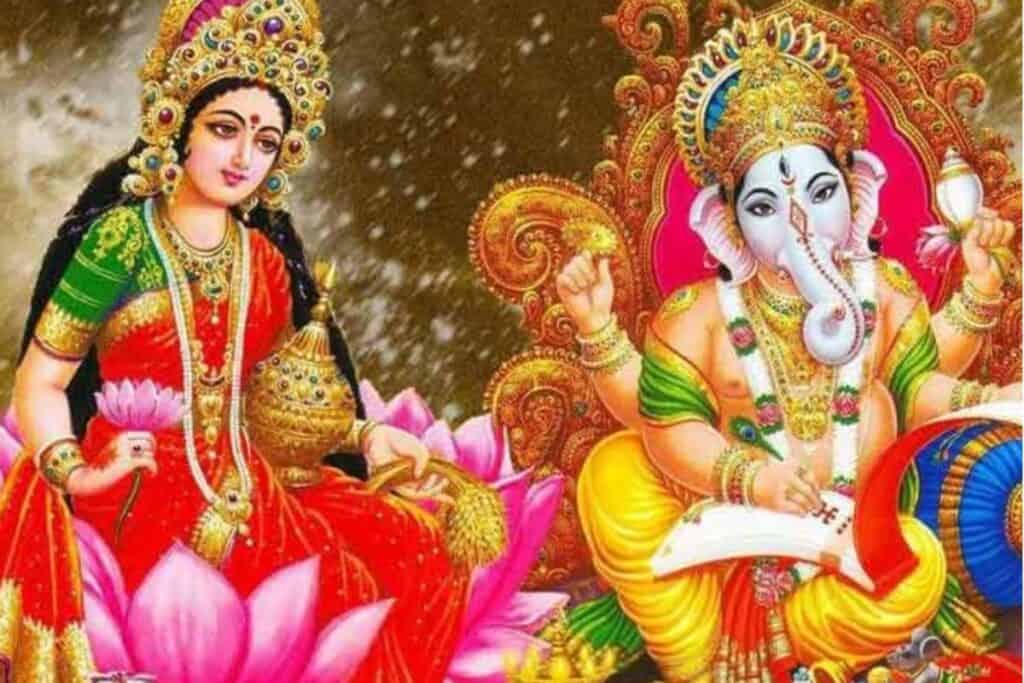
Lakshmi and Ganesha are often shown together during Diwali. Ganesha is considered the remover of obstacles and the god of wisdom. The main theory why Ganesha is worshiped with Lakshmi during Diwali is that without wisdom, prosperity will not come.
What is the Difference Between Diwali and Deepavali?
Diwali and Deepavali are the same festival. Etymologically, Deepavali is a Sanskrit word which means row of lamps. Diwali is a corrupted form of Deepavali used in northern India.
South India and east India use the word Deepavali while north India (including Delhi) refers to the holiday as Diwali.
What is Closed in Delhi on Diwali?
The third day of Diwali is a government holiday. Schools, government offices, banks and liquor stores are closed. Schools and banks remain closed for several days.
ATMs are open but may not get restocked – I highly recommend you get your cash out in advance of Diwali. I have seen many ATMs run out of cash during holidays in Delhi.
Delhi monuments and attractions are open on Diwali. Restaurants and markets are also open on this day, though markets will close early.
Is the Delhi Metro closed on Diwali?
No, the Delhi metro is open on Diwali and runs on a moderately regular schedule – the last train departs one hour earlier than usual from terminus stations at 10:00 pm.
You can check the metro website for the latest Diwali updates: Delhi Metro Rail Corporation.
Is Pollution Bad in Delhi During Diwali?
Yes, air pollution is very bad at this time of year. Farmers in Punjab burn their fields, and that combined with the nightly firecrackers and typical lack of rain during this time of year increases pollution levels.
If you suffer from bronchial problems it is best to avoid Delhi during Diwali. At the very least I recommend requesting an air purifier for your room, and consider wearing a mask when you go out.
Last Words on Diwali in Delhi: How to Celebrate the Festival of Lights
Diwali is a very special time to be in Delhi. Even if you are a visitor there are many ways you can enjoy and celebrate the most important Hindu holiday of the year.
Delhi is festive and joyful during Diwali. It’s a wonderful way to experience authentic Indian culture.