Old Delhi: The Complete Guide to the Old City (2026)

Old Delhi is one of the most historic areas of Delhi, but it’s also one of the most chaotic and overwhelming. I’m going to cover what to expect, what’s worth seeing, where to eat, how to get there, and give context so you’ll be able to appreciate the area and be less overwhelmed.
What is Old Delhi?
Old Delhi is the seventh historic city of Delhi, originally called Shahjahanabad. It was built in the 1650s by Mughal emperor Shah Jahan (the same ruler who built the Taj Mahal) and remained the seat of the Mughal Empire until 1857.
But Old Delhi isn’t a collection of ruins. It’s one of Delhi’s most vibrant, densely packed neighbourhoods, where people live and work today. It’s literally a living history lesson.
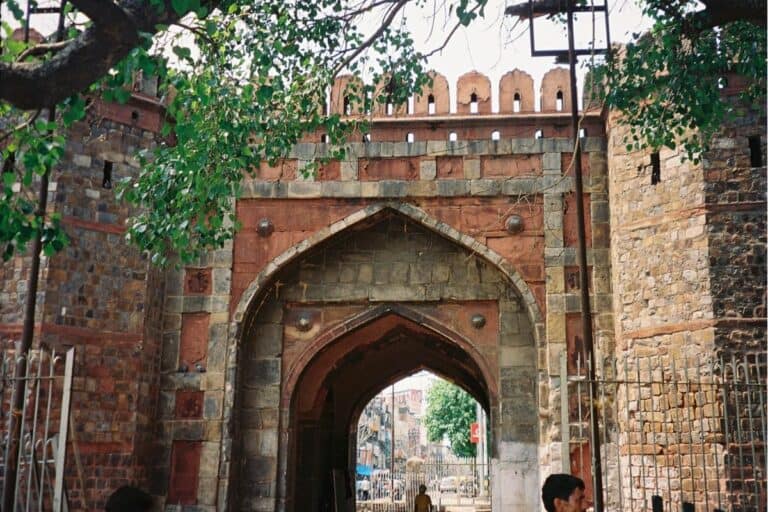
Originally a walled city, parts of the wall and several historic gates are still standing. And although many buildings have changed, the street layout remains mostly unchanged. You can wander through the same markets and labyrinth of narrow lanes that have been there for centuries.
Old Delhi vs New Delhi

Old Delhi is the historical city, built in the 1650s. New Delhi is the city originally built by the British in the 1920s and 30s to expand Delhi away from Old Delhi. New Delhi and Old Delhi are only 6 km apart, but they are very different!
Main Areas of Old Delhi
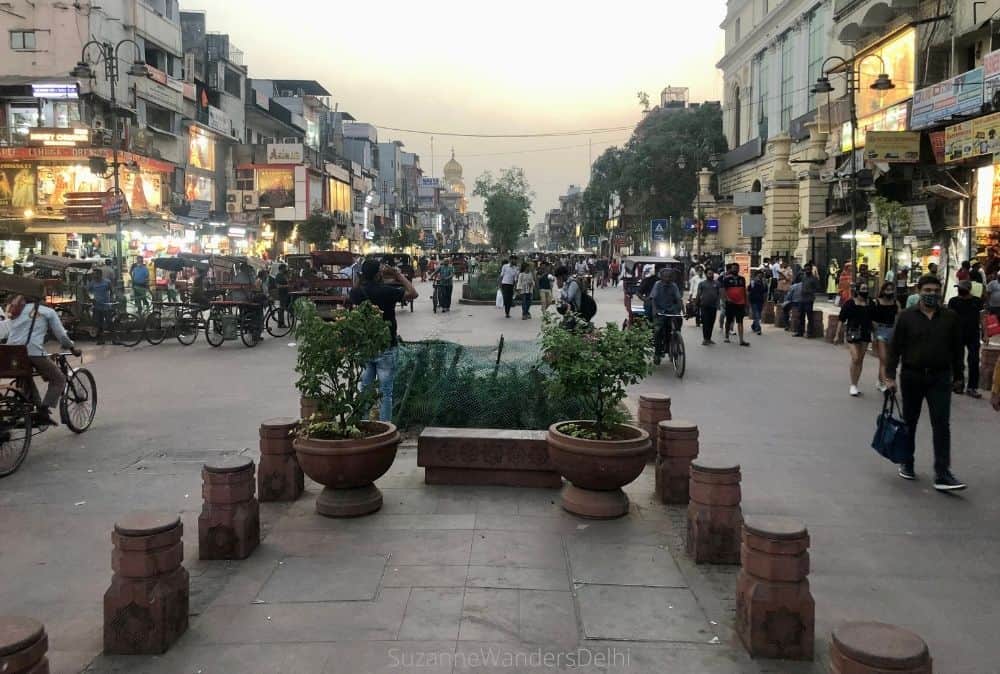
Old Delhi has several main areas – these are the ones you will hear about:
Chandni Chowk: It’s the name of the main street which runs from the Red Fort to Fatehpuri Masjid (beside the famous spice market). The market area and surrounding lanes are also referred to as Chandni Chowk.
Khari Baoli: Delhi’s most famous spice market. It’s at the far end of Chandni Chowk. One of the oldest spice markets in the world.
Chawri Bazaar: After Chandni Chowk, this is the next most visited market of Old Delhi. Traditionally it is a paper market, but it is also very famous for street food. This is bascially ground zero for Delhi street food. Here’s how to navigate Chawri Bazaar and where to try street food.
Jama Masjid and Matia Mahal: Jama Masjid is the massive historic mosque and Matia Mahal is the market area next to the mosque. It’s another crowded and chaotic area, but there’s amazing street food that is very different from other parts of Old Delhi.
Delhi Gate: Technically in Daryaganj, next door to Old Delhi, but so tied to the old walled city I include it here. It’s one of the last surviving Mughal gates. Here’s how to visit Delhi Gate.
Top Things to Do in Old Delhi
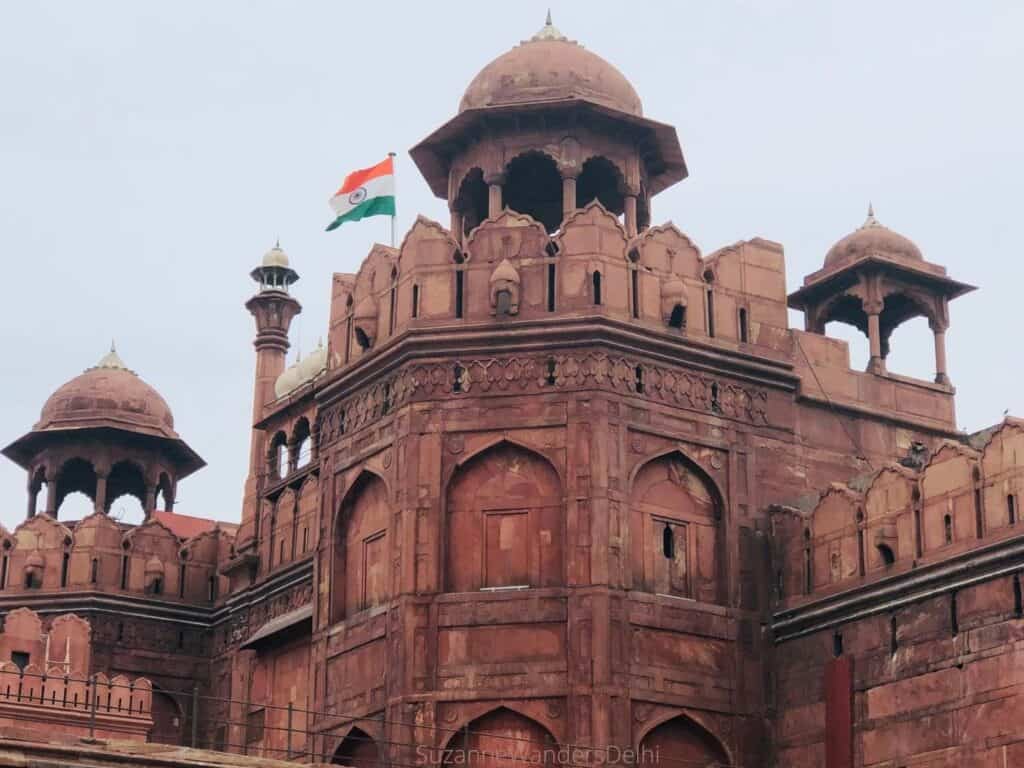
These are the top things to do in Old Delhi. Even if all you do is walk from one end of Chandni Chowk to the other (1.3 km), you’ll cover a lot of ground. If you have limited time, I would see the Red Fort, Chandni Chowk and Jama Masjid.
The following ten sites cover the essentials. For my complete list of 20 things to do in Old Delhi, including the hidden havelis and markets most visitors miss, see 20 Things to Do in Old Delhi: The Complete List.
1. Red Fort (UNESCO)
This is the palace built by Shah Jahan in 1639 for the royal household and entourage (numbering thousands). It is the number one site in Delhi and so treasured, the Prime Minister address the country from the Red Fort every Independence Day.
It’s at the beginning of Chandni Chow, so the perfect first stop on an Old Delhi day. To avoid the busy ticket counters, buy your tickets in advance on the Architectural Survey of India site.
2. Chandni Chowk
A walk across Chandni Chowk is literally a walk through hundreds of years of history. Delhi’s most famous street was built in the 1600s and many havelis (mansions), markets and temples from that era still line the street.
Now that motorized traffic is prohibited between 9:00 am to 9:00 pm, it’s easy to walk the 1.3 km from one end to the other.
3. Jama Masjid
Jama Majid is the largest mosque in Delhi. It was built by ruler Shah Jahan in the 1650s as the mosque for the royal family, and he would walk there from the Red Fort.
This is an active mosque, so modest dress is required. Shoes must be removed, knees and shoulders must be covered, and women have to cover their hair. They have sarongs you can borrow.
They charge a fee for a camera, and the last time I used the main gate they charged me an entrance fee too, though that’s not strictly allowed.
4. Khari Baoli (Old Delhi Spice Market)
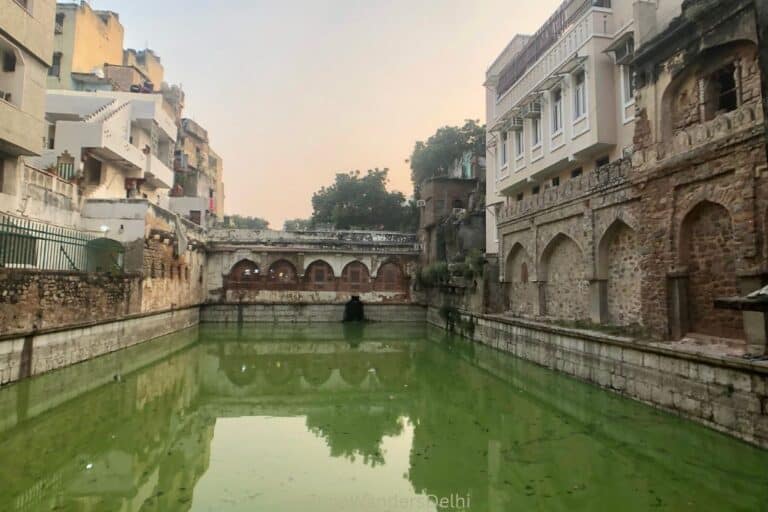
The most famous market in Delhi. It’s been at this spot for 400 years, the site of an ancient salt water stepwell (baoli), hence the name. It is still one of Asia’s largest whole sale spice markets.
You’ll find a fantastic array of fresh spices, teas, dried fruits and nuts here, and for better prices head deeper in the market. For all the secrets and best places to buy spices, see my Khari Baoli guide.
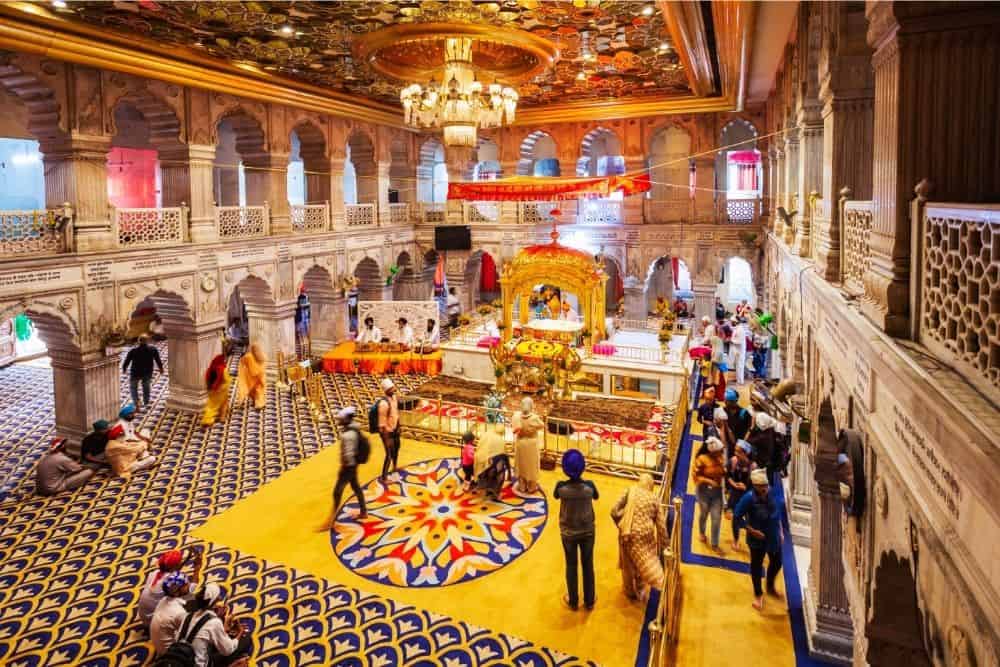
5. Gurudwara Sis Ganj Sahib
Gurudwara Sis Ganj Sahib is one of the most beautiful Sikh temples in India. It is here the ninth Sikh guru was martyred, making this temple very important to the Sikh community.
Make sure to take a peek at the kitchen where thousands of free meals are prepared each day by volunteers (langar). It’s impressive.
Women and men must remove shoes and cover their heads before entering the temple. Bandanas are available to borrow if needed. Everyone is welcome, you don’t need to be Sikh to visit.
6. Paranthe Wali Gali
Paranthe Wali Gali is one of the most famous lanes in Delhi for street food. It’s an alley of shops that sell paranthas, a stuffed Indian flatbread.
You’ll see paranthas for sale all over Delhi, but not like these. There are so many varieties, and these paranthas are fried in ghee – unlike anywhere else in Delhi.
After your paranthas, explore Kinari Bazaar (the wedding market) which is just around the corner from Paranthe Wali Gali.
7. Shri Digambar Jain Lal Mandir & Bird Hospital
Shri Digambar Jain Lal Mandir is the oldest Jain temple in Delhi, built in the 1650s. At the time there was a large Jain community in the area, and Shah Jahan gifted them the land so they could build this temple.
There is a charity bird hospital directly behind the temple. Birds are treated free of charge and released into the wild. You can visit it, but there’s a lot of droppings on the floors and you have to enter with bare feet.
Shoes and leather items must be removed before entering the temple. Photography is not allowed inside.
8. Fatehpuri Masjid
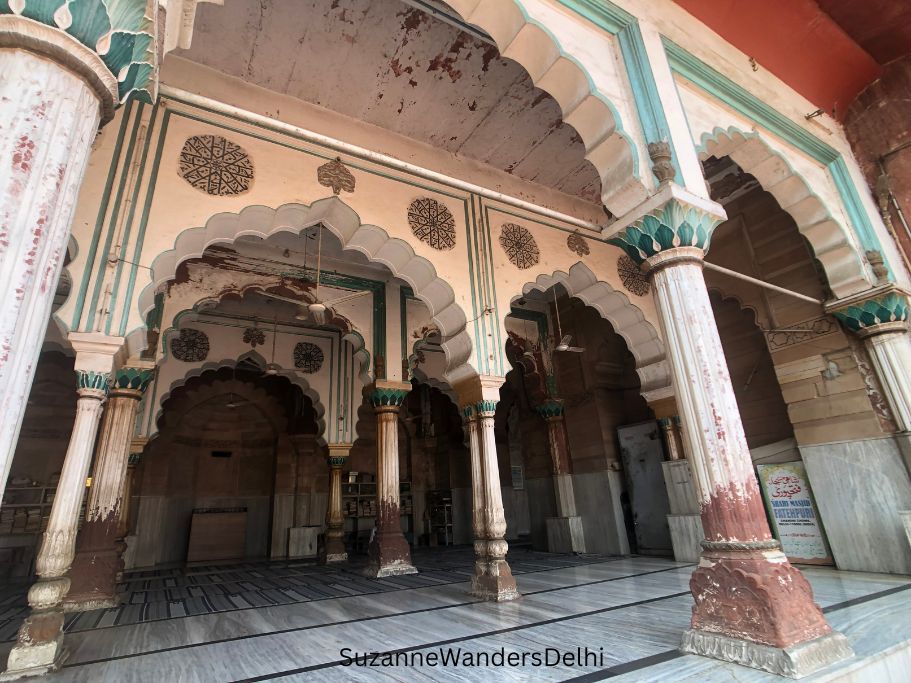
Fatehpuri Masjid is a royal mosque built in 1650. The mosque is located at the end of Chandni Chowk, next to the spice market. It was built for Fatehpuri Begum, one of Shah Jahan’s wives.
The mosque has a colourful history. It was severely damaged during the Mutiny in 1857 (if you look carefully you can see soldier’s names carved into the sandstone), changed hands several times and finally sold back to the Muslim community. You may notice graves in the courtyard, they belong to past Imams.
This is an active mosque, shoes must be removed and women must cover their heads before entering.
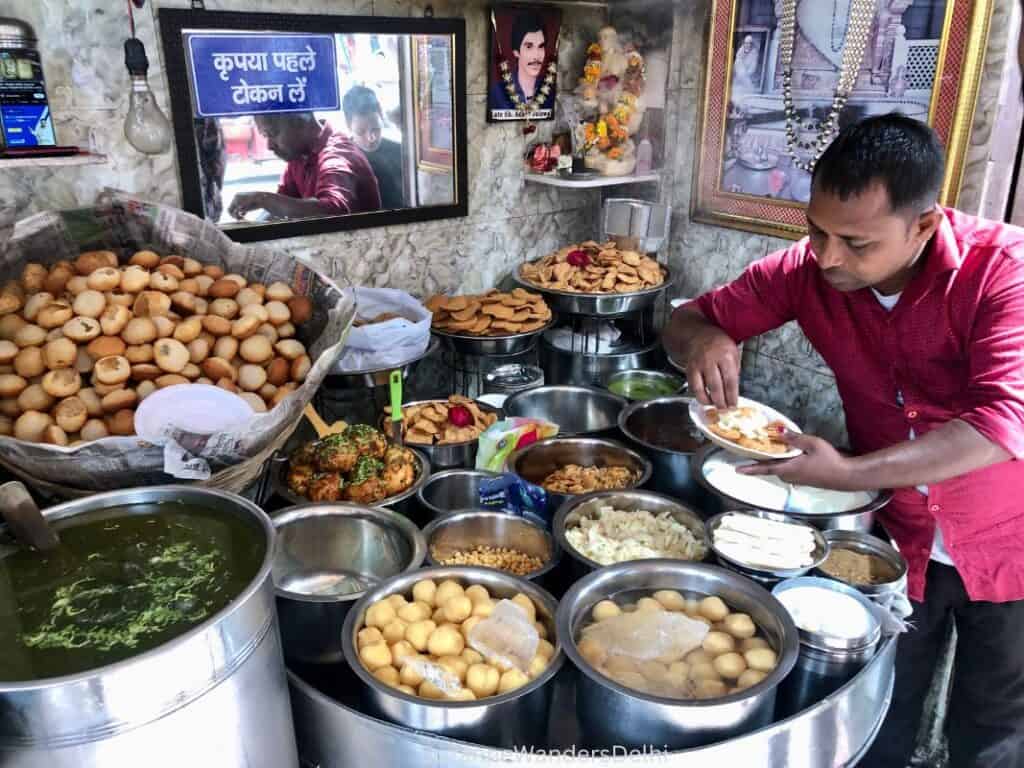
9. Eat Street Food in Chawri Bazaar
This bustling market, famous for selling paper products is even more famous for the many chaat (snack) stands dotting its lanes. The street food is legendary – some of the best in the entire city of Delhi.
Do a self-guided street food tour with this Chawri Bazar Food Walk: A DIY Guide to Old Delhi’s Best Street Food, where I take you to all my favourites.
10. Omaxe Chowk
Omaxe Chowk a gorgeous shopping mall that opened in 2024 in Chandni Chowk. I don’t usually recommend a shopping mall, but this one is showpiece of Indian culture. Plus, it’s air-conditioned and a break from the chaos outside (and it’s a good spot to use the bathroom).
Old Delhi Food
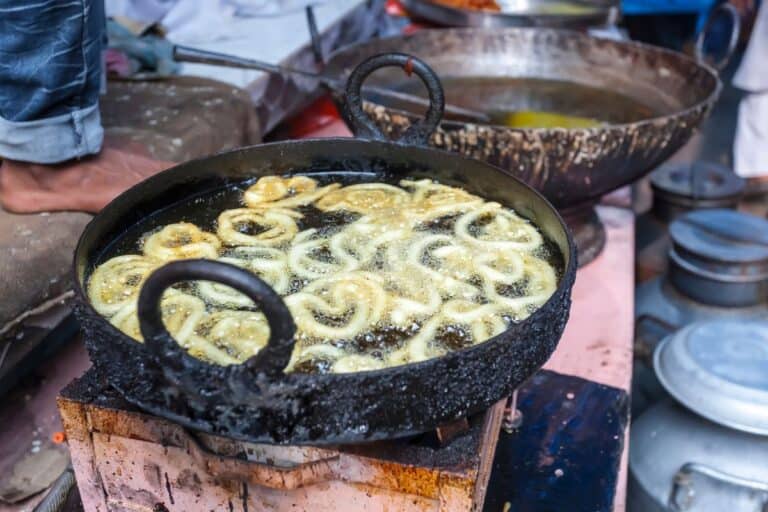
The food in Old Delhi is famous. There’s incredible street food, but you will also find authentic Mughal dishes that have been served since Shah Jahan’s time in the dhabas near Jama Masjid. The food varies greatly, depending on which part of Old Delhi you’re in.
Chawri Bazaar and Chandni Chowk are mostly vegetarian with lots of food stands, while the area around Jama Masjid has a lot of kebab grills on the streets and small restaurants that specialize in Mughal dishes (lots of meat). I list all my favourite places in 25 Places for the Best Food in Old Delhi.
One word of caution: do not eat street in summer or monsoon seasons. Food spoils quickly in these months and even locals avoid it at this time. I learned this lesson the hard way.
One Day Walking Route
The easiest way to explore Old Delhi is to walk from one end of Chandni Chowk to the other and visit the sites along the way. Here’s how to do it:
- Red Fort: Visit the fort in the morning before it gets crowded and hot. It’s the ideal place to start because it’s across the street from where Chandni Chowk begins.
- Shri Digambar Jain Lal Mandir: The Jain temple – it’s the one with the red spires and bird hospital in the back. Stick to this side of the street when you leave.
- Shri Gauri Shankar Temple: You’ll pass this temple right after the Jain temple. Visitors are welcome. The temple site is about 800 years old.
- Gurudwara Sis Ganj Sahib: Do not skip this gurudwara. It’s very beautiful inside, and they’re welcoming to visitors.
- Street food at Kanwarji Raj Kumar: I always eat here when I’m on Chandni Chowk. Order chole bhature and eat it on the street. It’s delicious!
- Paranthe Wali Gali: Stroll down the lane and try a parantha at one of the parantha shops. Eat where the lineup is.
- Kinari Bazaar: On the same lane as the parantha shops, turn to the left and you’ll end up in Kinari Bazaar, the traditional wedding market.
- Fatehpuri Masjid: Get back on Chandni Chowk, and take it all the way to the end to Fatehpuri Masjid. Visit the mosque, then…
- Khari Baoli (spice market): The spice market is beside Fatehpuri Masjid. Explore and try not to sneeze. Walk back down Chandni Chowk on the opposite side.
- Street food at Natraj Dahi Bhalla: Before heading back to the metro, stop at the roadside snack window (not the restaurant upstairs) and order dahi bhalla – a yogurt drenched chaat (snack).
How to Get to Old Delhi
There are several ways to get to Old Delhi, but the fastest is by metro. Just take the metro to Chandni Chowk station (Yellow line), or Lal Quila station (Violet line).
From the Airport the most direct way is to take the Airport Express metro line and transfer to the Yellow line at New Delhi Station. It’s only 2 stops on the Yellow line to Chandni Chowk station. The Delhi metro is an excellent system – don’t hesitate to use it.
This part of Delhi is very congested and traffic is terrible. If you do take a car, chances are you’ll be stuck in traffic, and Chandni Chowk is closed to motorized vehicles during the day.
Uber and Ola are good options in Delhi, but traffic in this part of the city is very bad, and once you get to Old Delhi you’ll have to walk. Same goes for auto rickshaws.
Is Old Delhi Safe?
The honest answer is yes, during the day. Apart from the usual precautions, it’s fine for tourists in the day. I even find the scammers far fewer here than in New Delhi.
The danger is more from the lack of sidewalks, and making sure you stay out of the way of motorcycles and auto rickshaws.
Avoid Old Delhi at night. I’ve been down there in the evening for Iftar during Ramadan and it was fine, but I really don’t recommend exploring Old Delhi after dark unless you’re on a guided tour.
When to Visit & What to Wear
Visit in any season except summer and monsoon (yes, monsoon is considered a season in India). Summer is May and June, and monsoon is July and August. These are very hot and humid months. During this time it’s not safe to eat street food, which is one of the biggest reasons for visiting Old Delhi.
In terms of time of day, start in the morning. It’s cooler and less crowded at that time. Old Delhi gets progressively busier through the day. The markets close on Sunday, so if the markets and street food are the main draw, visit another day.
I recommend dressing conservatively. This is a more reserved part of Delhi, particularly around Jama Masjid. Long sleeves and bottoms to below the knee are best. Good, flat walking shoes are best.
Where to Stay Near Old Delhi
I do not recommend staying in Old Delhi or neighbouring Paharganj. These are congested and noisy parts of Delhi (at night), and Paharganj in particular is unsafe at night. Instead, stay at one of these places in Central Delhi:
- The Imperial (luxury): Delhi’s finest heritage hotel and my personal favourite. Superb location on Janpath, within walking distance of numerous shops, restaurants and attractions.
- Metropolitan Hotel & Spa (mid-range): A 5 star hotel with a very central location. Excellent value. You’ll be able to easily explore all of Delhi from here, including Old Delhi.
- CP Villa Bed & Breakfast (budget): Quiet location in a residential enclave near Connaught Place. Simple rooms, but clean and with private bathrooms. Also well located for exploring all of Delhi.
Want to Avoid the Chaos of Old Delhi?
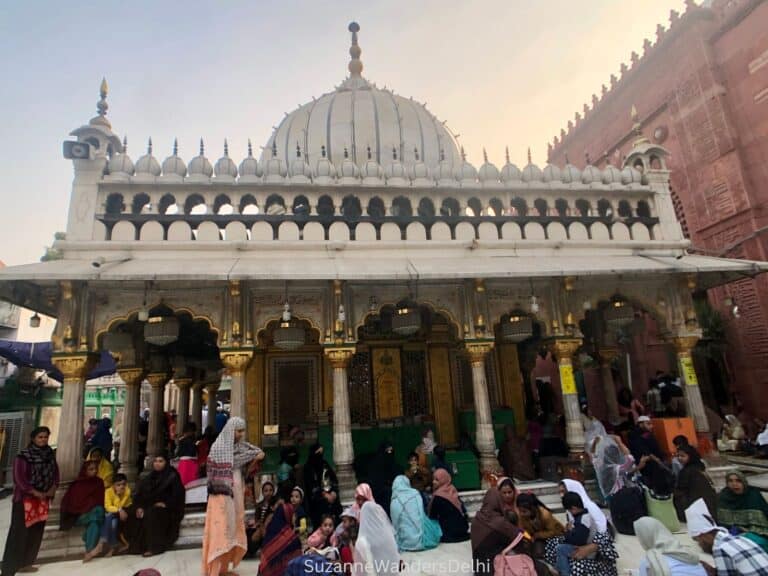
If you want to avoid the overwhelm, instead of Old Delhi visit Nizamuddin Basti.
Nizamuddin Basti is even older than Old Delhi and equally as fascinating and full of folklore, but much smaller and easier to manage.
While it doesn’t have the street food options of Old Delhi, it has incredible historic sites, a vibrant market, and is the source of one of the most enduring legends in Delhi that even today is believed. It’s also more central than Old Delhi and easy to reach.
The walking tour of Nizamuddin Basti with the Hope Project that I did is one of the best ways to see it.
FAQs
Old Delhi is the historic old city, built in the 1650s. New Delhi was built by the British in the 1920s and 30s. Both are parts of the mega city of Delhi.
Yes, it is worth visiting Old Delhi. It is one of the most historical parts of the city and has many important sites including the Red Fort (UNESCO).
It is better to stay in New Delhi. Old Delhi is a very congested and noisy part of Delhi and while worth visiting, it is not a good area to stay at night. New Delhi is much greener, safer and better located for sightseeing.
There are many fascinating sites in Old Delhi, but the absolute must-see places are the Red Fort (UNESCO), Jama Masjid, Chandni Chowk and Khari Baoli.
Last Words on Old Delhi: The Complete Guide to the Old City
Old Delhi hits you all at once: the noise, the crowds, the smells and the rickshaws rushing past. It can feel like too much in the first hour. Push through!
In the chaos is something you won’t find anywhere else: a neighbourhood where you can literally walk through 400 years of history. You can walk the same lanes as Mughal emperors and shop in the same markets as the royal harem. Persevere for the first hour and the sensory storm may become the best part of your visit.